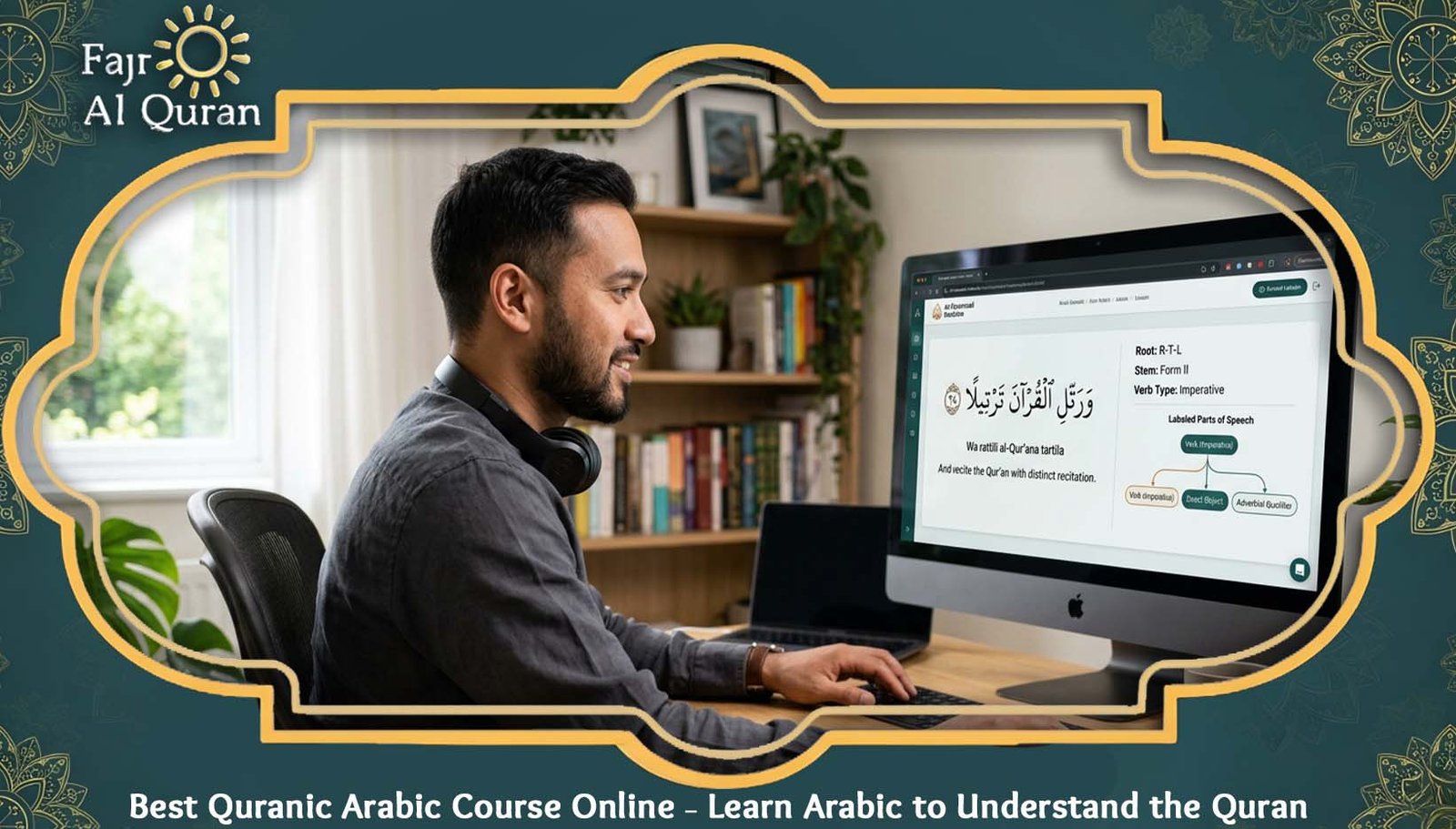
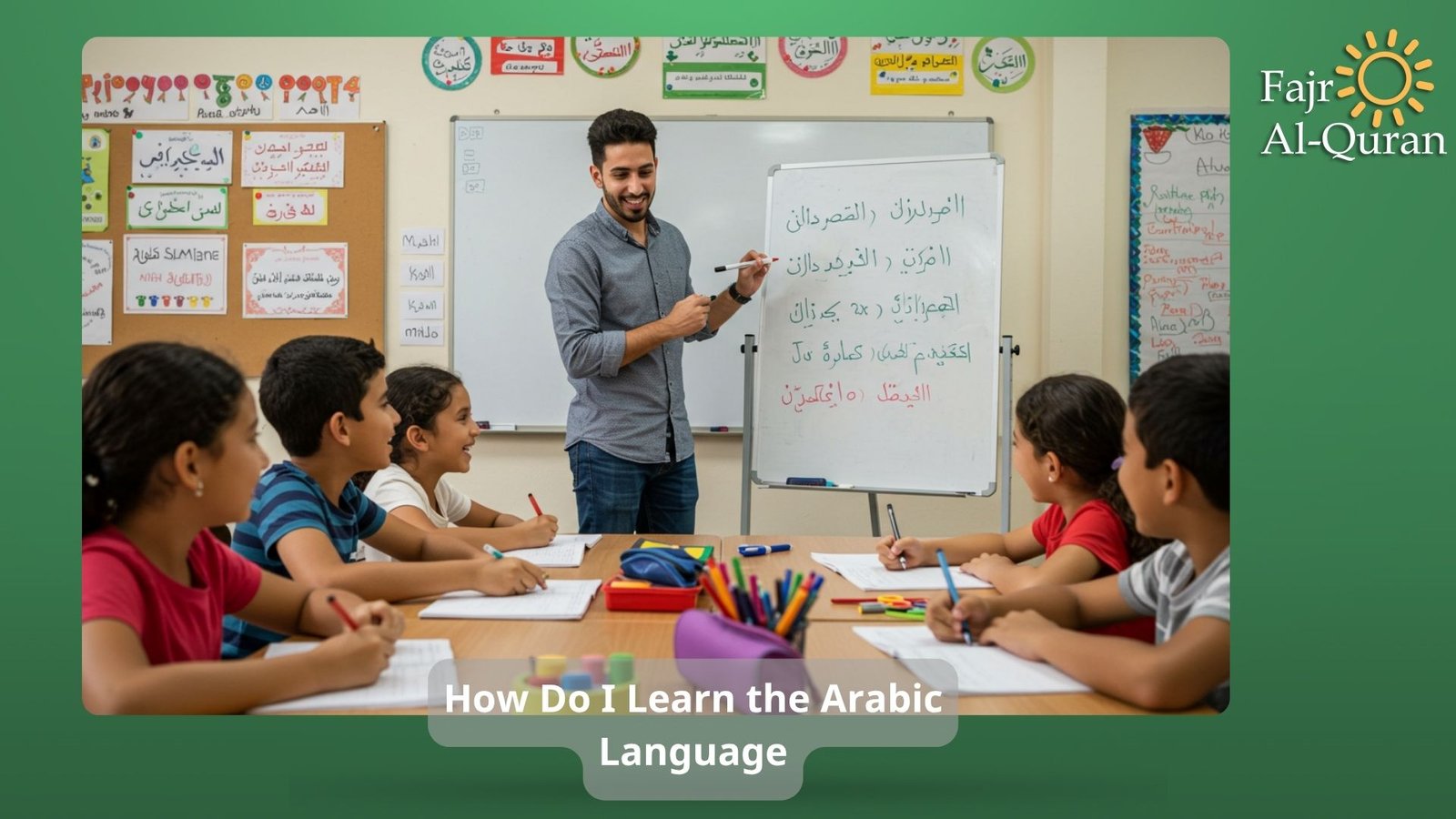
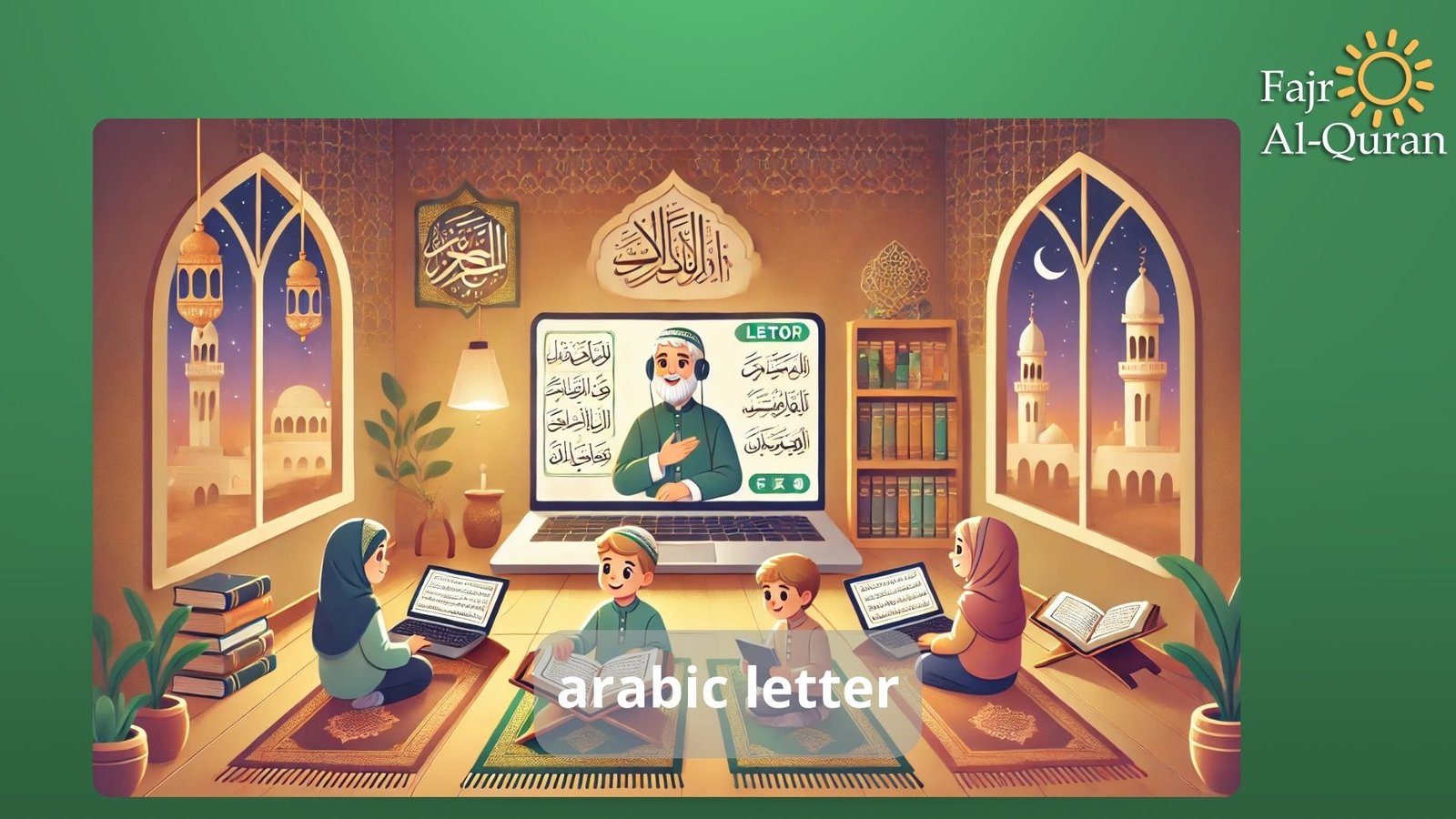
The best Arabic classes for beginners introduce foundational skills in Modern Standard Arabic (MSA), focusing on basic grammar, essential vocabulary, pronunciation, and everyday phrases. They follow the CEFR A1 level by using structured lessons, interactive exercises, contextual translations, and reading practice to build confidence. Platforms like Fajr Al-Quran Academy offer beginner-friendly courses with progressive content tailored for learners with no prior knowledge. Online Arabic classes for beginners help students grasp sentence structure, common expressions, and cultural context, setting a strong base for further language development.
Arabic classes for beginners provide a structured way to learn the Arabic language from the basics. Instead of trying to memorize everything at once, learners can study letters, pronunciation, vocabulary, grammar, reading, writing, and speaking step by step.
Online Arabic classes for beginners are available for kids, adults, new Muslims, and learners from different backgrounds. These classes can be adapted to different learning goals. Some students want to understand everyday conversations. Others want to study Modern Standard Arabic. New Muslims may want to understand Islamic texts and the Quran. Whatever your goal, a suitable beginner Arabic course can give you a strong foundation.
Fajr Al-Quran Academy offers structured Arabic classes for beginners with experienced tutors and flexible online lessons. The focus is on helping learners understand Arabic, improve pronunciation, build vocabulary, and develop practical communication skills.
If you want to learn Arabic online, choosing the right course can make your learning journey easier, more organized, and more enjoyable.
What Are Arabic Classes for Beginners?
Arabic classes for beginners are lessons designed for students who have little or no previous knowledge of the Arabic language. They introduce the essential skills needed to understand, read, write, and speak Arabic. A good beginner program does not assume that students already know the alphabet or basic grammar.
The first stage usually introduces the Arabic alphabet and correct pronunciation. Students learn how Arabic letters look and sound. They also learn how letters change their form depending on their position in a word. This foundation is important for anyone who wants to learn Arabic correctly.
Modern online arabic classes can also include vocabulary, simple phrases, sentence formation, and basic arabic grammar. Students gradually move from individual letters to words and then to complete sentences. This makes arabic for beginners easier to understand.
The best Arabic classes for beginners are practical as well as educational. They give learners opportunities to listen, read, write, speak, and practice. Some programs also introduce Modern Standard Arabic, which is useful for formal communication, reading, media, and educational study.
At Fajr Al-Quran Academy, Arabic classes for beginners can provide a structured learning path. Students can study with tutors who explain difficult topics in simple language. Lessons can be personalized according to age, ability, and learning goals.
For beginners, a well-planned arabic course for beginners can turn a difficult subject into a manageable journey. It helps learners build confidence before moving to intermediate and advanced Arabic courses.

How to Learn Arabic Step by Step as a Beginner
The best way to learn Arabic is to follow a clear learning path. Trying to study advanced grammar before learning basic words can create confusion. Arabic classes for beginners should therefore introduce each skill at the right level.
The first step is learning the Arabic alphabet. Students should become familiar with each letter and its correct sound. The next step is understanding short vowels and other basic pronunciation marks. Once learners can recognize letters, they can begin reading simple words.
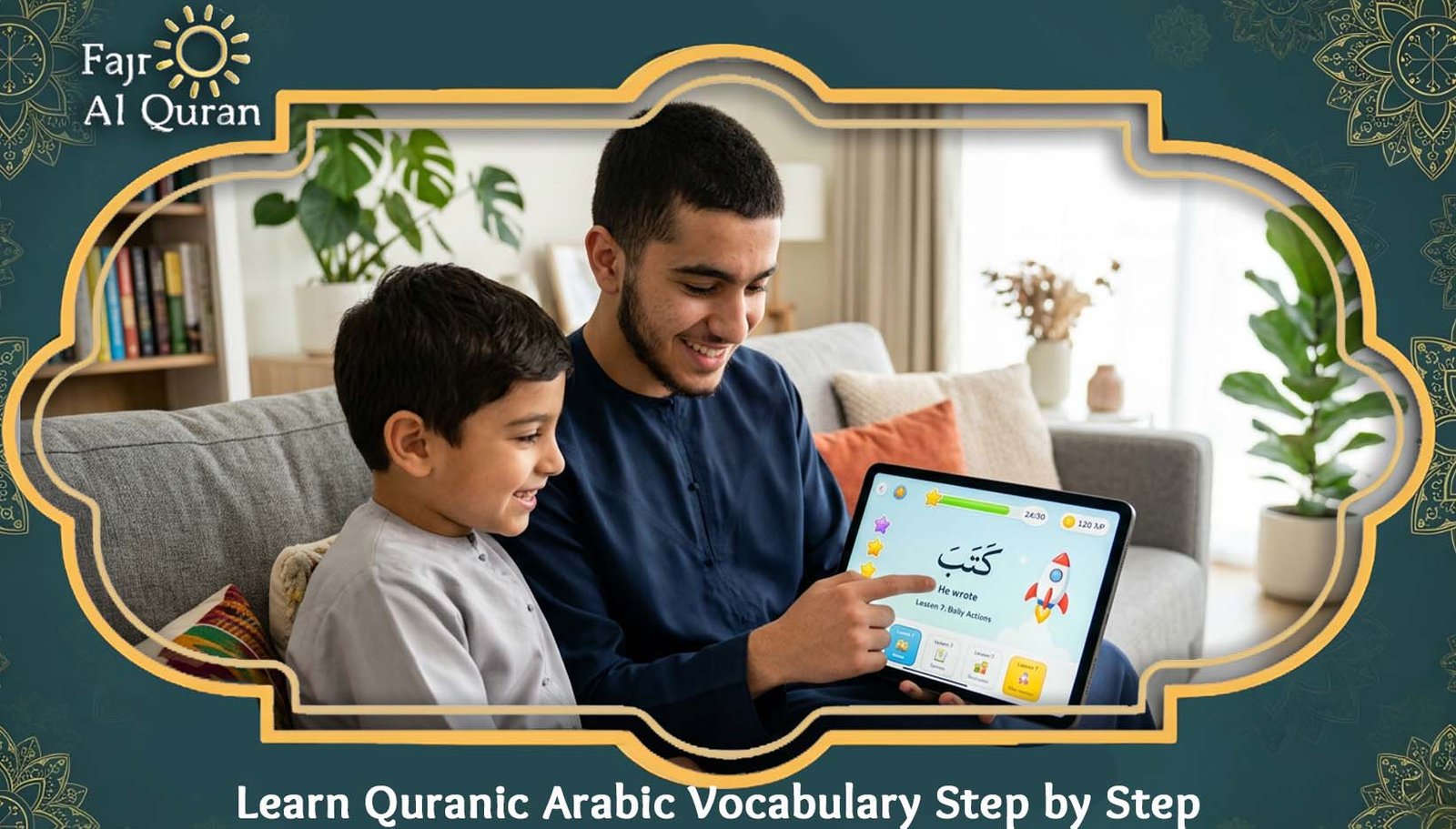
The third stage focuses on vocabulary. Beginners can start with common words related to family, food, school, home, time, and everyday activities. These words can then be used in short sentences.
The fourth stage introduces arabic grammar. Students learn basic concepts such as nouns, verbs, pronouns, gender, singular and plural forms, and simple sentence structures. Later, they can explore more detailed arabic morphology topics.
The fifth stage focuses on speaking. Learners practice useful phrases and short conversations. This helps them move from memorizing vocabulary to using Arabic naturally.
A successful learning journey may look like this:
- Learn letters and pronunciation.
- Build essential vocabulary.
- Practice reading and writing.
- Study basic grammar.
- Create simple sentences.
- Practice listening and speaking.
- Review regularly and gradually increase difficulty.
These steps make Arabic classes for beginners more effective. They also help students avoid feeling overwhelmed. With regular practice, learning Arabic becomes a steady process rather than a stressful task.
Learn Arabic Classes for Beginners Online with Expert Teachers
A qualified teacher can make a major difference when you learn Arabic online. Books and apps can introduce vocabulary, but a teacher can identify mistakes and explain difficult concepts. This is especially important for pronunciation and grammar.
Arabic classes for beginners with expert tutors allow students to ask questions during live lessons. The teacher can correct pronunciation, explain new words, and provide examples based on the student’s level. This creates a more personal learning experience.
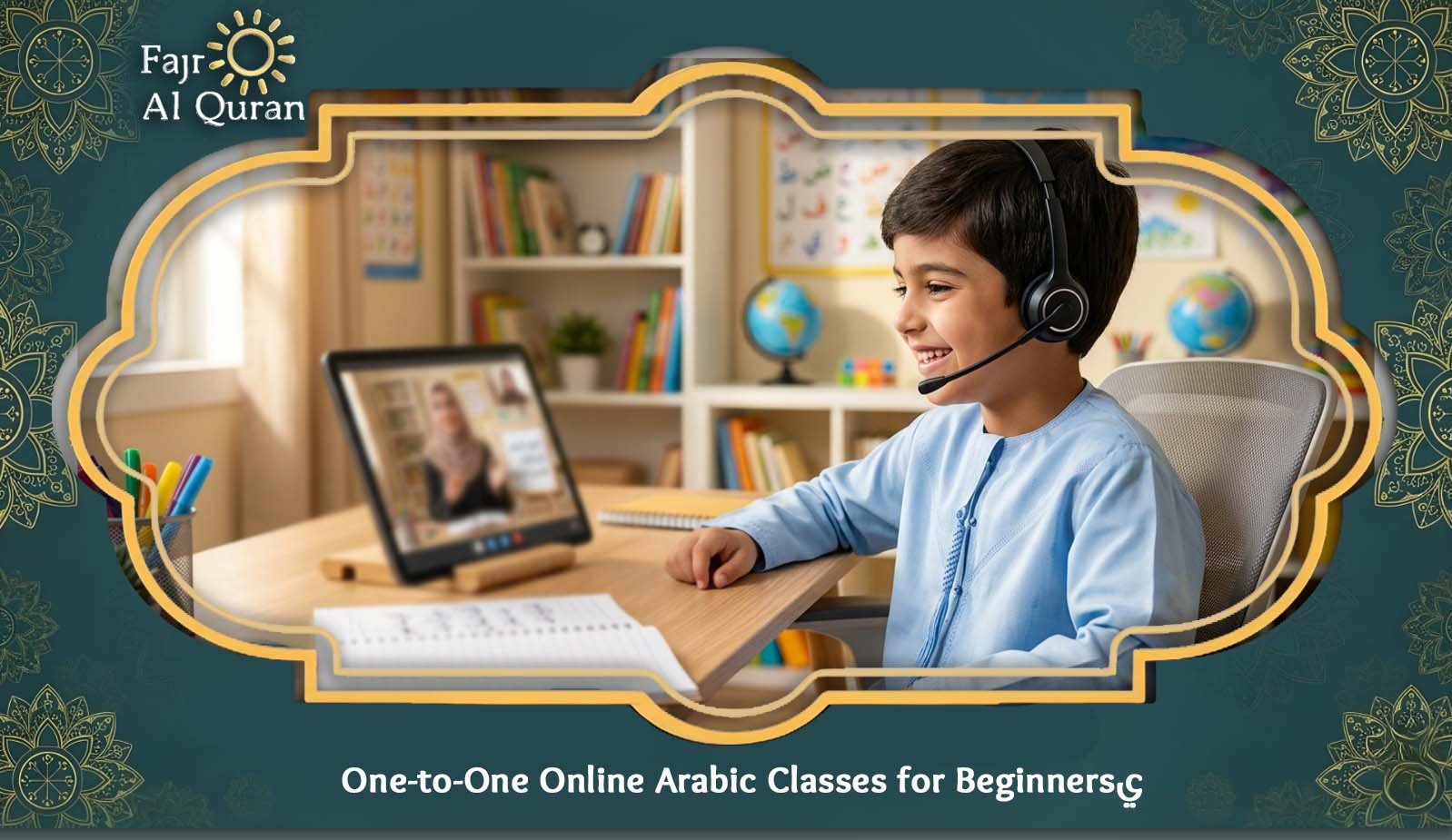
At Fajr Al-Quran Academy, online Arabic classes for beginners are designed to make Arabic learning accessible from home. Students can learn with tutors through live lessons without needing to travel to a physical classroom.
Expert teachers can also adapt lessons for different learners. Kids may need fun and engaging activities. Adults may prefer practical conversations. New Muslims may want to focus on Quranic vocabulary and Islamic expressions. Each learner can benefit from a personalized approach.
Good Arabic classes for beginners also encourage students to practice between lessons. A teacher may recommend reading exercises, vocabulary review, audio practice, or simple speaking tasks.
The goal is not simply to complete an arabic course for beginners. The goal is to develop useful language skills. Students should gradually become able to understand simple Arabic, form sentences, read basic texts, and communicate with greater confidence.
With the right teacher and regular practice, arabic online learning can become an enjoyable part of your daily routine.
Learn Arabic Alphabet and Pronunciation Online
Learning the Arabic alphabet is one of the most important stages for beginners. Arabic contains letters that may look and sound unfamiliar to English speakers and learners of other languages. Proper instruction makes these letters much easier to understand.
Arabic classes for beginners normally start by introducing the letters one at a time. Students learn each letter’s name, shape, and sound. They also learn how letters connect when they appear within Arabic words.
Pronunciation deserves special attention. Some Arabic sounds do not have direct equivalents in English. A trained tutor can explain how to produce these sounds correctly. Students can listen to the teacher and repeat the sounds until their pronunciation improves.
After learning individual letters, students can practice short vowels and simple combinations. They can then begin reading short words. This step creates an important connection between seeing Arabic and actually understanding how it sounds.
Online Arabic classes for beginners can make alphabet practice interactive. Teachers can use screen sharing, digital whiteboards, audio examples, and reading exercises. Students can receive immediate correction instead of practicing mistakes repeatedly.
For children, alphabet lessons can include games and engaging activities. Adults can benefit from focused reading drills and pronunciation practice. New Muslims can also connect alphabet learning with Quranic reading.
A strong foundation in the alphabet helps students progress faster through future arabic courses. Once learners can confidently recognize letters and sounds, they are ready to develop reading, writing, vocabulary, and speaking skills.
This is why Arabic classes for beginners should never rush through the alphabet. Strong basics make the rest of the language journey easier.

Arabic Reading and Writing Classes for Beginners
Reading and writing are essential parts of Arabic classes for beginners. Students need to recognize Arabic words before they can confidently understand texts or communicate through written language.
Arabic reading begins with letters and simple combinations. Students gradually learn how letters connect and how vowel marks affect pronunciation. With regular practice, they can move from isolated letters to words, phrases, and sentences.
Writing follows a similar progression. Beginners first practice individual letters. They then learn how to connect them correctly. Later, they write words and short sentences. This gradual approach helps learners develop accuracy and confidence.
Online Arabic classes for beginners can provide useful writing practice through digital lessons. Tutors can show students how Arabic letters are formed and correct common mistakes. Students can also read aloud during live lessons.
Reading practice should include simple vocabulary. Learners can read words related to daily life and then use them in sentences. This makes reading more meaningful and supports vocabulary development at the same time.
For students studying Quranic Arabic, reading practice can also help them become more comfortable with Arabic script. However, Quranic reading and general Arabic should be taught according to the learner’s specific goals.
The best Arabic classes for beginners balance reading and writing instead of focusing on only one skill. Students should learn to recognize words, understand simple sentences, and write basic expressions.
With consistent practice, learners can progress from simple words to longer texts. This creates a strong foundation for future online arabic courses and more advanced study.
Learn Basic Arabic Grammar and Vocabulary
Grammar and vocabulary are two essential parts of Arabic classes for beginners. Vocabulary gives students the words they need to communicate. Grammar teaches them how to put those words together correctly.
Beginners should start with practical vocabulary. Common nouns, verbs, adjectives, numbers, greetings, family words, and everyday expressions are useful starting points. Learning words in context makes them easier to remember.
Next comes basic Arabic grammar. Students can learn simple sentence patterns, pronouns, gender, singular and plural forms, demonstratives, and common verb structures. These topics help learners create their own sentences.
A good teacher explains grammar through examples rather than long theoretical explanations. For example, students can learn a grammar rule and then use it in several simple sentences. This approach makes grammar more practical.
Some learners may also want to study Modern Standard Arabic. It is useful for formal communication, books, news, education, and many written materials. Other learners may have a stronger interest in spoken Arabic and real conversations.
The best Arabic classes for beginners can help students understand these differences. They can guide learners toward the type of Arabic that matches their goals.
When vocabulary and grammar are studied together, students begin to understand how the language works. This makes learning Arabic more natural and helps beginners progress toward confident communication.
Quranic Arabic Classes for Beginners
Many students choose Arabic classes for beginners because they want to understand the Quran more deeply. Quran and Arabic classes focus on the language and vocabulary used in the Quran. It can help learners recognize common words and understand basic meanings.
For new Muslims, Quranic Arabic can be a meaningful part of their learning journey. It provides an opportunity to connect language study with Islamic knowledge. However, beginners still need a strong foundation before studying complex Arabic texts.
Quranic Arabic classes for beginners may introduce common Quranic vocabulary, simple sentence structures, pronouns, verbs, and selected grammar concepts. Teachers can explain words in context so students understand how their meanings work within verses.
Students who already know the alphabet can progress more quickly. Those who are complete beginners may first need general Arabic classes for beginners that focus on reading and pronunciation.
Fajr Al-Quran Academy can be a useful learning environment for students who want to combine Arabic study with Quranic learning. Experienced tutors can help learners build their language skills while keeping lessons suitable for their level.
Quranic Arabic is different from learning everyday spoken Arabic. Some students may eventually want both. They can study Quranic vocabulary while also practicing common phrases and conversations.
The goal of Arabic classes for beginners is to create a strong foundation. Students should gradually develop the ability to read Arabic, recognize vocabulary, understand basic grammar, and appreciate the structure of Quranic language.
With patience and consistent study, learners can make meaningful progress. Even learning a small number of Arabic words can make Quran study more engaging and rewarding.

Interactive Arabic Lessons for Fast and Easy Learning
Traditional memorization alone is not always enough to learn Arabic effectively. Students need opportunities to use what they learn. This is why interactive Arabic classes for beginners can be so valuable.
Interactive lessons involve students directly. Instead of simply listening to a teacher, learners answer questions, read sentences, repeat vocabulary, complete exercises, and practice conversations.
Online Arabic classes for beginners can use live audio, shared screens, digital activities, reading exercises, and speaking practice. These tools make lessons more engaging. They can also help students stay focused.
Speaking activities are especially useful. Students can practice greetings, introductions, simple questions, daily expressions, and short conversations. Over time, these exercises can help learners move toward real conversational Arabic.
Listening is equally important. Students should hear Arabic regularly. Audio practice helps them recognize words when they are spoken at normal speed. It also improves pronunciation and listening confidence.
Interactive Arabic classes for beginners can be especially helpful for kids. Fun activities can make lessons feel less like traditional schoolwork. Adults can benefit from practical role-playing and conversation exercises.
Students should also practice outside class. A few minutes of daily review can help reinforce new vocabulary and grammar. Reading simple sentences, listening to Arabic audio, and speaking aloud can all support progress.
The strongest Arabic classes for beginners combine explanation with practice. They help students understand a topic and then use it immediately.
This practical approach makes online Arabic classes for beginners more engaging. It also gives learners the confidence to use Arabic beyond the classroom.
Flexible Arabic Classes for Beginners from Home
One of the biggest advantages of Arabic classes for beginners online is flexibility. Students can learn from home without traveling to a classroom. This is especially useful for busy adults, parents, children, and new Muslims.
Online Arabic classes for beginners can fit different schedules. Students may be able to choose lesson times that work around school, work, family responsibilities, or other studies. This flexibility makes regular learning easier.
For parents, online learning can provide a convenient way for children to study Arabic from home. Parents can also monitor lessons and help children maintain a consistent routine.
Adults can benefit in the same way. A busy professional may not have time to attend a physical academy. With arabic online lessons, the student can study at a convenient time and continue making progress.
Flexible learning does not mean less structure. The best Arabic classes for beginners still follow a clear curriculum. Students should have defined learning goals, regular lessons, practice tasks, and progress checks.
Fajr Al-Quran Academy provides online learning opportunities that can help students study Arabic without geographical limitations. Learners from different locations can connect with qualified tutors through live lessons.
Online learning can also provide a comfortable environment. Students can study from a quiet space at home and focus on their lessons. This can be particularly helpful for beginners who feel nervous about speaking a new language.
With consistent attendance and daily practice, online Arabic classes for beginners can become a practical part of a learner’s routine. The journey may take time, but steady progress is more important than rushing.
How to Choose the Best Arabic Classes for Beginners Online
Choosing the right Arabic classes for beginners is an important decision. Not every course is designed for complete beginners. Before enrolling, students should consider the curriculum, teachers, lesson format, flexibility, and learning goals.
First, check whether the course genuinely starts from the basics. A good Arabic course for beginners should explain the alphabet, pronunciation, reading, vocabulary, and basic grammar clearly. It should not assume previous knowledge.
Second, look at the teachers. Qualified and experienced tutors can make difficult topics easier. They should be able to explain Arabic in simple language and provide helpful corrections.
Third, consider the lesson format. Live online Arabic classes for beginners are useful because students can communicate directly with teachers. They can ask questions and receive immediate feedback.
Fourth, examine the curriculum. A complete program should cover important skills such as reading, writing, listening, speaking, vocabulary, and Arabic grammar. Students interested in advanced study can later explore Arabic morphology topics and Modern Standard Arabic.
Fifth, consider flexibility. Online learning works best when lesson times fit your schedule. A flexible academy can make it easier to maintain consistent study habits.
Finally, think about your personal goals. Do you want to speak Arabic? Read Arabic books? Understand Quranic Arabic? Study Modern Standard Arabic? Or simply build basic language skills? Your answer will help you select the right program.
Fajr Al-Quran Academy is a strong option for learners looking for structured online Arabic classes for beginners. Its approach can support beginners, kids, adults, and new Muslims who want to build practical Arabic skills.
The right Arabic classes for beginners should make you feel supported, not overwhelmed. Start with the basics, practice regularly, and increase your level step by step. With the right teacher and a consistent learning routine, you can move from complete beginner to a more confident Arabic learner.
Conclusion
Arabic classes for beginners are designed to take learners from the alphabet and basic pronunciation to vocabulary, grammar, reading, writing, and speaking.
For beginners, online learning provides a convenient way to study from home. Online Arabic classes for beginners can offer live instruction, personalized feedback, interactive activities, and flexible schedules.
If your goal is to understand Quranic Arabic, communicate in everyday situations, or study Modern Standard Arabic, starting with a structured beginner program is a smart choice. Fajr Al-Quran Academy can help you build the essential skills you need for your Arabic journey.
Do not wait until you feel completely ready. Start your Arabic journey with simple lessons, practice consistently, and give yourself time to improve. The right Arabic classes for beginners can help you learn with confidence and take your first meaningful steps toward Arabic fluency.