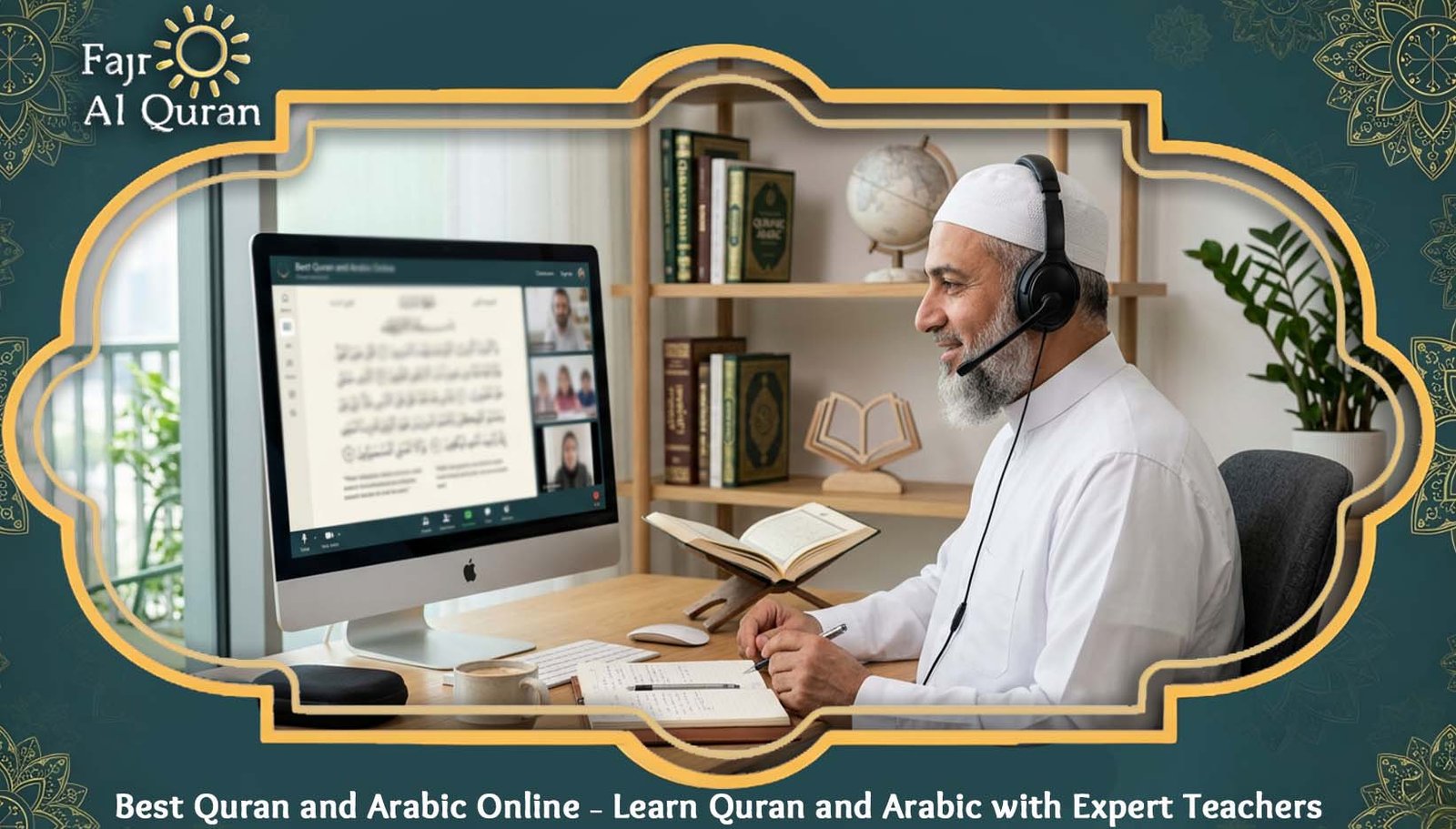
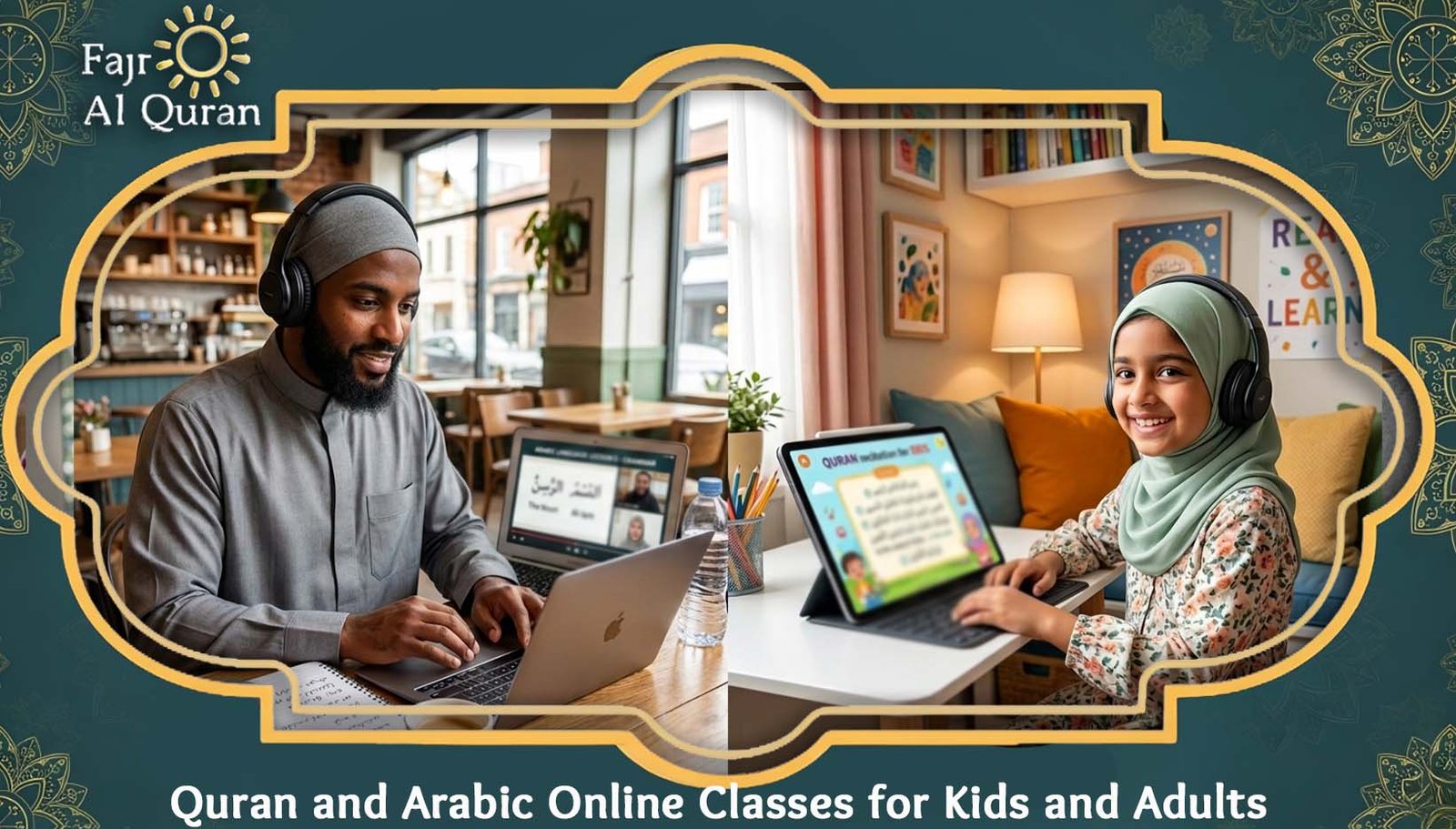
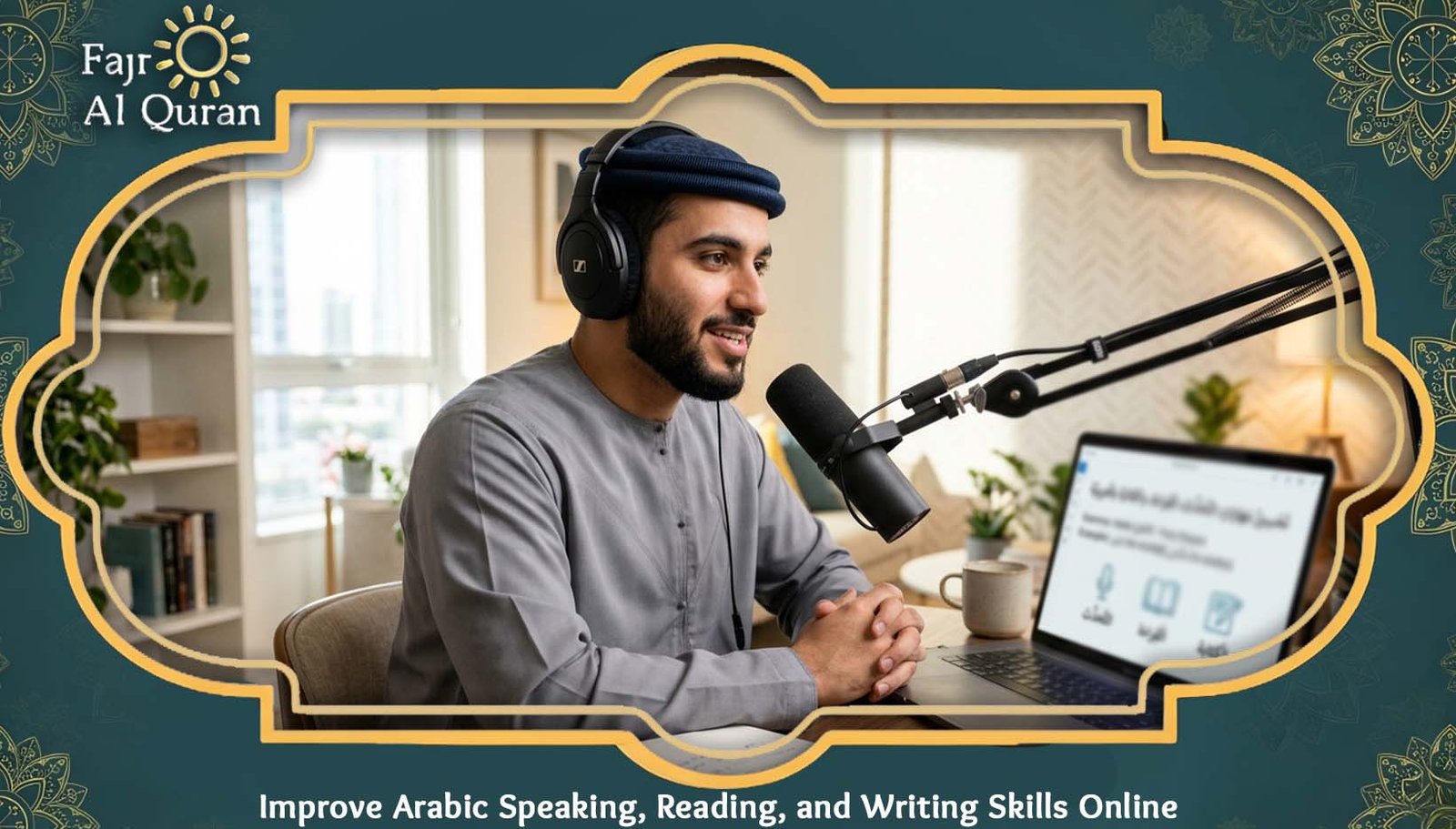
The best Islamic education is a holistic system that integrates intellectual, spiritual, and physical development, grounded in the Quran and the Sunnah. Its primary goal is to nurture well-rounded individuals who uphold moral character, deep faith, and civic responsibility. The curriculum spans religious sciences, rational sciences, and character building.
Islamic education is more than learning facts about religion. It is a lifelong journey that helps Muslims strengthen their relationship with Allah, understand the teachings of the Quran and Sunnah, and develop strong moral character. Many families are seeking flexible ways to provide quality Islamic education for themselves and their children. Online learning has made this easier than ever before.
Whether you are a beginner, a parent looking for the best Islamic education for your child, or an adult hoping to deepen your knowledge, online classes offer a practical solution. Students can learn from qualified teachers without leaving home. They can study at their own pace while receiving personal guidance. This modern approach combines traditional Islamic studies with interactive technology, making learning enjoyable for learners of all ages.
One of the leading platforms in this field is Fajr Al-Quran Academy. The academy provides comprehensive Islamic education through experienced teachers, structured lessons, and flexible schedules. Students can explore the Quran, Hadith, Islamic Fiqh, Seerah, and other essential subjects in a supportive environment.
In this complete guide, you will discover what Islamic education is, why it matters, its core principles, different learning options, and how to choose the best course or academy. By the end, you will understand how Islamic education can enrich both your spiritual and intellectual development, helping you live in accordance with authentic Islamic teachings in the modern world.
What Is Islamic Education?
Islamic education is a comprehensive system of learning that teaches Muslims how to worship Allah, develop good character, and live in accordance with the guidance of the Quran and the Sunnah of the Prophet Muhammad (peace be upon him). It combines religious understanding with practical life lessons so that every Muslim can apply Islamic teachings in daily life.
Unlike ordinary education, Islamic education focuses on both the heart and the mind. It encourages students to increase their knowledge, strengthen their faith, and develop excellent manners. The goal is not simply to memorize information but to understand it and practice it consistently.
Traditional Islamic studies usually include subjects such as:
- Quran reading and memorization
- Tajweed rules
- Hadith studies
- Seerah of the Prophet
- Fiqh (Islamic jurisprudence)
- Aqeedah (Islamic creed)
- Daily duas and Islamic manners
Islamic education has expanded beyond traditional schools. Online academies allow students from around the world to access qualified teachers through live classes. This has made quality Islamic education available to children, adults, and new Muslims regardless of where they live.
A trusted academy like Fajr Al-Quran Academy combines authentic teaching methods with modern technology. Students receive structured lessons, regular assessments, and one-on-one support from experienced instructors.
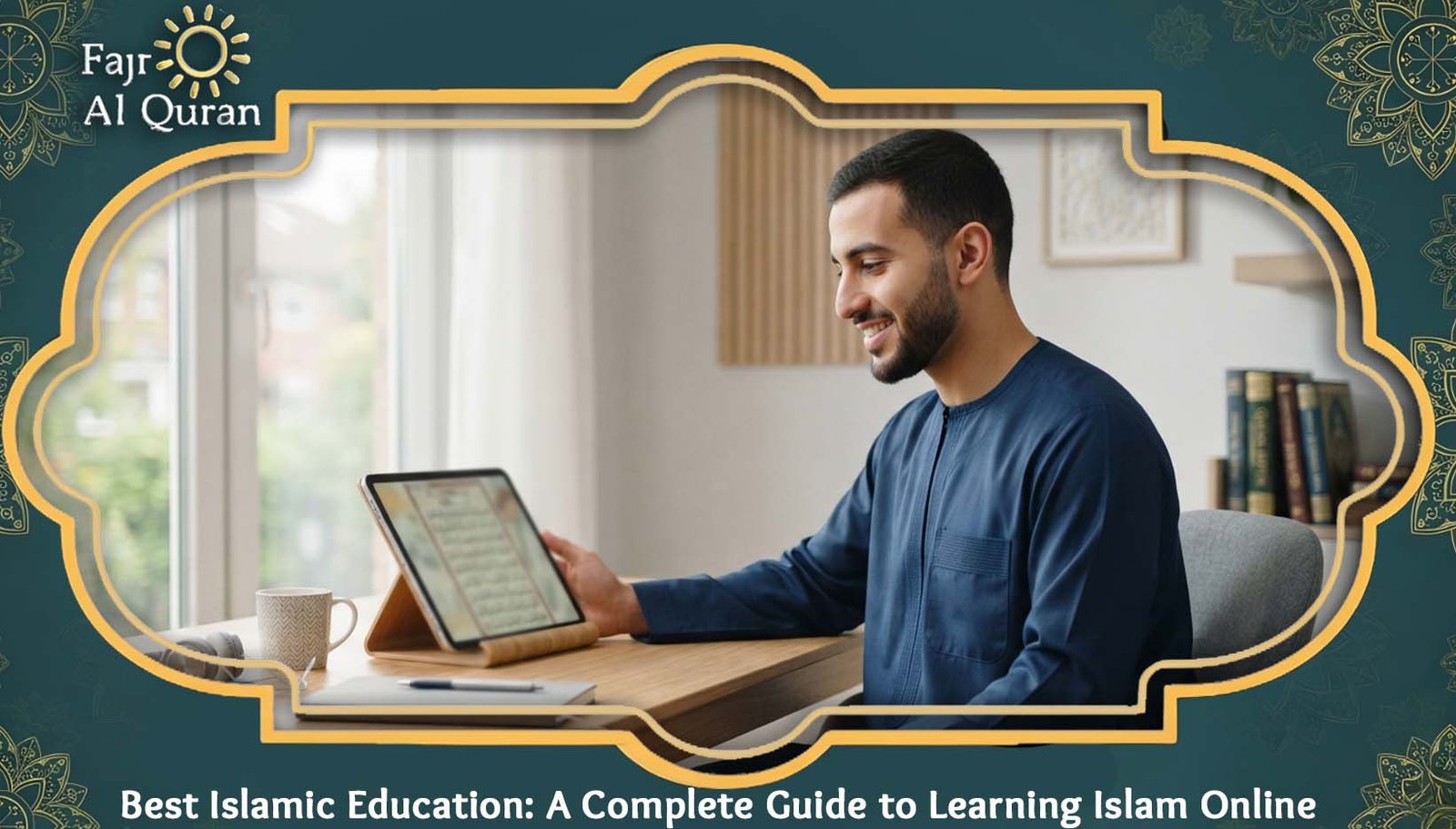
Importance of Islamic Education for Muslims
The importance of Islamic education cannot be overstated. It shapes a Muslim’s beliefs, actions, and character while guiding every stage of life. Without authentic Islamic education, it becomes difficult to distinguish correct teachings from misinformation.
One of the greatest benefits of Islamic education is that it strengthens faith. When Muslims understand the Quran and the Sunnah, they worship with greater sincerity and confidence. Every lesson increases their connection with Allah and encourages them to follow the example of the Prophet.
Islamic education also plays an essential role in building strong families. Parents who possess sound knowledge can teach Islamic manners, honesty, kindness, and respect to their children. This creates a positive home environment where Islamic values are practiced every day.
Another benefit is intellectual development. Islam encourages Muslims to think, reflect, ask questions, and seek beneficial knowledge. Throughout history, Muslim scholars contributed to many sciences, including medicine, mathematics, astronomy, and philosophy. Their achievements demonstrate how Islam values education and encourages excellence in both religious and worldly fields.
The benefits of Islamic education include:
- Building stronger faith and trust in Allah
- Understanding the Quran correctly
- Following the authentic Sunnah
- Developing excellent character
- Making ethical decisions
- Strengthening family relationships
- Encouraging lifelong learning
- Preparing children for positive leadership
Institutions such as Fajr Al-Quran Academy make these benefits accessible through flexible online programs. Students receive structured Islamic studies, interactive lessons, and personal support from qualified teachers.
Ultimately, Islamic education is not only about gaining information. It transforms lives by nurturing the mind, heart, and soul. It equips Muslims with the knowledge, values, and confidence they need to worship Allah correctly and contribute positively to society.
What Are the Basic Principles of Islamic Education?
The foundation of Islamic Education is built upon timeless principles that guide every Muslim toward a balanced and meaningful life. These principles are taken directly from the Quran, the Sunnah, and the teachings of respected scholars. They help students gain authentic knowledge, strengthen their faith, and develop strong moral character.
The first principle is Tawheed, the belief in the oneness of Allah. Every aspect of Islamic Education begins with understanding who Allah is and why He alone deserves worship. This belief shapes a Muslim’s thoughts, actions, and purpose in life.
The second principle is seeking authentic knowledge. Islam encourages every Muslim to learn throughout life. The first revelation to the Prophet Muhammad (peace be upon him) began with the command to read, highlighting how deeply Islam values education. Seeking beneficial knowledge is considered an act of worship and a means of drawing closer to Allah.
A balanced curriculum is another important feature. High-quality Islamic studies combine belief, worship, ethics, history, and daily life skills. Students do not only study religious texts. They also understand how Islamic teachings can guide them in family life, work, business, and community service.
The core principles of Islamic Education include:
- Belief in the oneness of Allah (Tawheed)
- Following the Quran and authentic Sunnah
- Seeking authentic knowledge
- Building strong Islamic values
- Developing good manners and character
- Continuous spiritual and intellectual development
- Practicing what is learned every day
- Respecting teachers, parents, and fellow learners
Leading institutions such as Fajr Al-Quran Academy build their courses around these principles. Students receive a structured educational experience that helps them grow academically, morally, and spiritually. Every lesson encourages learners to explore Islam with understanding rather than simple memorization.
Types of Islamic Education
One of the strengths of Islamic Education is its flexibility. Every learner has different goals, ages, and learning styles. As a result, there are many types of programs available today. Whether someone wants to memorize the Quran, improve their understanding of Islam, or simply learn daily duas, there is a suitable course for every stage of life.
The most common form is Quran education. Students learn to read the Quran correctly, improve their pronunciation through Tajweed, and understand the meanings of selected verses. Many learners also continue toward Quran memorization.
Also, an important area is Islamic studies. Islamic courses cover Aqeedah, Fiqh, Hadith, Seerah, Islamic manners, and the lives of the companions. Together, these subjects provide a complete understanding of Islam.
Some students prefer specialized programs that focus on a single subject. Others choose comprehensive courses that combine several branches of Islamic Education into one structured curriculum.
Common types of Islamic Education include:
- Quran reading with Tajweed
- Quran memorization (Hifz)
- Tafsir (Quran explanation)
- Hadith studies
- Seerah of the Prophet
- Fiqh and daily worship
- Aqeedah (Islamic beliefs)
- Arabic language learning
- Islamic manners and values education
- Family and parenting education based on Islamic teachings
Fajr Al-Quran Academy offers a wide series of online courses designed for learners worldwide. Every program follows authentic Islamic sources while using modern teaching methods that make learning simple and engaging. Students receive clear lesson plans, regular progress reports, and continuous teacher support.
The availability of different programs makes Islamic Education accessible for busy professionals, university students, children, and entire families. Regardless of age or experience, everyone can find a course that helps them grow in both knowledge and faith.
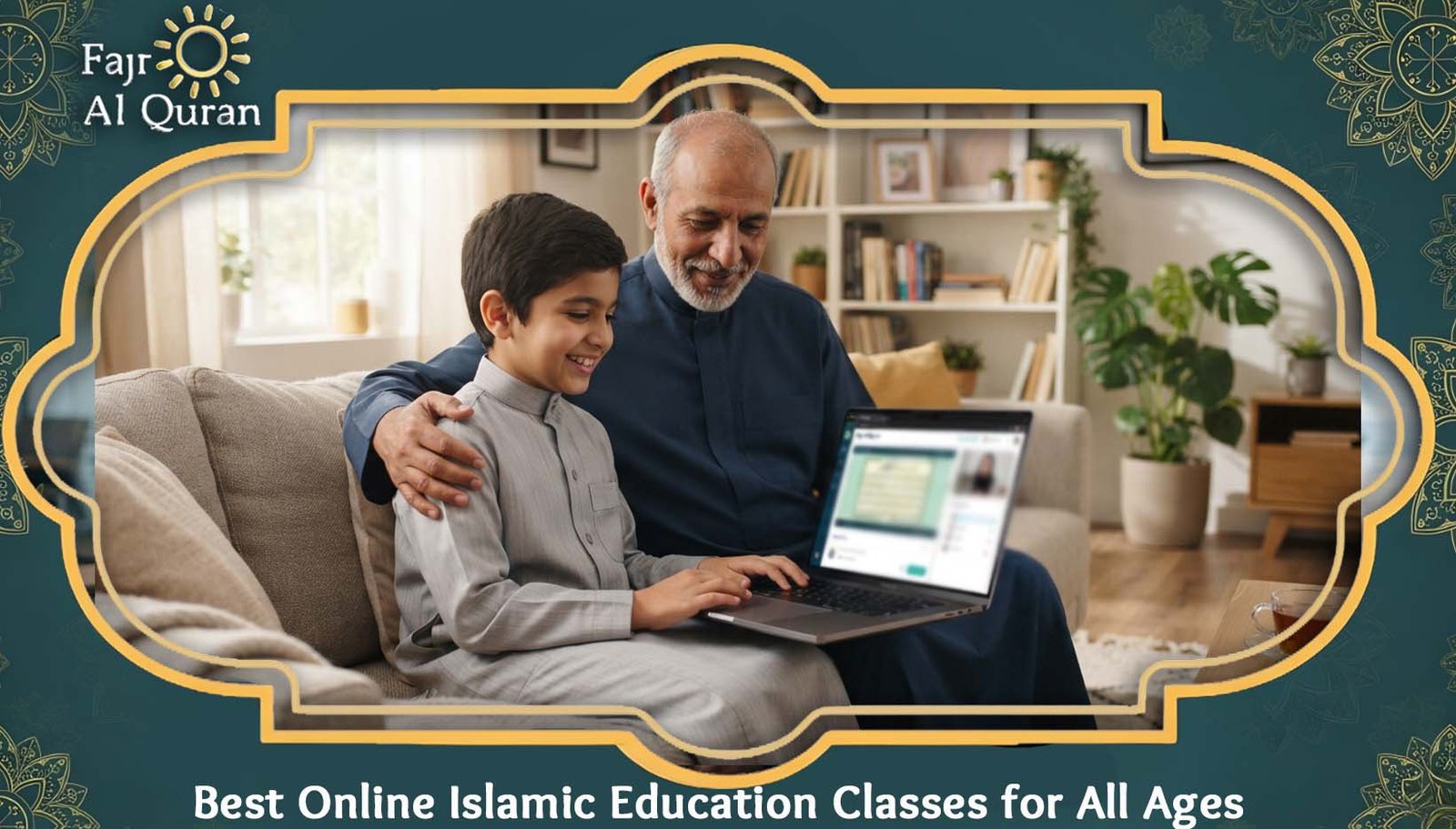
Best Online Islamic Education Classes for All Ages
Online Islamic Education has transformed the way Muslims learn. Students no longer need to travel long distances to attend lessons. Instead, they can join live classes from home while learning directly from qualified teachers. This convenience has made Islamic Education more accessible than ever before.
A high-quality online course combines authentic Islamic studies with interactive teaching methods. Lessons should be engaging, easy to understand, and suitable for the learner’s age and experience. Flexible scheduling also allows students to continue their studies without interrupting work or school commitments.
The best online classes usually include:
- Live one-to-one sessions
- Experienced male and female teachers
- Personalized lesson plans
- Regular assessments
- Flexible class timings
- Progress tracking
- Interactive activities for children
- Certificates upon course completion
Children benefit from colorful presentations, games, and storytelling that make learning enjoyable. Teenagers receive lessons that connect Islamic teachings to real-life challenges. Adults appreciate practical discussions that help them strengthen their faith while balancing family and career responsibilities.
Among today’s leading online academies, Fajr Al-Quran Academy stands out for its commitment to quality Islamic Education. The academy offers courses in Quran reading, Tajweed, memorization, Arabic, and comprehensive Islamic studies. Its qualified instructors create a welcoming environment where every student feels supported.
As online Islamic education continues to improve, it will play an even greater role in helping Muslims around the world access authentic knowledge. It combines the wisdom of traditional scholarship with the convenience of modern education, allowing students to deepen their understanding of Islam wherever they live.
How to Choose the Right Islamic Education Course
Choosing the right Islamic Education course is one of the most important decisions you can make for your religious growth. A well-designed course will help you gain authentic knowledge, strengthen your faith, and build a lifelong habit of learning. With so many online options available today, it is essential to know what makes one program stand out from another.
Start by identifying your goals. Do you want to learn Quran recitation, improve your Tajweed, study the Seerah of the Prophet, or complete comprehensive Islamic studies? Your objective will help you select a course that matches your current level and future aspirations.
Next, review the curriculum carefully. A high-quality Islamic Education program should be based on the Quran and authentic Sunnah. It should cover essential topics in a logical order so that students build their understanding step by step instead of feeling overwhelmed.
Consider these factors before enrolling:
- A curriculum based on the Quran and Sunnah
- Qualified and experienced teachers
- Live interactive classes
- Flexible scheduling for busy learners
- Individual attention and feedback
- Regular assessments and progress reports
- Age-appropriate teaching methods
- Positive student reviews and testimonials
Fajr Al-Quran Academy is an excellent example of a trusted provider of Islamic Education. The academy offers structured courses for beginners and advanced learners alike. Each program is designed to make learning simple while maintaining the highest standards of authenticity. Students benefit from personalized lesson plans, experienced instructors, and flexible class schedules that fit modern lifestyles.
The Role of Qualified Islamic Teachers in Online Learning
Teachers have always held a special place in Islamic Education. Throughout every century, scholars preserved authentic Islamic knowledge by teaching the Quran, explaining the Sunnah, and mentoring their students with wisdom and sincerity. Today, online learning continues this noble tradition through qualified instructors who guide students across the world.
A knowledgeable teacher does much more than explain lessons. They correct mistakes, answer questions, encourage good manners, and help students understand how to apply Islamic teachings in daily life. Their guidance prevents misunderstandings and ensures that learners receive authentic information based on reliable sources.
Qualified teachers also inspire confidence. Beginners often feel nervous when starting Islamic Education, especially if they have little background in Islamic studies. An experienced teacher creates a welcoming environment where students can ask questions freely without fear of making mistakes.
Excellent online teachers possess several important qualities:
- Strong knowledge of the Quran and Sunnah
- Formal qualifications in Islamic studies
- Clear communication skills
- Patience and kindness
- Experience teaching different age groups
- Commitment to authentic Islamic teachings
- Ability to make lessons interactive and engaging
One of the advantages of studying with Fajr Al-Quran Academy is access to experienced instructors who understand the needs of children, teenagers, adults, and new Muslims. Every teacher follows a structured teaching approach while adapting lessons to each student’s pace and ability.
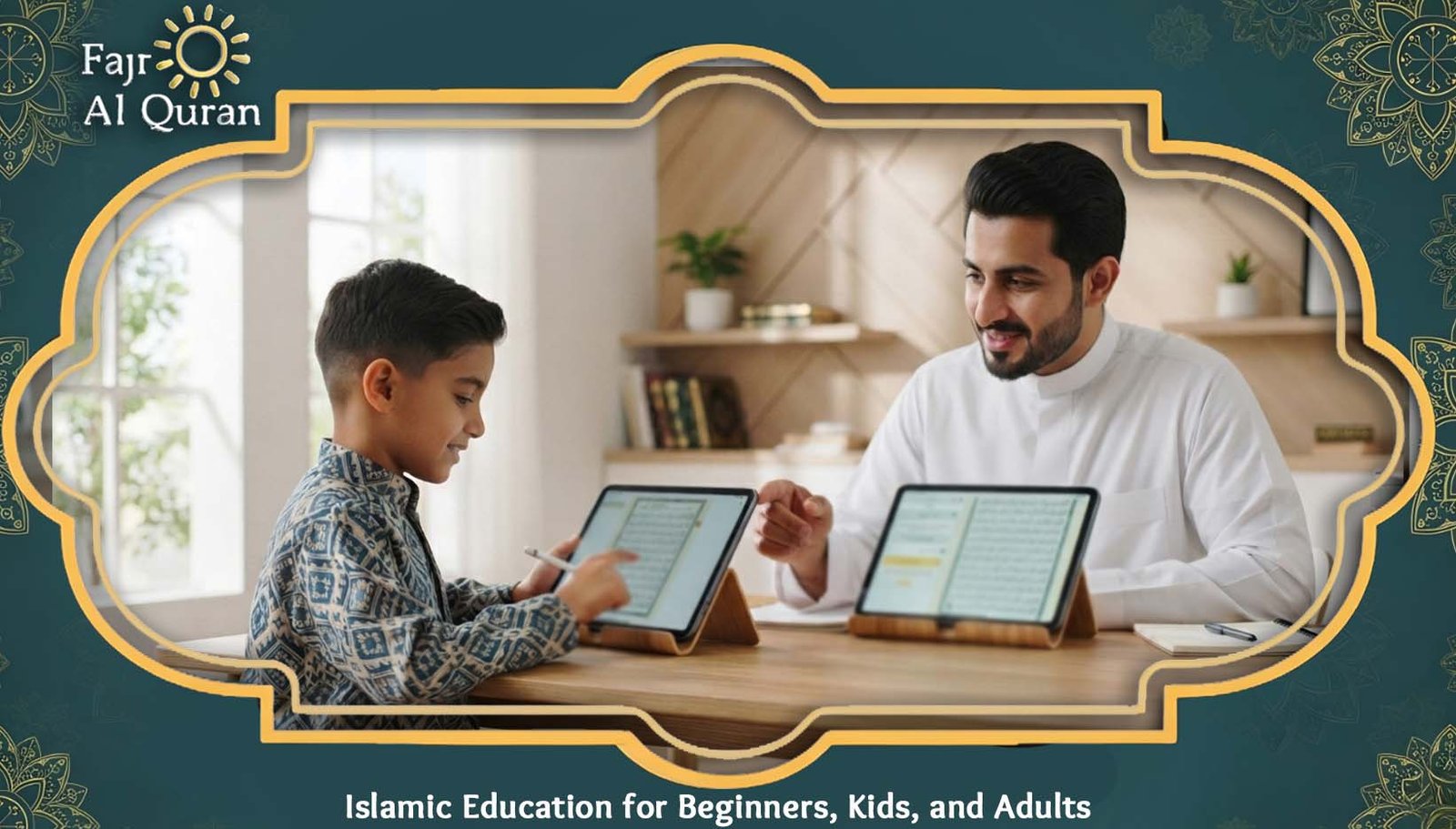
Islamic Education for Beginners, Kids, and Adults
One of the greatest strengths of Islamic Education is that it is suitable for everyone. Regardless of age or previous experience, every Muslim can continue to learn and strengthen their relationship with Allah. The methods may differ, but the goal remains the same: increasing knowledge, improving character, and living according to the teachings of Islam.
For beginners, Islamic Education should start with the essentials. Students learn how to read the Quran, understand basic beliefs, perform daily prayers correctly, and become familiar with the life of the Prophet Muhammad (peace be upon him). Simple lessons and patient guidance build confidence from the very beginning.
Children benefit from interactive teaching methods that make learning enjoyable. Stories from the Quran, educational games, visual presentations, and age-appropriate activities help young learners understand Islamic values while developing a love for their religion. Parents also play an important role by reinforcing lessons at home and creating a positive learning environment.
Teenagers often face unique challenges in today’s modern world. They need Islamic Education that answers real-life questions while helping them strengthen their identity and make wise decisions. Lessons that connect Islamic teachings to everyday situations prepare them for adulthood with confidence and wisdom.
Adults often return to study Islam after many years. Some wish to improve their Quran recitation, while others want deeper Islamic studies or a better understanding of family life, worship, and ethics. Flexible online classes make it easier for busy professionals and parents to continue learning without disrupting their daily responsibilities.
How to Choose the Best Islamic Education Center
Finding the right Islamic Education center is one of the most important steps in your learning journey. The quality of the academy you choose will influence your understanding of Islam, your connection with the Quran, and your overall spiritual and intellectual development. A trusted center should provide authentic knowledge, experienced teachers, and a welcoming environment where students of all ages can grow with confidence.
Start by looking at the academy’s curriculum. The best Islamic Education centers offer comprehensive Islamic studies based on the Quran and authentic Sunnah. Lessons should be organized in a logical sequence so students can build their understanding step by step. Whether you want to improve Quran recitation, memorize the Quran, study Hadith, or learn Islamic manners, the curriculum should be balanced and practical.
Teacher qualifications are equally important. Experienced instructors not only explain Islamic concepts clearly but also inspire students to continue learning. Their patience, professionalism, and commitment to authentic teachings make a lasting difference in every student’s educational experience.
When comparing different academies, consider the following points:
- A curriculum based on the Quran and authentic Sunnah
- Certified and experienced Islamic teachers
- Flexible online class schedules
- One-to-one and small-group learning options
- Courses for beginners, children, teenagers, and adults
- Regular progress reports and assessments
- Affordable tuition with excellent student support
- Positive reviews from students and families
Among today’s leading online academies, Fajr Al-Quran Academy has earned an excellent reputation for delivering high-quality Islamic Education to students around the world. The academy combines traditional scholarship with modern teaching methods to create an engaging and effective learning experience.
Conclusion
Islamic Education is a lifelong journey that enriches every aspect of a Muslim’s life. It teaches us how to worship Allah correctly, understand the Quran and the Sunnah, develop excellent character, and live according to authentic Islamic principles.
As you continue your journey, remember that seeking beneficial knowledge is a lifelong act of worship. Every lesson you complete, every verse you memorize, and every Islamic value you practice brings you closer to Allah while strengthening your ability to benefit your family and community.
If you are looking for a trusted place to begin or continue your studies, Fajr Al-Quran Academy offers one of the most comprehensive online Islamic Education programs available today.
Invest in your future by choosing authentic Islamic Education.