“Learning the Quran online” gets used as an umbrella phrase for a few genuinely different things, reading fluency, Tajweed, memorization, and understanding meaning, and mixing them up is a common source of confusion for people just getting started. Here’s how they actually relate to each other.
Reading Fluency Comes First
Before Tajweed or memorization make much sense, a learner needs to be comfortable reading Arabic script itself, recognizing letters, short vowels, and basic joining rules. Adults who didn’t grow up reading Arabic often skip or rush this stage, which usually shows up later as slow, hesitant recitation even after learning Tajweed rules in theory.
Tajweed Refines How You Recite
Once reading is fluent, Tajweed is about pronunciation accuracy, applying the correct rules for elongation, letter characteristics, and stopping points. This is a separate skill from simply being able to read the words, and it’s why someone can read Arabic fluently but still need real Tajweed correction.
Memorization Is a Different Track Entirely
Hifz, or memorization, builds on reading and Tajweed but is its own discipline, involving repetition techniques, structured review schedules, and typically a lot more time investment than either reading or Tajweed alone. Not everyone learning the Quran online is aiming for memorization, and that’s a completely valid choice.
Understanding Meaning Is Optional but Valuable
Some learners want to also study tafsir or basic Quranic Arabic to understand what they’re reciting, not just recite it correctly. This isn’t required to read or memorize accurately, but many students add it later once the mechanical skills feel solid.
How These Usually Combine in Practice
Most structured programs sequence these skills rather than teaching them in isolation: reading fluency first, Tajweed alongside or shortly after, then memorization or deeper study for those who want to continue further. Trying to jump straight to memorization without solid reading and Tajweed foundations tends to slow things down rather than speed them up.
Choosing Where to Start
If you’re not sure which of these you actually need, an honest assessment with a qualified teacher is more useful than guessing. Online Quran classes that start with a proper level check can place you at the right stage instead of assuming everyone begins from the same point.
In Short
“Learning the Quran online” isn’t one single skill, it’s a sequence: reading, then Tajweed, then optionally memorization or deeper study. Knowing which stage you’re actually at makes the whole process far less confusing.
Learning Quran online usually comes down to two paths: hiring an independent tutor, or enrolling with a structured academy. Both work, but they suit different needs.
What an Independent Tutor Offers
A single tutor offers a very personal, consistent relationship, one person tracking your progress over time, with lessons shaped closely around your pace and preferences.
What a Full Academy Offers
An academy typically provides a structured curriculum, backup coverage if a teacher is unavailable, and access to specialists for different needs, kids, Tajweed, memorization, without you having to search separately for each.
Consistency and Continuity
Academies generally handle continuity better if a teacher becomes unavailable, since another qualified tutor can step in with documented progress notes, whereas an independent tutor’s absence can pause everything.
Structure and Accountability
A full academy typically offers clearer curriculum structure and progress tracking, useful for learners who want defined milestones rather than an informal arrangement.
Which Fits You
A full academy structure tends to suit learners wanting curriculum clarity and continuity, while a solo tutor can suit those prioritizing one specific personal relationship above all else.
In Short
Solo tutors offer personal consistency; academies offer structure and continuity. Choose based on which matters more for your specific goals.
Looking for the best online Quran classes for women that fit your schedule, learning level, and personal needs? Women can learn Quran online from the comfort of home with qualified and experienced female Quran teachers. Whether you are a beginner, a busy mother, a working professional, a student, or an advanced learner, online Quran lessons offer a flexible way to improve your Quran reading, Tajweed, recitation, and memorization.
Online Quran classes for women provide private, convenient, and personalized Quran education without the need to travel to a physical academy. You can choose flexible class times, receive one-on-one guidance, and study in a comfortable learning environment. Many programs also offer online Quran classes for ladies with experienced female tutors who understand the unique learning needs of women and girls.
If your goal is to read the Quran correctly, master Tajwid, improve your pronunciation, or begin Hifz, choosing the right academy and teacher is essential. Fajr Al-Quran Academy offers structured Quran courses designed to help students learn step by step under the guidance of experienced tutors.
In this guide, discover the benefits of online Quran classes for women, what to look for in qualified female Quran teachers, how Tajweed and Hifz classes work, and how to choose the right Quran academy for your learning journey.
What Are Online Quran Classes for Women?
Online Quran classes for women are virtual Quran learning programs designed to help women and girls study the Quran from home. Instead of traveling to a physical academy, students attend lessons through an online platform. They can communicate with their teachers through live video or audio sessions.
These programs are suitable for different learning levels. A complete beginner can learn Arabic letters and basic Quran reading. Intermediate students can improve recitation and Tajweed. Advanced learners can focus on Hifz, revision, or more detailed Quran studies.
One important advantage of online Quran classes for women is the availability of female instructors. Many sisters feel more comfortable asking questions and practicing recitation with female Quran teachers. A supportive teacher can identify mistakes and provide immediate corrections.
Good quran classes for women should follow a clear curriculum. Lessons should be organized according to the student’s age, ability, and learning goals. Teachers should also understand the specific needs of women, kids, and adult learners.
With online Quran classes for women, students can receive structured lessons without leaving their homes. This makes Quran education more accessible to sisters and ladies living in different countries and time zones.
Benefits of Learning the Quran Online for Women
The growing demand for online Quran classes for women comes from the flexibility and convenience they provide. Women often have busy routines. They may balance work, education, parenting, and household responsibilities. Online lessons make it easier to fit Quran learning into a daily schedule.
One major benefit is comfort. Students can attend classes from a quiet space at home. They do not need to spend time traveling to an academy. This saves both time and energy.
Privacy is another important benefit. Many women prefer online Quran classes for women because they can learn in a private environment. Female instructors can also create a supportive atmosphere where students feel comfortable practicing recitation and discussing their learning needs.
Online learning can also support consistent progress. Regular classes help students develop a routine. Teachers can monitor performance and adjust lessons when necessary.
For mothers, online learning can be especially helpful. They can schedule quran classes for women around family responsibilities. Adults can also choose lesson times that fit around their professional commitments.
The flexibility of online Quran classes for women means that learning does not have to stop because of a busy lifestyle. With commitment and regular practice, students can steadily improve their Quran reading and recitation.
Learn Quran with Expert Female Teachers Online
The teacher plays a major role in Quran education. A good instructor does more than explain lessons. They listen to the student, identify mistakes, encourage progress, and provide practical guidance.
For many sisters, online Quran classes for women with female instructors provide an especially comfortable learning experience. Qualified female Quran teachers can help students practice Quran reading, pronunciation, Tajweed, and memorization in a supportive setting.
A qualified teacher should have strong Quran knowledge and good teaching skills. Certification and experience are also valuable. However, teaching ability matters just as much. A teacher should be patient with beginners and able to explain difficult concepts in simple language.
Fajr Al-Quran Academy offers access to experienced Quran tutors and structured online learning opportunities. Students can work with teachers according to their learning level and goals. This can make the learning process more focused and productive.
When choosing online Quran classes for women, look for teachers who:
Have strong Quran and Tajweed knowledge
Understand different student levels
Correct pronunciation carefully
Encourage regular practice
Use clear teaching methods
Provide constructive feedback
Create a respectful environment
Experienced female Quran teachers can also help children and adult women feel more confident during lessons. Their encouragement can turn difficult exercises into manageable steps.
The right tutor can make online Quran classes for women more engaging and effective. With expert guidance, students can learn Quran correctly and develop skills that continue to improve over time.
Flexible Online Quran Classes for Women from Home
Flexibility is one of the biggest reasons women choose online Quran classes. A traditional class may require students to travel at a fixed time. Online lessons remove many of these limitations.
Women can often choose class schedules based on their daily routines. A mother may prefer lessons when her children are at school. A working woman may choose evening sessions. A university student may select weekend classes.
This flexibility makes online Quran classes for women suitable for different lifestyles. Students can learn without completely changing their daily routines.
A comfortable home environment can also improve concentration. Students can prepare their Quran, notebook, and learning materials before class. They can then attend lessons without the stress of commuting.
For children, parents can select suitable schedules and monitor their progress. Adults can continue learning even when their work or family responsibilities become demanding.
Online Quran classes for women may also be suitable for sisters living far from Islamic learning centers. They can connect with experienced female Quran teachers regardless of their location.
A flexible program should offer:
Convenient lesson times
Regular live classes
Individual attention
Different course levels
Progress monitoring
Rescheduling options when available
The goal is not simply to attend more lessons. The goal is to build a sustainable Quran learning routine. When women can study at suitable times, they are more likely to remain consistent.
For this reason, online Quran classes for women provide a practical solution for sisters and ladies who want to learn Quran while managing their everyday responsibilities.
Online Quran Classes for Women with Tajweed
Reading the Quran correctly is essential. Tajweed helps students understand how Quranic letters and sounds should be pronounced during recitation. It also teaches important rules that improve accuracy and fluency.
Many online Quran classes for women include dedicated Tajweed courses. These classes help students identify pronunciation mistakes and develop better recitation habits.
Beginners may first learn the Arabic letters and their correct sounds. They can then move toward basic Tajweed rules. More advanced students may study detailed rules related to Makharij, characteristics of letters, elongation, noon sakinah, meem sakinah, and other areas.
Qualified female Quran teachers can listen carefully to each student’s recitation. They can correct mistakes immediately. This personal feedback is especially useful because pronunciation errors can be difficult to identify without an experienced listener.
At Fajr Al-Quran Academy, students can explore Quran learning programs that support better reading and recitation. Structured lessons can help students progress gradually instead of feeling overwhelmed.
Good online Quran classes for women should focus on practical application. Students should not only memorize Tajweed rules. They should practice those rules while reading the Quran.
A strong Tajweed program can help students:
Improve Quran pronunciation
Understand Makharij
Read with greater confidence
Reduce common recitation mistakes
Develop fluency
Strengthen Quran reading skills
Whether you are a beginner or an experienced reader, online Quran classes for women with Tajweed can help you improve your recitation step by step.
Online Quran Memorization and Hifz Classes for Women
Quran memorization is a noble goal for many Muslim women. However, Hifz requires patience, consistency, revision, and proper guidance. A structured online program can make this process easier to manage.
Online Quran classes for women can provide personalized Hifz plans based on a student’s ability and available study time. Instead of trying to memorize large portions quickly, students can follow manageable daily targets.
An experienced Hifz tutor can listen to the student’s memorized portion and identify mistakes. Regular revision is equally important. Without revision, previously memorized verses may become weak.
For this reason, effective online Quran classes for women should include both new memorization and revision. Teachers can help students maintain a balanced routine.
Women with busy schedules can also benefit from flexible Hifz lessons. They can choose realistic targets rather than following a demanding schedule that becomes difficult to maintain.
A Hifz program may focus on:
Daily memorization
Previous lesson revision
Weekly revision
Recitation correction
Tajweed application
Progress tracking
Personalized memorization targets
Fajr Al-Quran Academy can be a valuable option for students searching for structured Quran memorization support. Experienced tutors can guide learners through different stages of the Hifz journey.
The key to successful memorization is consistency. Even a small amount of daily progress can become significant over time. With suitable online Quran classes for women, sisters can work toward their Hifz goals while maintaining their family, education, or professional responsibilities.
Personalized One-on-One Quran Lessons for Women
Every student learns differently. Some women may already read the Quran fluently but need Tajweed practice. Others may be complete beginners. Some may want Hifz lessons, while others may simply want to improve their daily recitation.
This is why personalized online Quran classes for women can be highly effective. One-on-one lessons allow the teacher to focus directly on the student’s needs.
During a private lesson, the teacher can assess the student’s current level. The tutor can then create lessons that match her ability. Beginners can move slowly through basic reading skills. More advanced students can focus on specific Tajweed or recitation challenges.
Personalized online Quran classes for women can also provide immediate feedback. The teacher does not need to divide attention among several students. This allows more time for reading practice and correction.
One-on-one lessons can be especially useful for:
Beginners learning Quran reading
Women improving Tajweed
Sisters working on pronunciation
Students preparing for Hifz
Adults returning to Quran learning
Learners who need additional practice
A private class can also help students build confidence. Mistakes become part of the learning process rather than something embarrassing. A patient tutor can encourage students to keep practicing.
Fajr Al-Quran Academy can support students seeking structured and personalized Quran and Islamic education. With suitable tutors and flexible scheduling, learners can develop a study routine that fits their goals.
The personal approach is one of the strongest advantages of online Quran classes for women. It turns Quran learning into a focused and manageable experience.
How to Choose the Best Online Quran Classes for Women?
Choosing the right Quran academy requires careful consideration. Not every online program offers the same quality of teaching, curriculum, or student support. Women should compare different options before enrolling.
First, check the qualifications of the female Quran teachers. Look for experienced and qualified instructors who understand Tajweed and Quran recitation. If possible, review teacher profiles and the academy’s educational approach.
Second, consider the curriculum. The best online Quran classes for women should offer courses that match different learning levels. Beginners may need Qaida and Quran reading. Other students may need Tajweed, recitation, or Hifz.
Third, check the class format. One-on-one lessons can provide more personal attention. Small groups may work well for students who enjoy learning with others.
The learning environment also matters. Women should feel respected and comfortable during lessons. Privacy and professionalism are important considerations.
Before joining online Quran classes for women, consider:
Teacher qualifications
Teaching experience
Course structure
Class flexibility
One-on-one lesson availability
Tajweed and Hifz options
Student reviews
Trial class availability
Progress assessment
Communication with teachers
A trial lesson can be especially useful. It allows students to experience the teaching style before making a long-term commitment.
The best online Quran classes for women are not necessarily the ones with the most advertisements. Look for a program that provides qualified teachers, clear lessons, flexible scheduling, and genuine student support.
Start Your Quran Learning Journey with Expert Female Tutors
Starting Quran learning does not require a perfect schedule or advanced knowledge. It begins with a sincere intention and a commitment to take one step at a time. With online Quran classes for women, sisters can begin learning from the comfort of home.
Whether you want to learn Quran from the beginning, improve your Tajweed, strengthen your recitation, or memorize new Surahs, the right teacher can make the journey easier. Qualified female Quran teachers can provide guidance, correction, encouragement, and personalized lessons.
For beginners, online Quran classes for women can introduce the Arabic alphabet, Qaida, and basic reading skills. For experienced students, classes can focus on advanced Tajweed, fluency, or Hifz.
Fajr Al-Quran Academy offers a convenient path for women searching for experienced Quran tutors and flexible online learning. Students can explore suitable courses and develop a routine that works with their personal schedules.
The most important thing is consistency. Set a realistic goal. Attend your classes regularly. Practice between lessons. Ask questions when something is unclear. Over time, these small efforts can lead to meaningful progress.
Online Quran classes for women make Quran education accessible to sisters and ladies with different lifestyles and learning levels. With privacy, comfort, expert guidance, and flexible lessons, learning Quran online can become a rewarding part of your daily routine.
If you have been waiting for the right opportunity to learn Quran, now is a good time to begin. Choose a trusted academy, connect with experienced teachers, and take your first step toward stronger Quran reading, Tajweed, recitation, and memorization.
In Conclusion
Online Quran classes for women offer a practical and flexible way for sisters to build a stronger connection with the Quran. With expert female Quran teachers, personalized lessons, Tajweed training, Hifz support, and convenient schedules, women can learn from home with greater comfort and confidence. Fajr Al-Quran Academy offers structured Quran education with experienced tutors. Start with a suitable course, stay consistent, and make Quran learning a meaningful part of your life.
Embarking on a journey to memorize the Quran is a significant decision that requires dedication and persistence. It is a path that not only deepens one’s connection with the holy book but also enhances understanding of Islamic teachings.
Engaging in a quran memorization course offers unique insights and rewards.
A well-structured Quran memorization course is essential for guiding individuals through this journey. Such a course provides a comprehensive framework, covering essential aspects from introduction to the celebration of milestones.
Participating in a quran memorization course can greatly enhance your learning experience.
Key Takeaways
Understand the importance of a structured approach to Quran memorization.
Learn how to set realistic goals and milestones.
Discover effective techniques for memorizing Quranic verses.
Explore ways to maintain consistency and motivation.
Find out how to celebrate progress and achievements.
Introduction to Quran Memorization
Quran memorization school, or Hifz, is a significant aspect of Islamic education that requires dedication and perseverance. It is a journey that not only enhances one’s understanding of the Quran but also strengthens their faith and spiritual connection.
To understand the significance of Quran memorization, it’s essential to explore what it entails and its benefits. Memorizing the Quran is considered a noble act in Islam, offering numerous rewards and blessings.
A structured quran memorization course provides essential guidance for success.
What is Quran Memorization?
Many choose to enroll in a quran memorization course for comprehensive support.
outline for a quran memorization course
Quran memorization involves committing the entire Quran to memory, including its verses and chapters. This process requires a deep understanding of the Quranic text, its meaning, and the rules of Tajweed, which is the proper pronunciation of Arabic letters.
The process of memorizing the Quran is not just about rote learning; it’s also about understanding and reflecting on its teachings. Many Muslims around the world undertake this journey, using various quran memorization techniques to aid their learning.
Benefits of Memorizing the Quran
Memorizing the Quran offers numerous benefits, both spiritual and cognitive. Spiritually, it strengthens one’s connection with Allah and enhances their understanding of Islamic teachings. Cognitively, it improves memory, concentration, and discipline.
Consider the benefits of joining a quran memorization course to enhance your skills.
By memorizing the Quran, individuals can also develop a deeper appreciation for the holy book and its teachings. This journey can be a transformative experience, fostering personal growth and spiritual development. The act of memorizing the quran is seen as a way to achieve closeness to Allah and to embody the teachings of Islam in daily life.
Personal growth often stems from engaging in a dedicated quran memorization course.
Understanding the Structure of the Quran
The Quran, the holy book of Islam, is composed of 114 Surahs, each holding a unique significance in the Islamic faith. Understanding its structure is crucial for effective study and memorization.
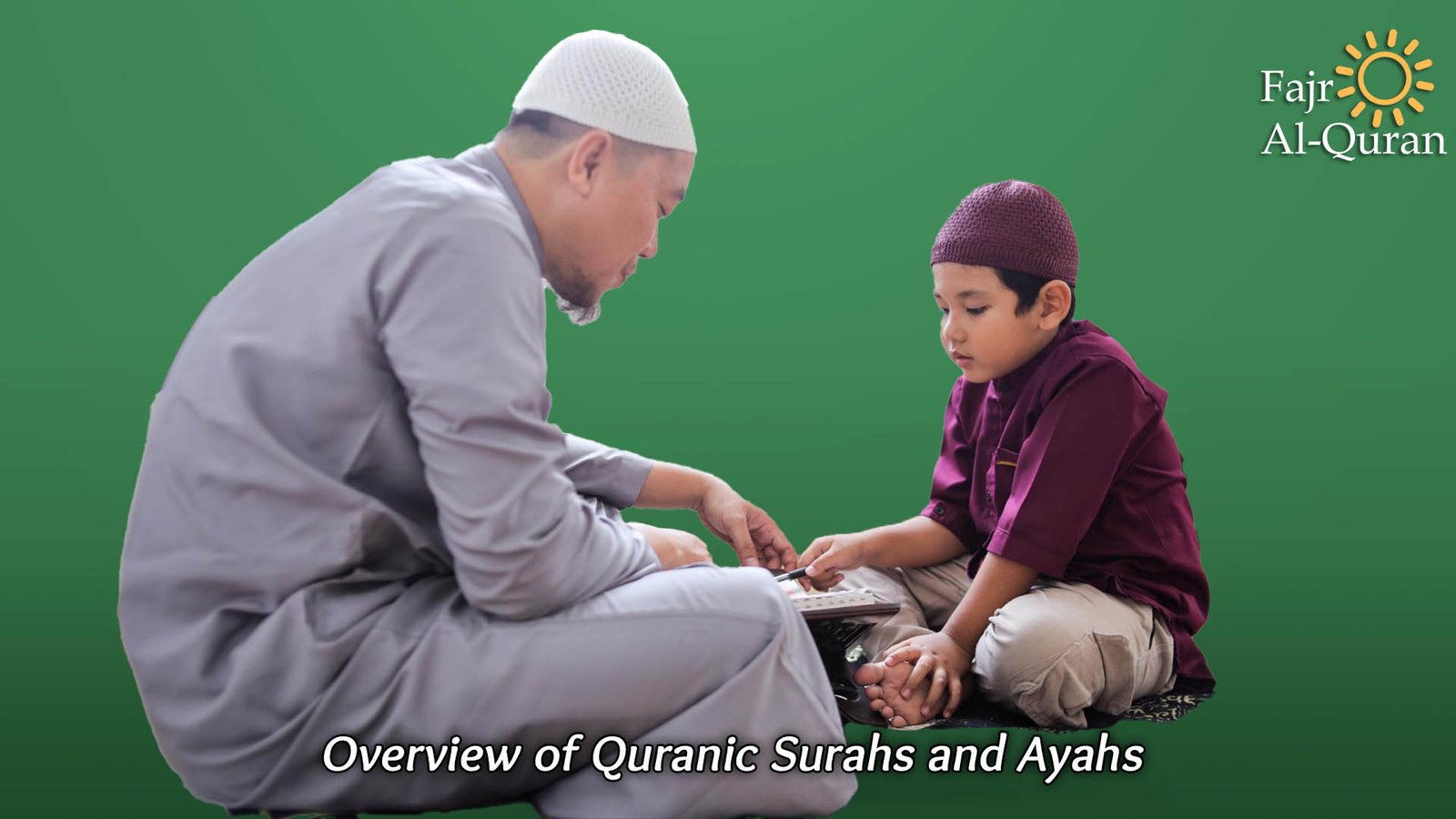
Overview of Quranic Surahs and Ayahs
outline for a quran memorization course
The Quran consists of 114 Surahs (chapters) and 6236 Ayahs (verses). These Surahs vary significantly in length, with the shortest being Al-Kawthar with just 3 Ayahs, and the longest being Al-Baqara with 286 Ayahs. The Surahs are categorized into Meccan and Medinan based on their place of revelation, providing historical context that is valuable for understanding their meanings.
Key aspects of Quranic Surahs and Ayahs include:
Thematic coherence: Many Surahs have central themes or messages.
Historical context: Understanding when and why a Surah was revealed can enhance comprehension.
Linguistic characteristics: The Quran is known for its eloquence and unique linguistic features.
Importance of Tajweed in Memorization
Tajweed refers to the rules governing the pronunciation of Quranic verses. It is essential for the correct recitation of the Quran. Proper application of Tajweed rules ensures that the Quran is recited as it was revealed, maintaining its original message and beauty.
The significance of Tajweed in Quran memorization includes:
Accurate recitation: Tajweed ensures that the Quran is recited correctly.
Enhanced understanding: By focusing on proper pronunciation, learners can better comprehend the Quran’s message.
Spiritual connection: Correct recitation fosters a deeper spiritual connection with the divine message.
Effective Quran study methods incorporate Tajweed, enhancing both memorization and understanding. As part of Islamic education, learning Tajweed is fundamental for those seeking to engage deeply with the Quran.
Choosing the Right Quran Memorization Course
Finding the right quran memorization course is crucial for your educational journey.
Embarking on a Quran memorization journey requires careful consideration of the course that best suits your needs. With various options available, understanding the key factors and differences between them is crucial.
Factors to Consider
When selecting a Quran memorization course, several factors come into play. Learning style is a critical consideration; some individuals prefer structured lessons, while others thrive in more flexible environments.
Evaluate different options before settling on a quran memorization course.
Course curriculum is another vital aspect. Ensure that the course covers the aspects of Quran memorization you’re interested in, whether it’s Tajweed, online quran tafseer course, or simply memorizing the Quran.
Qualifications and experience of the instructors
Course duration and flexibility
Use of technology and interactive tools
Support for students, including feedback mechanisms
Online vs. In-Person Courses
The debate between online and in-person Quran memorization courses hinges on several factors, including flexibility, interactivity, and personal preference.
Feature
Online Courses
In-Person Courses
Flexibility
High – Can be accessed from anywhere
Low – Requires physical presence
Interactivity
Variable – Depends on the technology used
High – Direct interaction with teachers and peers
Cost
Generally lower
Can be higher due to operational costs
Ultimately, the choice between an online and in-person Quran memorization course depends on your individual needs and preferences. If you’re looking for flexibility and are comfortable with digital learning tools, an online Quran course might be the ideal choice.
Choosing between online and in-person formats for a quran memorization course can be challenging.
Techniques for Effective Memorization
Effective Quran memorization is a journey that requires the right techniques and strategies. To achieve success, it’s essential to understand the methods that facilitate memorization and retention. By incorporating these techniques into your daily routine, you can enhance your ability to memorize the Quran.
The Role of Repetition in Learning
Repetition is a fundamental element in the process of memorizing the Quran. Repeating verses and surahs multiple times helps solidify them in your memory, making it easier to recall them. This technique is based on the psychological spacing effect, which suggests that information learned in multiple, spaced sessions is retained more effectively than information learned in a single session.
To apply repetition effectively, start by selecting a verse or surah you wish to memorize. Read it several times, then try to recite it from memory. Repeat this process several times, gradually increasing the interval between repetitions.
Utilizing Audio and Visual Aids
In addition to repetition, utilizing audio and visual aids can significantly enhance your Quran memorization experience. Audio recordings of the Quran can help you learn correct pronunciation and intonation, while visual aids like flashcards can assist in memorizing verses and their locations.
Incorporating technology into your quran memorization course can greatly enhance learning.
There are numerous online resources and apps available that provide these aids, making it easier to incorporate them into your study routine. For example, you can use apps that offer interactive Quran memorization tools, such as verse-by-verse analysis and memorization tracking.
By combining repetition with audio and visual aids, you can create a comprehensive and engaging Quran memorization program. This multifaceted approach will not only enhance your memorization but also deepen your understanding and connection to the Quran.
Setting Goals for Memorization
Setting specific goals is fundamental to maintaining motivation and tracking progress in Quran memorization. By establishing clear objectives, individuals can create a roadmap for their memorization journey, making the process more manageable and rewarding.
Short-Term vs. Long-Term Goals
When it comes to Quran memorization, it’s essential to differentiate between short-term and long-term goals. Short-term goals might include memorizing a certain number of verses within a week, while long-term goals could involve completing the memorization of an entire Surah or even the entire Quran. Balancing both types of goals helps in maintaining a consistent pace and celebrating small victories along the way.
For instance, a short-term goal could be to memorize one verse per day, while a long-term goal might be to memorize the entire Surah Al-Baqarah within three months. By having both, learners can stay focused on their daily tasks while working towards a larger objective.
Tracking Your Progress
Tracking progress is a vital component of the memorization process. It not only motivates learners by showing how far they’ve come but also identifies areas that require more attention. Utilizing a memorization journal or a mobile app can be effective ways to track progress. These tools allow learners to record their daily memorization, note any challenges, and reflect on their improvement over time.
Regularly reviewing and adjusting goals is also crucial. As learners progress, their goals may need to be revised to reflect their new level of understanding and memorization. This flexibility ensures that the goals remain challenging yet achievable, keeping the learner engaged and motivated.
By incorporating effective goal-setting strategies and tracking progress, individuals can enhance their Quran memorization experience, making it a rewarding and enriching journey.
Creating a Suitable Learning Environment
The right environment can significantly impact your quran memorization course experience.
outline for a quran memorization course
A quiet and organized study area can greatly facilitate the process of memorizing the quran. Having a dedicated space for study helps in establishing a routine and mindset necessary for effective learning.
Importance of a Quiet Study Space
A quiet environment minimizes distractions, allowing individuals to focus on their studies. This is particularly important when memorizing the Quran, as concentration is key to retaining the verses.
To achieve a quiet study space, consider the following:
Choose a room or area that is away from high-traffic zones in your home.
Use noise-cancelling headphones or play calming music to mask background noise.
Inform family members or roommates about your study schedule to avoid interruptions.
Minimizing Distractions During Study Time
Minimizing distractions is crucial for maintaining focus during study sessions. Here are some strategies to help you stay on track:
Set a regular study schedule and stick to it.
Create a comfortable study area that promotes good posture and reduces eye strain.
Keep your study space organized and clutter-free.
Avoid using your phone or other electronic devices during study sessions unless necessary.
By implementing these strategies, you can create an ideal environment that supports your efforts in memorizing the quran. Consistency and dedication are key to achieving your goals.
Engaging with Community Support
Community support is invaluable during your quran memorization course journey.
Connecting with others who share your goal can provide valuable support and encouragement in your Quran memorization journey. Being part of a community can help you stay motivated, overcome challenges, and celebrate your achievements.
Finding Study Partners or Groups
Finding a study partner or joining a study group can be a great way to stay accountable and motivated. You can work together to review verses, discuss challenging passages, and provide mutual support. Many mosques and Islamic centers offer Quran memorization groups, or you can search online for virtual study groups.
Some benefits of studying with a partner or group include:
Improved motivation and accountability
Opportunities to discuss and clarify challenging concepts
Mutual support and encouragement
Enhanced learning experience through shared insights and perspectives
Online Forums and Resources
In addition to local study groups, online forums and resources can provide a wealth of support and guidance. Websites, social media groups, and online courses can connect you with a broader community of individuals who are also on a Quran memorization journey.
Some popular online resources include:
Online Quran memorization courses and tutorials
Social media groups and forums dedicated to Quran memorization
Mobile apps that provide Quran memorization tools and tracking features
By engaging with community support, you can enhance your islamic education experience and stay committed to your Quran memorization goals. Whether you prefer in-person or online connections, there are many ways to find support and motivation on your journey.
The Role of a Teacher or Mentor
The role of a teacher or mentor in Quran memorization cannot be overstated, as they provide crucial support and guidance. A good teacher can make a significant difference in one’s ability to memorize the Quran effectively.
Having a mentor during your quran memorization course can facilitate your progress.
How a Teacher Can Enhance Your Learning
A teacher can enhance your learning by providing personalized feedback, correcting your mistakes, and offering encouragement. They can also tailor the learning process to fit your individual needs and learning style, making quran study methods more effective.
Moreover, a teacher can help you stay motivated and committed to your goals. They can provide additional resources and support, such as recommending relevant study materials or offering tips on how to overcome common challenges.
Tips for Building a Relationship with Your Mentor
Building a strong relationship with your mentor involves regular communication, being open to feedback, and showing commitment to your learning goals. It’s also beneficial to establish clear expectations and be respectful of their time and expertise.
To foster a productive mentorship, consider setting regular meeting times, being prepared for each session, and following up on any advice or feedback provided. This will help you make the most of your mentorship and enhance your Quran memorization journey.
Overcoming Common Challenges
Embarking on the journey of Quran memorization can be a profoundly rewarding experience, yet it is not without its challenges. As you navigate this path, you’ll encounter various obstacles that can test your resolve and commitment. Effective strategies and a supportive mindset are crucial in overcoming these hurdles.
Understanding common challenges can prepare you for your quran memorization course.
Dealing with Time Management Issues
Managing time effectively is a common challenge many face when memorizing the Quran. Creating a study schedule can help alleviate this issue. By allocating a specific time each day for memorization, you can establish a consistent routine that fosters progress.
Tips for Effective Time Management:
Set realistic goals for what you can achieve in a day.
Prioritize your study time, minimizing distractions during this period.
Use a planner or app to track your progress and stay organized.
As the Quran reminds us,
“And when My servants ask you concerning Me, then indeed I am near. I answer the prayer of the supplicant when he calls upon Me.”
This verse underscores the importance of being consistent and sincere in your efforts.
Coping with Frustration and Disappointment
It’s natural to feel frustrated or disappointed at times during your Quran memorization journey. Practicing patience and perseverance is key to overcoming these feelings. Remember, the journey is just as important as the destination.
Strategies for Coping:
Take breaks when needed to avoid burnout.
Celebrate small milestones to keep motivation high.
Seek support from peers or mentors who understand your journey.
By adopting these strategies and maintaining a positive outlook, you can navigate the challenges of Quran memorization more effectively. As you continue on this path, remember that every effort counts, and the rewards are immeasurable.
Incorporating Daily Practice
Consistency is key when it comes to memorizing the Quran, and daily practice makes it achievable. By incorporating memorization into your daily routine, you can ensure steady progress and a deeper understanding of the Quranic verses.
Routine practice is essential in any quran memorization course.
Making Memorization Part of Your Routine
To make daily practice a habit, start by setting aside a specific time each day dedicated to Quran memorization. This could be early in the morning or before bed, depending on what suits your schedule best. Consistency is more important than the time of day. It’s also helpful to create a conducive study environment that is quiet and free from distractions.
Here are some tips to make memorization a part of your daily routine:
Begin with a manageable amount, such as memorizing one verse a day.
Use a planner or app to schedule your memorization time.
Combine memorization with other daily activities, like during your commute or while exercising.
The Benefits of Consistency in Learning
Consistency in daily practice offers several benefits, including improved retention and a deeper understanding of the Quran. Regular review helps solidify the verses in your long-term memory, making it easier to recall them. Moreover, consistent practice helps in developing a strong connection with the Quran, enhancing your spiritual growth.
“The Quran is a guide for those who are steadfast and patient.” – This reflects the importance of consistency in one’s journey with the Quran.
A table summarizing the benefits of consistency in Quran memorization is as follows:
Benefit
Description
Improved Retention
Regular review helps in retaining the memorized verses.
Deeper Understanding
Consistency aids in comprehending the Quranic verses more profoundly.
Spiritual Growth
Daily practice fosters a stronger spiritual connection.
By making daily practice a part of your routine, you not only progress in your online Quran course but also enrich your spiritual life. Consistency is the key to unlocking the full potential of Quran memorization.
Celebrating Milestones in Your Journey
Celebrating milestones enhances your experience in a quran memorization course.
As you progress through a quran memorization course, it’s essential to acknowledge and celebrate your achievements. Recognizing your milestones, no matter how small they may seem, is a powerful motivator that encourages continued effort and dedication.
Achievements to Cherish
Memorizing the Quran is a significant accomplishment that deserves recognition. Celebrate the completion of each surah or juz’ to reinforce your sense of achievement and motivation to continue.
Sharing Your Success
Sharing your journey can inspire others to join a quran memorization course.
Sharing your progress with friends and family can also enhance your learning experience. It allows you to receive support and encouragement from loved ones, making the journey more enjoyable and rewarding. By sharing your achievements, you can inspire others to embark on their own quran memorization course, creating a ripple effect of positivity and growth.
FAQ
What is the best way to start a Quran memorization course?
The best way to start is by understanding the basics of Quran memorization, setting clear goals, and choosing a suitable course that fits your learning style, whether online or in-person.
Consider starting with a beginner-friendly quran memorization course.
How do I choose the right Quran memorization course for me?
Consider factors such as your learning style, schedule, and personal preferences when selecting a course. Online courses offer flexibility, while in-person courses provide direct interaction with teachers.
What is the importance of Tajweed in Quran memorization?
Tajweed training is often included in a quality quran memorization course.
Tajweed is crucial as it ensures the correct pronunciation of Quranic verses, which is essential for accurate memorization and recitation.
How can I stay motivated throughout my Quran memorization journey?
Setting realistic goals, tracking your progress, and engaging with a community of like-minded individuals can help maintain motivation.
What are some effective techniques for memorizing the Quran?
Techniques such as repetition, using audio and visual aids, and practicing consistently can enhance memorization.
Learning techniques in a quran memorization course can enhance your skills.
How can I create a conducive learning environment for Quran memorization?
Identify a quiet, dedicated study space, minimize distractions, and establish a regular study schedule to create an ideal environment.
What role does a teacher or mentor play in Quran memorization?
A teacher or mentor provides personalized feedback, corrects mistakes, and offers encouragement, significantly impacting one’s progress.
How can I overcome common challenges in Quran memorization, such as time management issues?
Strategies include creating a study schedule, practicing patience, and staying committed to your goals.
Why is consistency important in Quran memorization?
Consistency ensures steady progress, improves retention, and deepens understanding of the Quran.
Understanding the importance of consistency is vital in a quran memorization course.
How should I celebrate milestones in my Quran memorization journey?
Recognize your achievements, no matter how small, and consider sharing them with friends and family to enhance your sense of accomplishment.
Recognizing milestones is part of completing a quran memorization course.
Embark on a journey to deepen your understanding of the online quran tafseer course. This program is designed to provide a thorough insight into the interpretation and context of Quranic verses, helping you apply its teachings more effectively in daily life.
With the flexibility of online learning, you can study at your own pace and convenience. Our Quranic studies course is tailored to enhance your knowledge and connection with the Quran, making it an ideal choice for those seeking a deeper understanding.
Key Takeaways
Gain a deeper understanding of Quranic verses and their context.
Study at your own pace with flexible online learning.
Enhance your knowledge and connection with the Quran.
Apply Quranic teachings effectively in daily life.
Access comprehensive resources and expert guidance.
What is Tafseer and Why is It Important?
The concept of Tafseer is fundamental to grasping the true essence of the Quranic message. Tafseer, or the explanation and interpretation of the Quran, is a cornerstone of Islamic studies, enabling learners to understand the historical context, linguistic nuances, and jurisprudential implications of the Quranic verses.
Understanding the Concept of Tafseer
Tafseer involves a comprehensive analysis of the Quran, taking into account the circumstances surrounding the revelation of the verses, the language and syntax used, and the interpretations provided by reputable Islamic scholars. As noted by the renowned Islamic scholar, Imam Ibn Kathir, “Tafseer is the key to understanding the Quran, as it provides the context and explanations necessary to grasp its true meaning.”
“The Quran is not just a book of laws and rituals, but a guide to a successful life, and Tafseer helps us navigate its wisdom.”
Importance of Tafseer in Islamic Education
Tafseer is crucial in Islamic education as it bridges the gap between the literal translation of the Quran and its deeper, contextual meaning. By studying Tafseer, students can gain a more profound understanding of Islamic teachings and their application in daily life. This, in turn, enhances their ability to practice Islam authentically and make informed decisions.
Provides context to Quranic verses
Enhances understanding of Islamic jurisprudence
Facilitates a deeper connection with the Quran
How Tafseer Enhances Quranic Understanding
Engaging with Tafseer enriches one’s understanding of the Quran by revealing its multifaceted nature. It helps readers appreciate the Quran’s relevance to various aspects of life, from personal spirituality to societal issues. Through Tafseer, learners can derive practical lessons and wisdom, making the Quran more accessible and applicable in contemporary contexts.
In conclusion, Tafseer is not just an academic pursuit but a spiritual journey that deepens one’s connection with the Quran. By understanding and applying Tafseer, individuals can enrich their Islamic knowledge and practice, leading to a more fulfilling and enlightened life.
Benefits of Taking an Online Quran Tafseer Course
online quran tafseer course
Online Quran Tafseer courses offer a unique blend of flexibility, expert instruction, and community interaction that can significantly enhance one’s understanding of the Quran. These benefits make online courses an attractive option for those seeking to deepen their knowledge of Islamic scripture.
Flexibility and Convenience of Online Learning
One of the primary advantages of online Quran Tafseer courses is their flexibility. Students can learn at their own pace, reviewing material as many times as needed and fitting their studies around other commitments.
This flexibility is particularly beneficial for those with busy schedules or living in areas with limited access to qualified instructors. By studying online, individuals can access high-quality educational resources that might otherwise be out of reach.
Access to Experienced Instructors
Online Quran Tafseer courses provide access to experienced instructors who are knowledgeable in the field of Tafseer. These instructors can offer personalized guidance, answer questions, and provide insights that enrich the learning experience.
The expertise of online instructors is often comparable to, if not superior to, that found in traditional classroom settings. This is because online platforms can attract scholars from around the world, offering students a diverse range of perspectives and interpretations.
Community Interaction and Support
Contrary to the notion that online learning is isolating, many online Quran Tafseer courses foster a sense of community among participants. Discussion forums, live sessions, and group activities enable students to interact with one another, share insights, and support each other’s learning journeys.
Benefits
Description
Advantages
Flexibility
Learn at your own pace
Accommodates busy schedules
Expert Instruction
Access to knowledgeable instructors
Personalized guidance and insights
Community Interaction
Engage with fellow learners
Fosters a supportive learning environment
By leveraging these benefits, online Quran Tafseer courses can provide a comprehensive and engaging educational experience that enhances one’s understanding of the Quran.
What to Expect from an Online Quran Tafseer Course
As you consider enrolling in an online Quran Tafseer course, it’s essential to know the details that will shape your educational experience. Understanding the course’s framework and what it entails will help you prepare for a meaningful journey into Quranic studies.
Course Structure and Content Overview
An online Quran Tafseer course is typically structured to provide a comprehensive understanding of the Quran’s interpretation. The course content may include:
Introduction to Tafseer: Understanding the basics and significance of Tafseer in Islamic education.
Methodology of Tafseer: Learning the various approaches and techniques used in interpreting the Quran.
Historical Context: Studying the historical context of the Quranic verses to understand their relevance and application.
Analysis of Quranic Verses: In-depth analysis of selected verses, exploring their meaning, context, and implications.
Duration and Time Commitment
The duration of an online Quran Tafseer course can vary, typically ranging from a few weeks to several months. The time commitment required can also differ, with some courses demanding a few hours of study per week. It’s crucial to understand the course’s duration and the expected time commitment to ensure you can dedicate the necessary time to your studies.
Prerequisites for Enrollment
While prerequisites can vary depending on the course, some common requirements include a basic understanding of the Quran and Arabic language. Some courses may also require prior knowledge of Islamic studies or Tafseer. It’s essential to check the specific prerequisites for the course you’re interested in to ensure you meet the necessary criteria.
By understanding these aspects, you can make an informed decision about enrolling in an online Quran Tafseer course that aligns with your educational goals and deepens your understanding of Quranic studies and Islamic education.
Choosing the Right Online Quran Tafseer Course
The abundance of online Quran Tafseer courses necessitates a careful selection process to ensure the best fit for your educational needs. With so many options available, it’s essential to have a clear understanding of what to look for in a course.
Researching Different Platforms
When researching different platforms, consider the course content, instructor expertise, and platform usability. Look for courses that offer comprehensive coverage of Tafseer, including both theoretical foundations and practical applications.
A good platform should provide a user-friendly interface, enabling you to navigate through the course materials with ease. Additionally, look for platforms that offer support, such as discussion forums or direct interaction with instructors.
Evaluating Course Reviews and Ratings
Evaluating course reviews and ratings is crucial. Check for feedback from previous students to understand the strengths and weaknesses of the course. Websites, forums, and social media can provide valuable insights into the course’s reputation.
Pay attention to the overall rating and read the comments to get a well-rounded view. This will help you make an informed decision about whether the course meets your needs.
Credential Verification of Instructors
Verifying the credentials of instructors is vital. Ensure that they are the best Quran teachers. Check their academic backgrounds, teaching experience, and any publications they may have.
Qualified instructors can significantly enhance your learning experience, providing you with a deeper understanding of the subject matter.
Tools and Resources for Online Learning
To get the most out of an online Quran Tafseer course, it’s essential to have the right tools and resources at your disposal. This not only enhances your learning experience but also ensures that you can fully engage with the course materials and your peers.
Recommended Reading Materials
One of the key resources for any online Quran Tafseer course is the recommended reading materials. These typically include authentic Tafseer books and scholarly articles that provide a deeper understanding of the Quran. Some of the most revered Tafseer texts include “Tafseer Ibn Kathir” and “Tafseer Al-Tabari.” These texts offer historical context, linguistic analysis, and theological insights that are crucial for a comprehensive understanding of the Quran.
As the renowned Islamic scholar, Ibn Kathir, once said,
“The Quran is the word of Allah, and its understanding is a journey that requires patience, reflection, and the right guidance.”
Utilizing Online Discussion Forums
Online discussion forums are another vital resource for online learners. These forums provide a platform for students to discuss course materials, share insights, and ask questions. Engaging with peers through these forums can significantly enhance your understanding of the Quran, as you learn from others’ perspectives and experiences.
Share your thoughts and reflections on the course materials.
Ask questions to clarify any doubts.
Engage with your peers and learn from their insights.
Technology Requirements for Participation
To fully participate in an online Quran Tafseer course, you will need to ensure that your technology setup meets the course requirements. This typically includes a reliable internet connection, a computer or tablet, and audio/video conferencing tools. Some courses may also require specific software or apps for accessing course materials or participating in live sessions.
Technology Requirement
Description
Reliable Internet Connection
For accessing course materials and participating in live sessions.
Computer or Tablet
For accessing course materials and engaging with online discussions.
Audio/Video Conferencing Tools
For participating in live sessions and interacting with instructors and peers.
By leveraging these tools and resources, you can maximize your learning outcomes and deepen your understanding of the Quran through online Tafseer courses.
Common Misconceptions about Learning Tafseer Online
As online Quran Tafseer courses gain traction, it’s essential to address the common misconceptions surrounding this mode of learning. The shift towards online education has sparked debates about its effectiveness compared to traditional methods.
Online Courses vs. Traditional Classroom Learning
One of the primary misconceptions is that online courses lack the personal touch and interaction of a traditional classroom. However, many online platforms now offer live sessions, discussion forums, and one-on-one interactions that replicate the classroom experience.
Key similarities between online and traditional learning include:
Access to experienced instructors
Structured course materials
Opportunities for Q&A and feedback
Debunking Myths about Online Education
Another myth is that online education is less rigorous or less effective than traditional learning. In reality, online Quran Tafseer courses often require a high level of commitment and self-discipline.
“The flexibility of online learning does not mean a lack of rigor; it means a different approach to achieving the same educational goals.”
A comparison of online and traditional learning methods reveals that both have their strengths. The following table highlights some key differences:
Aspect
Online Learning
Traditional Classroom Learning
Flexibility
Highly flexible, accessible from anywhere
Limited by location and schedule
Interaction
Virtual interactions, discussion forums
Face-to-face interactions
Self-discipline
Requires high self-discipline
Structured schedule aids discipline
The Value of Virtual Interaction
Virtual interaction in online courses can be just as valuable as in-person interaction. It allows for diverse perspectives and global connections among students.
The benefits of virtual interaction include:
Global networking opportunities
Diverse perspectives in discussions
Flexibility in communication
By understanding the realities of online learning, individuals can make informed decisions about their educational path. Online Quran Tafseer courses offer a viable and effective alternative to traditional classroom learning, providing flexibility, access to quality education, and a supportive community.
Tips for Success in an Online Quran Tafseer Course
online quran tafseer course
Maximizing your learning experience in an online Quran Tafseer course involves several key strategies. To achieve your learning goals, it’s crucial to be proactive and engaged throughout the course.
Setting Up a Study Schedule
Creating a structured study schedule is vital for staying on track. Allocate specific times of the day or week dedicated to studying the course materials. Consistency is key to absorbing and retaining the information.
Set clear goals for what you want to achieve in each study session.
Use a planner or digital calendar to schedule your study times.
Minimize distractions during your study sessions by choosing a quiet, dedicated space.
Engaging with Course Materials
Active engagement with the course materials enhances your understanding and retention of the Tafseer. This involves more than just passively reading; it requires interacting with the content.
Effective engagement strategies include:
Taking detailed notes on important concepts and verses.
Participating in online discussions and forums related to the course.
Applying the knowledge gained by relating it to real-life situations or other parts of the Quran.
Seeking Help When Needed
Don’t hesitate to seek help if you’re struggling with any aspect of the course. Online Quran Tafseer courses often provide various support mechanisms.
Some ways to get help include:
Reaching out to instructors or teaching assistants via email or online office hours.
Engaging with peers through discussion forums or group chats.
Utilizing additional resources such as online libraries or recommended reading lists.
By implementing these strategies, you can significantly enhance your learning experience and achieve a deeper understanding of the Quran through the Tafseer course.
Incorporating Tafseer into Daily Life
Incorporating Tafseer into daily life can significantly enhance one’s spiritual journey and understanding of the Quran. By applying the insights gained from Tafseer, individuals can foster a deeper connection with their faith and navigate life’s challenges with greater wisdom.
Applying Tafseer in Personal Reflection
Personal reflection is a powerful tool for spiritual growth. By incorporating Tafseer into daily reflection, individuals can gain a more nuanced understanding of the teachings Quran remotely and apply them to their personal circumstances.
For instance, reflecting on the Tafseer of Surah Al-Fatihah can provide insights into the importance of gratitude and seeking guidance from Allah.
Sharing Your Knowledge with Others
Sharing knowledge gained from Tafseer with others can be a rewarding experience, fostering a sense of community and cooperation. This can be done through various means, such as leading study groups or simply discussing the insights gained with family and friends.
Engaging in discussions at local community centers
The Role of Tafseer in Community Building
Tafseer plays a significant role in community building by providing a common framework for understanding and discussing the Quran. Communities that come together to study Tafseer can strengthen their bonds and develop a more cohesive understanding of their faith.
Aspect
Personal Reflection
Community Building
Understanding
Deeper personal understanding of the Quran
Unified understanding among community members
Application
Application of Quranic teachings in daily life
Collective application of teachings in community practices
Impact
Personal spiritual growth
Strengthened community bonds and cooperation
Conclusion: Join an Online Quran Tafseer Course Today
Enrolling in an online Quran Tafseer course is a significant step towards deepening your understanding of the Quran. Through online learning, you can access a wealth of knowledge and connect with a community of like-minded individuals.
Deepening Your Understanding
Tafseer is crucial for interpreting the Quran’s teachings and applying them to daily life. By joining a Tafseer course, you can gain a richer understanding of Islamic education.
Take the First Step
Signing up for an online Tafseer course is easier than ever. With flexible scheduling and experienced instructors, you can embark on this rewarding journey at your own pace.
Explore Further
For those interested in exploring more, numerous resources are available online, including recommended reading materials and discussion forums. These tools can enhance your learning experience and provide ongoing support.
FAQ
What is the Online Quran Tafseer Course about?
The Online Quran Tafseer Course is designed to provide a comprehensive understanding of the Quran by exploring its interpretation, context, and application in daily life.
Who is the Online Quran Tafseer Course suitable for?
The course is suitable for individuals seeking to deepen their understanding of the Quran, including students of Islamic studies, and those interested in exploring the Quran’s teachings in a more detailed manner.
What are the benefits of taking an online course?
The benefits include flexibility and convenience, access to experienced instructors, and the opportunity to interact with a community of learners.
How do I choose the right Online Quran Tafseer Course?
To choose the right course, research different platforms, evaluate course reviews and ratings, and verify the credentials of instructors.
What are the prerequisites for enrolling in the Online Quran Tafseer Course?
Prerequisites may vary, but typically, a basic understanding of the Quran and Islamic studies is recommended.
What kind of support can I expect during the course?
You can expect support through online discussion forums, direct interaction with instructors, and potentially, a community of learners.
How can I effectively incorporate Tafseer into my daily life?
You can incorporate Tafseer into your daily life by applying its teachings in personal reflection, sharing your knowledge with others, and contributing to community building.
What technology requirements are necessary for the course?
The technology requirements typically include a stable internet connection, a computer or mobile device, and potentially, specific software or tools recommended by the course providers.
Can I interact with instructors and other learners?
Yes, interaction with instructors and other learners is a key component of the online learning experience, often facilitated through discussion forums and live sessions.
How long does it take to complete the Online Quran Tafseer Course?
The duration of the course can vary depending on the course structure and your pace, but it is typically outlined in the course details provided by the platform.
Most advice about Quran memorization is written with children in mind, which can make adults feel like they’ve missed their window. That’s not accurate. Adult memorization works differently, not worse, and it’s worth understanding those differences rather than applying a child’s approach to an adult’s situation.
Why It Genuinely Feels Harder
Adult brains are less naturally geared toward rote memorization than a child’s, and adults also carry far more competing responsibilities, work, family, and less flexible time. This isn’t a character flaw or a sign of inability, it’s just a different starting condition that calls for a different strategy.
The Advantage Adults Actually Have
What adults lack in raw memorization speed, they often make up for in understanding and discipline. An adult can grasp meaning, context, and the logic connecting verses in a way that makes memorization more anchored and less purely mechanical. Adults are also generally better at sticking to a self-imposed schedule once it’s set.
Smaller, Realistic Portions
Rather than comparing pace to what a child memorizes, adults generally do better with smaller daily portions held to a consistently high standard, rather than pushing volume and letting accuracy slip. A slower, more solid pace beats a faster, shakier one.
Fitting It Into a Full Schedule
The realistic answer for most working adults is early morning or late evening sessions, kept short and non-negotiable, treated the same way you’d treat any other fixed daily commitment. Waiting for a bigger block of free time to appear rarely works, since it usually doesn’t.
Understanding Meaning Helps More Than People Expect
Because adults can engage with tafsir and the meaning behind verses, connecting memorization to understanding, rather than treating it as pure repetition, often makes retention noticeably stronger. This is one of the genuine advantages of starting later rather than earlier.
It’s Genuinely Not Too Late
Plenty of adults successfully memorize significant portions of the Quran starting well into adulthood. A memorization program designed around an adult schedule, rather than a children’s pace and structure, makes this a realistic goal rather than a nostalgic idea about a missed opportunity.
In Short
Adult memorization looks different from a child’s, smaller portions, more reliance on understanding, and a schedule built around real adult constraints, but different doesn’t mean worse. It’s a genuinely achievable goal with the right approach.
Islam places a strong emphasis on cleanliness and purification — not just of the body, but also of the soul. One of the most significant practices that reflect this concept is wudu, the Islamic ritual of ablution performed before prayer and other acts of worship.
For those unfamiliar with this term, understanding the wudu meaning opens the door to appreciating one of the most spiritually enriching rituals in the Islamic tradition. In this article, we will explore what wudu is, why it matters, how it is performed, and what it symbolizes in the life of a practicing Muslim.
What is the Wudu Meaning?
The wudu meaning can be understood as both a physical and spiritual purification process. Literally, the Arabic word “wudu” (الوضوء) translates to “cleanliness” or “purity.” In Islamic practice, it refers to the washing of specific body parts before performing acts of worship such as prayer (salah), touching the Qur’an, or performing tawaf (circumambulation) around the Kaaba in Makkah.
However, wudu meaning goes far beyond hygiene. It represents a spiritual state of readiness, a cleansing not just of dust and dirt, but of the minor sins and distractions that distance a person from God. When a Muslim performs wudu, they are symbolically washing away their mistakes and entering a state of mindfulness and humility before standing in front of their Creator.
The Importance of Wudu in Islam
Wudu holds a central place in the daily life of a Muslim. It is not optional but a mandatory prerequisite for prayer. The Prophet Muhammad ﷺ said:
“No prayer is accepted without purification.” (Sahih Muslim)
This hadith makes it clear that performing wudu is a fundamental requirement for establishing a valid connection with Allah through prayer. Without it, the prayer — which is the second pillar of Islam — is incomplete.
Moreover, performing wudu regularly encourages Muslims to stay physically clean throughout the day. In fact, many Muslims perform wudu several times a day before each of the five daily prayers, making cleanliness a regular part of their routine. This habit is especially emphasized in settings like Virtual Quran Classes, where students are encouraged to maintain both physical and spiritual purity before engaging with the Qur’an online.
How Wudu is Performed
The process of performing wudu is both simple and structured, with each step designed to cleanse a specific part of the body:
Intention (Niyyah): Start with a sincere intention in the heart to perform wudu.
Washing the hands: Begin by washing both hands up to the wrists three times.
Mouth and nose: Rinse the mouth and then the nostrils with water three times.
Face: Wash the entire face from forehead to chin, and from ear to ear, three times.
Arms: Wash both arms from the fingertips up to the elbows, three times.
Wiping the head: Wet the hands and wipe over the head once.
Ears: Clean the inside and outside of both ears with wet fingers.
Feet: Wash both feet up to the ankles, three times.
This entire process usually takes just a few minutes, but it transforms the mindset of a believer, setting the tone for sincere and focused worship—an essential practice connected to the Pillars of Islam.
Spiritual Dimensions of Wudu
While many may view wudu as a simple routine, those who understand the wudu meaning recognize its deep spiritual significance. Every act of washing is an act of letting go—of ego, of sin, of worldly distractions.
The Prophet Muhammad ﷺ once said:
“When a Muslim or a believer washes his face (in wudu), every sin which he committed with his eyes will be washed away… when he washes his hands, every sin committed with them will be washed away… until he comes out pure from all sins.” (Sahih Muslim)
This narration reveals how wudu is much more than outward cleanliness. It’s a sacred preparation, a way to stand before God with a cleansed heart and pure intentions.
Wudu and Modern Science
Interestingly, many aspects of wudu align with modern hygiene practices. Regular handwashing, facial cleansing, and nasal rinsing are all recommended by health professionals to prevent the spread of bacteria and viruses. The act of performing wudu several times a day naturally promotes personal hygiene, which contributes to both individual and public health.
Moreover, some studies suggest that the cool water used in wudu can have a calming effect on the nervous system, reducing stress and promoting mental clarity — a beautiful harmony between faith and science that can greatly support practices like Quran Memorization.
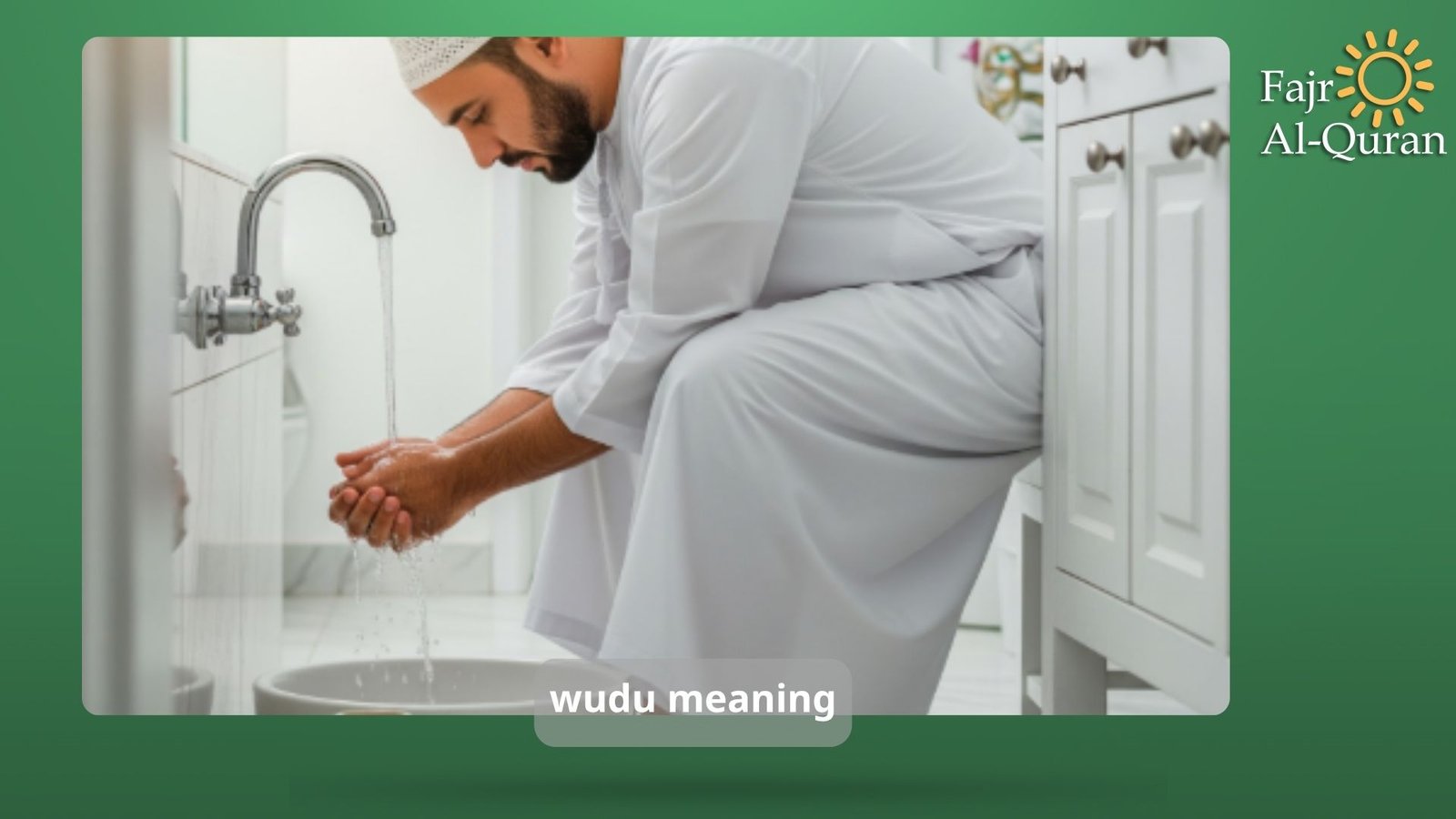
wudu meaning
When Wudu is Required
Understanding the wudu meaning also involves knowing when it is required. Wudu becomes necessary before:
The five daily prayers (salah)
Touching or reading the Qur’an
Tawaf around the Kaaba
Wudu is broken by certain actions such as:
Using the bathroom
Deep sleep
Passing gas
Loss of consciousness
If wudu is invalidated, it must be renewed before engaging in any acts of worship that require it.
Wudu is far more than a ritualistic obligation; it is a gateway to mindfulness, humility, and spiritual clarity. The wudu meaning reflects a divine balance between body and soul, hygiene and holiness, preparation and presence. For Muslims, performing wudu is not just about being physically clean—it is about entering into a sacred state of readiness, cleansing not only their bodies but also their hearts.
At FajrAlQuran, we believe that understanding such practices is essential to grasping the beauty and depth of Islam. Whether you’re a lifelong Muslim or someone exploring the faith, reflecting on the wudu meaning can offer a window into the spiritual elegance that defines Islamic worship.
Frequently Asked Questions (FAQ) about Wudu Meaning
1. What is the meaning of wudu?
Wudu refers to the ritual ablution in Islam—washing specified body parts in a sequence to achieve both physical and spiritual purification before acts of worship like prayer (Salah) or touching the Qur’an.
2. What are the essential steps (pillars) of wudu?
According to Islamic jurisprudence, the pillars of wudu are:
Washing the face
Washing the arms up to the elbows
Wiping over the head
Washing the feet up to the ankles
Performing these acts in the specific order
3. How is wudu properly performed (step-by-step)?
The standard procedure includes:
Begin with intention (niyyah) and saying “Bismillah”
Wash hands three times, rinse mouth and nose, wash face three times
Wash forearms up to elbows, wipe head and ears, then wash feet three times.
Among the five daily prayers in Islam, the Fajr prayer holds a special status. It marks the beginning of the day, before the sun rises, and serves as a powerful spiritual reminder of submission, discipline, and the importance of beginning each day with remembrance of Allah. In a world full of distractions, committing to Fajr prayer is a sign of true devotion and inner strength.
The Virtue of Fajr Prayer in the Qur’an and Sunnah
The Qur’an highlights the significance of Fajr prayer in Surah Al-Isra (17:78):
“…Indeed, the recitation of the Qur’an at dawn is ever witnessed.”
The Prophet Muhammad ﷺ also emphasized its importance:
“Whoever prays the two cool prayers (Fajr and Asr) will enter Paradise.” (Bukhari & Muslim)
This shows that the First Islamic Prayer of the day is not just a ritual—it is a pathway to Jannah (Paradise) and a shield against evil.
Spiritual Benefits of Fajr Prayer
Praying at dawn provides a sense of inner peace. The world is quiet, the heart is calm, and one’s soul is most open to divine connection. The stillness of early morning allows for deep reflection and sincere dua (supplication).
The discipline of waking up for the First Islamic Prayer of the day also helps believers align their priorities. It places Allah before anything else—before work, school, or even sleep. This same mindset of putting faith first can also be nurtured through consistent habits like attending Virtual Quran Classes, which further reinforce a structured and spiritually centered lifestyle.
Physical and Psychological Benefits
Modern science and Islamic wisdom align beautifully when it comes to the benefits of early rising and structured spiritual practices like the Fajr prayer. Establishing such habits early in life—alongside teaching values like discipline, reflection, and even the basics of memorizing the Quran for children—creates a strong spiritual foundation that supports lifelong emotional and mental well-being.
1. Improved Mental Clarity and Focus
Waking up early and starting the day with a calm, focused act of worship sharpens the mind. The quiet of dawn minimizes distractions, helping the brain process information more effectively. Fajr sets a clear tone of purpose for the rest of the day.
2. Lower Stress and Anxiety Levels
Studies show that people who maintain structured routines—especially involving early mornings—tend to have lower cortisol (stress hormone) levels. The Fajr prayer promotes mindfulness, gratitude, and trust in Allah, which naturally reduces anxiety.
3. Better Sleep Quality
Establishing a consistent sleep-wake cycle, with early bedtime and early rising for Fajr, supports deeper and more restful sleep. It aligns with the body’s natural circadian rhythm, improving both the quantity and quality of sleep over time.
4. Enhanced Emotional Balance
Spiritual practices like Fajr help regulate mood by encouraging positive emotions such as peace, hope, and contentment. The act of prayer and dhikr (remembrance of Allah) activates areas of the brain linked to emotional resilience and calmness.
5. Boosted Immune System
Rising early and moving the body—even for ablution and standing in prayer—stimulates circulation, metabolism, and alertness. When combined with reduced stress and better sleep, the immune system becomes more balanced and effective.
6. Increased Discipline and Self-Control
Consistently waking up for the First Islamic Prayer of the day trains the nafs (self) to submit to a higher purpose rather than comfort. This habit builds willpower, time management skills, and a mindset of responsibility—all of which carry into daily tasks and life goals.
Fajr as a Time of Divine Blessing!
The early hours of the morning are a time when angels witness the worship of the believers. According to hadith, Allah descends to the lowest heaven during the last third of the night and listens to those who call upon Him.
“Our Lord descends to the lowest heaven every night… and says: ‘Who is calling upon Me that I may answer him?’” (Bukhari)
Building the Habit of Fajr Prayer
Sticking to Fajr prayer can be challenging, especially in winter or after long nights. However, with some practical steps, it becomes a natural part of your lifestyle:
1. Sleep with Purpose, Not Just Tiredness
Don’t just crash into bed—go to sleep with intention. Say a short dua like:
“O Allah, help me wake up for Fajr and make me among those who value Your worship.”
This mindset shift makes your rest an act of worship, and it prepares your heart spiritually before the alarm even rings.
2. Create a Fajr-Focused Evening Routine
The key to waking up early starts the night before. Turn off screens at least 30–60 minutes before sleep, dim the lights, and avoid heavy meals late at night. Doing so improves your sleep quality and makes it easier to wake up for Fajr prayer with energy.
3. Use Strategic Alarms (with Purposeful Placement)
Place your alarm—or phone—far from your bed, so you have to physically get up to turn it off. Use alarms with peaceful tones that remind you why you’re waking up. Some apps even play Quranic verses or adhkar at Fajr time to inspire you.
4. Build Accountability (Find a Fajr Buddy)
Connect with a friend or family member who also wants to pray Fajr consistently. A quick “Fajr check-in” via message or call can add motivation and a sense of responsibility. Knowing someone else is also striving keeps you going.
5. Start Small, Then Grow
If you’re struggling to wake up at the exact Fajr time, start by waking a bit after sunrise and praying Qada’, then gradually shift backward. Progress with sincerity is better than guilt-driven perfection. Allah sees your efforts.
The more you prioritize it, the easier it becomes. It may start with struggle, but it ends with serenity.
Fajr Prayer
Fajr Prayer in Community
Attending the First Islamic Prayer of the day in the masjid carries additional rewards. The Prophet ﷺ said: those who attend Fajr in congregation receive immense blessings. This atmosphere of early spiritual commitment not only strengthens one’s connection with Allah but also encourages other acts of worship, such as Quran Memorization, especially when the mind is fresh and the heart is most receptive.
“If people knew what is in the First Islamic Prayer of the day and ‘Isha in congregation, they would go to them even if they had to crawl.” (Bukhari)
Praying with others at this blessed time creates a sense of unity and brotherhood. It reminds us that we are part of a spiritual family striving for the same goal.
Scientific Insight: Fajr Prayer and Mental Health
Waking up early for the First Islamic Prayer of the day not only fulfills a spiritual duty, but also supports mental and emotional well-being. Studies in modern psychology suggest that early rising is associated with higher levels of positivity, better emotional regulation, and lower rates of depression.
According to a study published by the journal Nature Communications, people with a natural inclination toward waking up early—”morning types”—were found to have a lower risk of mental health disorders compared to night owls.
“Being a morning person is causally associated with better mental health,” the study concludes. —Nature Communications, 2021
This aligns beautifully with the wisdom of Islam, which encourages waking up before sunrise for First Islamic Prayer of the Day—a daily practice that nourishes the soul and stabilizes the mind.
In a world that glorifies hustle, noise, and constant activity, the stillness of Fajr prayer is revolutionary. It’s a silent protest against forgetfulness. A reminder that success doesn’t begin with emails, caffeine, or social media—it begins with sajdah (prostration).
Make Fajr prayer your anchor. Let it shape your mornings, and soon, it will shape your life.
The 5 Pillars of Islam are the foundation of a Muslim’s life, guiding them in their relationship with Allah and with each other. These five essential practices are not just rituals, but a way of life that helps Muslims cultivate a deeper sense of purpose, compassion, and community.
Iftar
The Power of Shahada: Declaring Faith
The Shahada, or declaration of faith, is the first pillar of the Pillars of Islam. It’s a simple yet profound statement that sets the tone for a Muslim’s life: “There is no god but Allah, and Muhammad is the Messenger of Allah.” When a person recites the Shahada with conviction, they’re essentially saying that they’re willing to surrender their will to Allah and follow the guidance of the Prophet Muhammad peace be upon him. This declaration is a commitment to the oneness of God and the prophethood of Muhammad, and it’s a promise to live one’s life according to the teachings of Islam.
The Shahada is more than just a phrase; it’s a mindset. It’s a reminder that there’s a higher power at work in the universe, and that we’re accountable to Allah for our actions. When Muslims recite the Shahada regularly, they’re reinforcing their faith and reminding themselves of their purpose in life. For example, a Muslim may recite the Shahada before prayer or during times of stress, as a way of seeking guidance and comfort. The Shahada is also a call to action, encouraging Muslims to live their lives in a way that reflects their commitment to Allah. Whether it’s through prayer, charity, or simply being kind to others, the Shahada inspires Muslims to be the best version of themselves.
The Discipline of Salat: Finding Peace in Prayer
The second pillar of the Pillars of Islam is Salat, or prayer. Muslims are required to perform five daily prayers, each at a specific time and with specific movements and recitations. When Muslims pray, they’re not just communicating with Allah; they’re also cultivating a sense of humility, gratitude, and mindfulness. Prayer is a powerful way to connect with Allah and seek guidance, comfort, and forgiveness. For many Muslims, prayer is a source of peace and tranquility, a way to calm the mind and soothe the soul.
The physical movements of prayer, such as standing, bowing, and prostrating, help to cultivate a sense of discipline and focus. The recitations from the Quran and the phrases of praise and glorification of Allah help to purify the heart and soul. When Muslims pray, they’re reminded of their purpose in life and their responsibilities towards themselves, their families, and their communities. For example, a Muslim may pray for guidance on how to navigate a difficult situation, or for forgiveness for past mistakes. By making prayer a regular part of their daily routine, Muslims can cultivate a sense of inner peace and calm, even in the midst of chaos.
Prayer is one of the most important Pillars of Islam as it is the first thing a man will be asked if he did it in dunya (his life) or not in jugment day
a man gives zakat
The Joy of Giving: Zakat and the Spirit of Charity
The third pillar of Pillars of Islam is Zakat, or charity. Zakat is a percentage of a Muslim’s wealth that’s given to those in need, usually calculated as 2.5% of excess wealth. When Muslims give Zakat, they’re not just helping others; they’re also purifying their own wealth and souls. Zakat is a reminder that wealth is a trust from Allah, and that Muslims are responsible for using it in a way that benefits everyone, not just themselves. Giving Zakat can take many forms, from donating to food banks and charities to sponsoring orphans and supporting community development projects.
When Muslims give Zakat, they’re participating in a larger network of compassion and solidarity. Zakat helps to build a sense of community and social responsibility, reminding Muslims that they’re part of a larger whole. For example, a Muslim may give Zakat to a local food bank, helping to provide for families in need. By giving Zakat, Muslims can cultivate a sense of generosity and compassion, and help to build a more just and equitable society.
The Spiritual Rewards of Fasting: Cultivating Self-Discipline and Empathy
The fourth pillar of Pillars of Islam is Sawm, or fasting. During the month of Ramadan, Muslims fast from dawn to sunset, abstaining from food, drink, and other physical needs. Fasting is a way to cultivate self-control, empathy, and gratitude, and to remind Muslims of the struggles of those who are less fortunate. When Muslims fast, they’re not just denying themselves physical comforts; they’re also opening themselves up to spiritual growth and renewal.
Fasting can be challenging, especially in hot climates or for those with physical demands. But the rewards of fasting go far beyond the physical benefits. Fasting helps Muslims develop self-discipline, empathy, and compassion, and it reminds them of the importance of gratitude and contentment. For example, a Muslim may fast during Ramadan, and then break their fast with a meal shared with family and friends. By fasting, Muslims can cultivate a sense of inner strength and resilience, and develop a deeper appreciation for the blessings in their lives.
The Journey of a Lifetime: Hajj and the Spirit of Pilgrimage
The fifth and final Pillars of Islam is Hajj, or pilgrimage. The Hajj is a journey to the holy city of Mecca, where Muslims gather from all over the world to perform rituals and ceremonies that commemorate the life of the Prophet Abraham and his family. The Hajj is a once-in-a-lifetime obligation for Muslims who are physically and financially able, and it’s a journey that can be deeply transformative.
During the Hajj, Muslims perform a series of rituals, including circling the Kaaba, running between the hills of Safa and Marwa, and standing on the plain of Arafah. These rituals are rich in symbolism and history, and they serve as a powerful reminder of the shared heritage and identity of Muslims around the world. The Hajj is also a celebration of unity and diversity, as Muslims from different cultures and backgrounds come together to worship and celebrate their faith. For many Muslims, the Hajj is a once-in-a-lifetime experience that can bring about profound spiritual growth and renewal.
In addition to these individual experiences, the Hajj also has a profound impact on the Muslim community as a whole. It brings Muslims together from all over the world, reminding them of their shared values and goals. The Hajj also serves as a powerful symbol of unity and solidarity, demonstrating the diversity and richness of Muslim cultures and traditions.
The Impact of the 5 Pillars on Muslim Life
The 5 Pillars of Islam have a profound impact on Muslim life, shaping every aspect of a Muslim’s daily routine and spiritual practice. By declaring their faith through the Shahada, Muslims are reminded of their purpose in life and their responsibilities towards themselves and others. Through prayer, Muslims cultivate a sense of humility and gratitude, and seek guidance and comfort from Allah. By giving Zakat, Muslims participate in a larger network of compassion and solidarity, and help to build a more just and equitable society.
Fasting during Ramadan helps Muslims develop self-discipline and empathy, and reminds them of the importance of gratitude and contentment. And by performing the Hajj, Muslims celebrate their shared heritage and identity, and demonstrate their commitment to their faith. The 5 Pillars are not just individual practices; they’re a way of life that guides Muslims in their relationship with Allah and with each other.
In conclusion, the 5 Pillars of Islam are the foundation of a Muslim’s life, guiding them in their relationship with Allah and with each other. These five essential practices are not just rituals, but a way of life that helps Muslims cultivate a deeper sense of purpose, compassion, and community. By embracing the 5 Pillars of Islam, Muslims can live a life that’s rich in meaning and fulfillment, and cultivate a sense of inner peace and calm.
In today’s fast-paced and technology-driven world, the way we learn and teach has evolved significantly. One of the most impactful changes has been the rise of online Quran classes for kids. These classes have revolutionized Quranic education by making it more accessible, flexible, and engaging for young learners. For parents who want their children to develop a strong connection with the Quran and Islamic teachings, enrolling them in online Quran classes for kids UK offers an ideal solution. This modern approach to Quran learning ensures that kids receive quality education from the comfort of their homes, without compromising on the depth and authenticity of their religious studies.
Why Choose Online Quran Classes for Kids UK?
Choosing online Quran classes for kids UK comes with a multitude of advantages, making it one of the best methods for Quran education today. Firstly, the convenience factor is undeniable—children can attend lessons from anywhere, whether at home, on vacation, or during school breaks. This eliminates the need for travel, saves time, and reduces stress for both parents and children.
Additionally, online Quran classes for kids often provide personalized attention that’s difficult to achieve in larger, traditional classroom settings. Teachers can tailor the lessons according to each child’s learning pace and style, helping them grasp difficult concepts like tajweed rules or memorization techniques more effectively. This individualized approach boosts the child’s confidence and encourages a deeper love for the Quran.
Moreover, many online Quran classes for kids UK incorporate interactive and multimedia tools such as digital flashcards, quizzes, and live feedback, which make the learning process more enjoyable and motivating. These features help sustain the child’s focus, especially important for younger learners who may struggle with longer or more rigid sessions.
Parents also appreciate the flexibility of scheduling that online Quran classes for kids offer. Classes can be arranged at times that suit the family’s daily routine, allowing children to balance Quran study with schoolwork and other activities. This balance is crucial for nurturing a lifelong habit of Quran learning and spiritual development.
Key Features of Online Quran Classes for Kids
When selecting the best online Quran classes for kids, it’s important to ensure the program offers features that support comprehensive Quranic education:
Qualified and Experienced Teachers: The foundation of any good Quran class is its instructors. Look for teachers who are not only skilled in Quran recitation and tajweed but also experienced in working with children. Patient, understanding, and encouraging teachers make a huge difference in a child’s learning journey.
Interactive Learning Platforms: Effective online Quran classes for kids utilize platforms that enable real-time video interaction, screen sharing, and digital learning materials. This helps replicate the feel of a physical classroom while keeping children actively engaged.
Flexible Scheduling Options: Because every family’s schedule is unique, the ability to choose class times that work around school and extracurricular activities is a major advantage of online Quran classes for kids.
Small Group or One-on-One Sessions: Many parents prefer one-on-one sessions for their children because personalized attention leads to faster progress. However, small group classes can also offer a social element where kids learn from and motivate each other.
Focus on Tajweed and Memorization: Quality online Quran classes for kids don’t just teach recitation; they emphasize proper pronunciation (tajweed) and help students memorize the Quran in a structured, methodical way, ensuring retention and understanding.
Parental Involvement and Regular Progress Reports: Keeping parents informed is key. Most reputable programs provide regular updates on a child’s progress, along with suggestions on how parents can support learning at home.
Benefits of Online Quran Classes for Kids
The benefits of enrolling children in online Quran classes for kids extend far beyond just learning how to recite the Quran. These classes play a crucial role in shaping the child’s character and spiritual identity. Regular Quran study instills Islamic values such as patience, discipline, and respect, which children carry with them into their daily lives.
Furthermore, learning the Quran improves concentration and memory skills. The memorization techniques taught during these classes enhance cognitive development, which can positively impact academic performance across other subjects. Also, since the Quran is in Arabic, these classes naturally improve children’s Arabic language skills, which is valuable for understanding Islamic texts and culture.
Online Quran classes for kids
Another important benefit is the safe and comfortable environment that online Quran classes for kids provide. Parents can rest assured that their children are learning in a controlled, distraction-free setting without the pressures or distractions sometimes present in traditional classrooms.
How to Choose the Best Online Quran Classes for Kids
Tips for Parents
Selecting the right online Quran classes for kids can feel overwhelming given the variety of options available today. To make an informed decision, parents should consider these tips:
Verify Teacher Qualifications: Ensure that instructors have recognized certifications in Quranic studies and experience teaching young children. This ensures your child receives correct and authentic knowledge.
Take Advantage of Trial Classes: Many platforms offer free trial lessons. Use these opportunities to see if the teaching style and technology suit your child’s needs and comfort level.
Evaluate the Curriculum: A good curriculum will cover all key areas—tajweed, memorization, understanding Quranic meanings, and Islamic manners.
Check the Technology Used: The platform should be user-friendly, stable, and provide clear audio and video. A smooth technological experience reduces frustration for kids and parents alike.
Consider Class Size: Smaller classes or one-on-one sessions are often more effective for young children, providing more personalized attention.
Research Reviews and Recommendations: Feedback from other parents can be invaluable in identifying reputable and effective online Quran classes for kids.
Conclusion
In today’s digital age, online Quran classes for kids offer a unique and effective way for children to connect with the Quran and Islamic teachings. By combining expert teachers, interactive tools, flexible schedules, and personalized attention, these classes create an ideal environment for young learners to thrive spiritually and academically.
If you are looking to give your child a strong foundation in Quranic knowledge with ease and confidence, enrolling in the best online Quran classes for kids is the way forward. Don’t wait—start your child’s Quran learning journey today and witness the positive transformation in their faith and character. Sign up now and experience top-quality online Quran classes for kids at FajralQuran, where your child’s spiritual growth is our priority.