Once someone decides to pursue hifz seriously, a real decision comes up: go all in with a full-time, intensive schedule, or keep it part-time alongside school, work, or other commitments. Neither is objectively better, but they suit different situations.
What a Full-Time Path Actually Involves
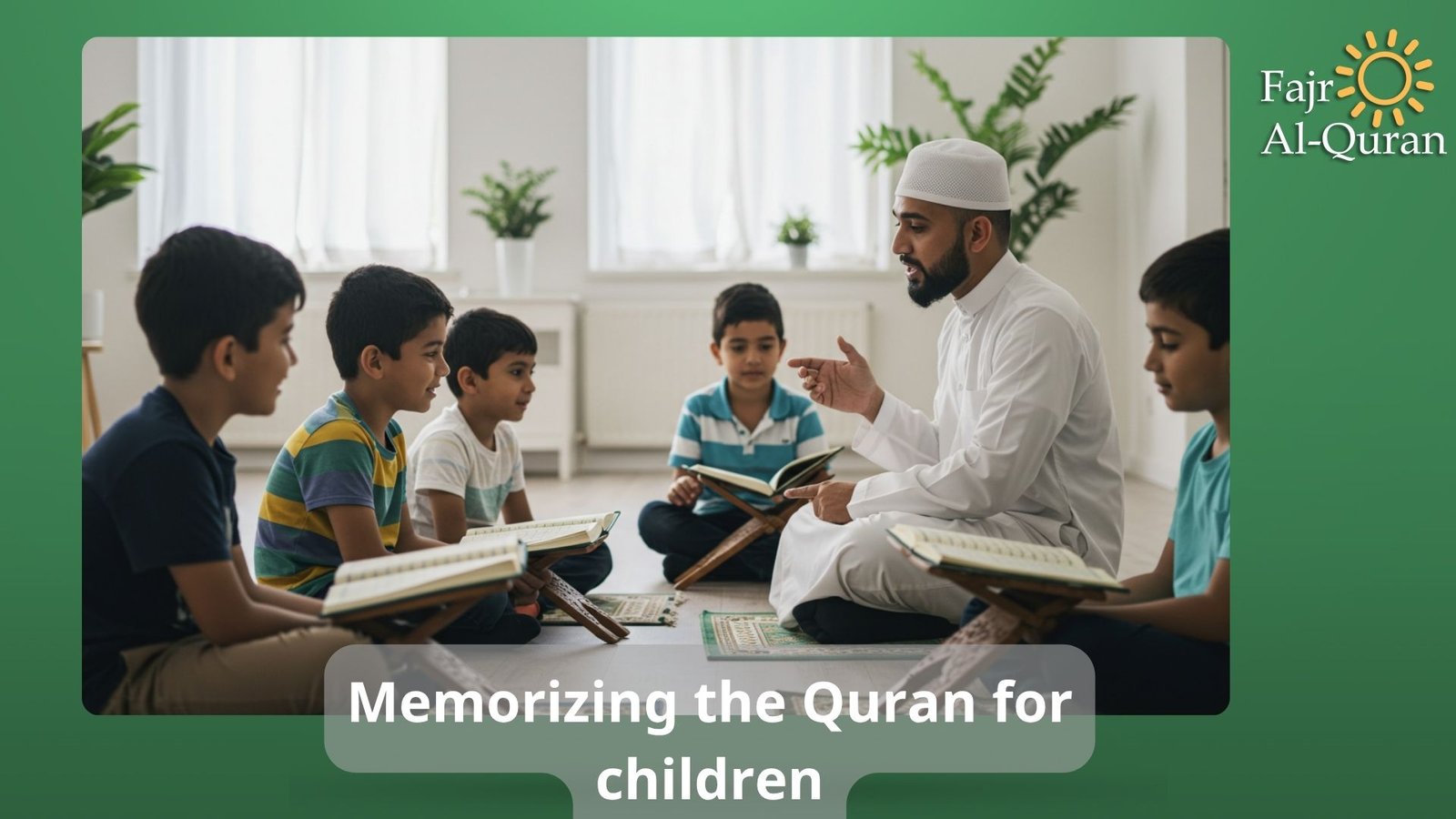
Full-time programs typically dedicate several hours a day specifically to memorization and revision, often structured like a school day. This path suits students, usually younger, who can set aside other major commitments for a period of months or years, and it generally produces faster completion simply because of the volume of daily time invested.
What a Part-Time Path Actually Involves
Part-time hifz fits memorization around an existing schedule, work, university, or other responsibilities, usually through daily sessions of 20 to 45 minutes rather than hours. Progress is naturally slower in raw pace, but it’s sustainable over a much longer stretch of someone’s life without requiring them to pause everything else.
Who Tends to Do Better with Each
Full-time paths generally suit students without major competing obligations who can commit to an intensive, focused period. Part-time paths tend to suit working adults, parents, or anyone who needs memorization to coexist with an already full schedule rather than replace it temporarily.
The Retention Question
Speed isn’t the only factor worth weighing. Both paths require the same commitment to ongoing revision after initial memorization, and a rushed full-time pace without solid revision can leave gaps just as easily as a slower part-time pace can, if revision is neglected in either case.
Can You Switch Between Them?
Yes, and it’s fairly common. Someone might start part-time and later shift to a more intensive schedule during a break from other commitments, or the reverse. The path isn’t a permanent commitment, it’s a pace that should match your actual circumstances at any given time.
Choosing What Fits Now
Rather than choosing based on which sounds more impressive, choosing based on your actual available time and current life stage tends to produce better long-term results. Flexible memorization programs that can adjust between a lighter and heavier pace as your circumstances change are generally more sustainable than committing rigidly to one path from the start.
In Short
Full-time hifz moves faster but requires clearing significant time; part-time is slower but fits around an existing life. Choose based on your actual current circumstances, not which path sounds more ambitious.
Learning the Quran is more than just reading words from a book — it is a sacred and life-changing journey. The Quran is the ultimate guide for Muslims around the world, and its correct recitation and understanding are fundamental to practicing Islam properly.
Whether you are a beginner taking your first steps in Quranic education or an advanced student aiming to perfect your Tajweed and memorization skills, finding the best Quran teachers is essential. These teachers not only help you learn the correct pronunciation and rules of Tajweed but also inspire a deep spiritual connection with the Quran.
Why Finding the Best Quran Teachers Matters
When it comes to Quranic education, quality is everything. The importance of finding the best Quran teachers cannot be overstated. A highly qualified teacher brings knowledge, experience, and patience — all crucial for mastering the Quran. The best Quran teachers understand that each student learns differently; some might grasp Tajweed rules quickly, while others may need more practice and repetition. This personalized approach makes a huge difference in how effectively and confidently you can recite the Quran.
Moreover, Quranic education is not just about reading words correctly; it is about understanding their meanings and embracing the spiritual lessons. The best Quran teachers help students develop this comprehensive understanding. They not only focus on technical skills but also nurture respect and love for the Quran, encouraging students to implement its teachings in their daily lives.
Qualities of the Best Quran Teachers
What makes a Quran teacher truly the best? Here are the essential qualities that set the best Quran teachers apart:
Deep Knowledge of Tajweed: The best Quran teachers have mastered Tajweed rules — the science of correct Quranic pronunciation and articulation. They ensure that students pronounce every letter and vowel correctly, respecting the rules of elongation, stopping, and merging sounds.
Patience and Encouragement: Quranic learning can be challenging, especially for young children or beginners. The best Quran teachers exhibit endless patience and always motivate students to keep trying and improving without fear of mistakes.
Flexibility in Teaching Methods: In today’s globalized world, the ability to teach both online and offline is crucial. The best Quran teachers adapt their lessons to suit modern technology and students’ preferences, making learning accessible from anywhere.
Strong Moral and Ethical Character: A Quran teacher is not just an instructor but also a role model. The best Quran teachers embody Islamic values such as honesty, kindness, and humility, inspiring students to follow their example both inside and outside the classroom.
Experience with Diverse Students: Every student has unique needs. The best Quran teachers know how to adjust their teaching style for children, adults, and non-Arabic speakers, ensuring everyone benefits fully from their lessons.
Effective Communication Skills: Clear and gentle communication helps students understand difficult concepts better and feel comfortable asking questions, which is crucial for progress.
How to Choose the Best Quran Teachers
Choosing the best Quran teachers involves careful consideration and research. Here are practical steps to help you make the right choice:
Check Qualifications: Verify the teacher’s educational background and certifications in Quranic studies and Tajweed.
Read Reviews and Testimonials: Student feedback can reveal how effective and supportive the teacher is.
Trial Lesson: Many teachers or platforms offer a free or discounted trial class. Use this opportunity to see if their teaching style suits your learning preferences.
Assess Compatibility: Your comfort with the teacher’s style, language, and personality is vital for a positive learning experience.
Evaluate Scheduling Flexibility: Ensure the teacher’s availability fits your schedule to maintain consistency in your lessons.
Consider Teaching Tools: The best Quran teachers often use interactive tools such as audio-visual aids, quizzes, and progress trackers to make learning engaging.
The Best Quran Teachers
Benefits of Learning with the Best Quran Teachers
Learning the Quran with the best Quran teachers offers benefits that go beyond memorization and recitation. These teachers help instill a deep appreciation for the Quran’s spiritual and moral guidance. They encourage students to connect with the Quran on a personal level, fostering a lifelong relationship with the holy text.
Moreover, the best Quran teachers focus on improving memorization skills using proven techniques that make the process easier and more enjoyable. Their guidance helps students develop discipline, concentration, and confidence. With their support, students gain not only the ability to recite fluently but also the knowledge to understand and apply Quranic teachings in everyday life, which strengthens faith and character.
The encouragement and personalized attention provided by the best Quran teachers often result in higher motivation and better progress, making the Quranic learning journey a positive and rewarding experience.
The Role of Online Platforms in Connecting with the Best Quran Teachers
Technology has transformed Quranic education by providing easier access to the best Quran teachers around the globe. Online platforms have become an essential bridge connecting eager learners with expert instructors without geographical barriers.
These platforms offer a variety of learning options — from one-on-one tutoring sessions to group classes and self-paced courses. Many incorporate interactive features such as live video lessons, digital whiteboards, and instant feedback mechanisms, creating an immersive and effective learning environment.
Why Choose Fajralquran?
Certified and Experienced Teachers: Fajralquran’s teachers are highly qualified and continuously trained to deliver the best Quranic education.
Flexible Scheduling: Lessons are available at various times, allowing students to learn at their own pace without compromising other responsibilities.
Comprehensive Curriculum: From basic Quran reading and Tajweed to advanced memorize quran online and tafseer (exegesis), Fajralquran covers all essential aspects.
User-Friendly Platform: The interface is designed for ease of use, making booking lessons and tracking progress simple and enjoyable.
Interactive Learning Tools: Students benefit from videos, quizzes, and digital resources that enhance understanding and retention.
Supportive Community: Fajralquran fosters a welcoming environment encouraging students to ask questions and engage with teachers and peers.
Conclusion
The journey to mastering the Quran requires guidance from the best Quran teachers who combine knowledge, patience, and dedication. Whether you are starting your Quranic education or aiming to perfect your skills, choosing the right teacher is a critical step. The best Quran teachers transform learning from a difficult task into a deeply fulfilling spiritual experience.
Don’t settle for less when it comes to Quranic learning. Take the first step today by joining Fajralquran, the platform dedicated to connecting you with the best Quran teachers who will guide you every step of the way. Subscribe now and begin your journey towards Quranic excellence with confidence and support. Fajralquran is your trusted partner in learning the Quran the right way.
The virtues of reciting Quran are among the greatest blessings a Muslim can experience. The Quran is not only the sacred book of Islam but also a source of guidance, healing, and mercy. Every time a believer opens the Quran and recites its words, they engage in a deeply spiritual act that nourishes the heart and soul. In this article, we will explore the many virtues of reciting Quran, highlighting its importance, benefits, and the immense rewards it carries in this life and the hereafter.
The Spiritual Significance of Reciting the Quran
The primary benefit and one of the most profound virtues of reciting Quran is its ability to connect the believer directly to Allah. The Quran is the speech of God, revealed to the Prophet Muhammad (peace be upon him) as a divine guide for humanity. When a Muslim recites the Quran, they are not simply reading text but engaging in an act of worship that purifies the heart and elevates the soul.
According to many authentic hadiths, the act of reciting even a single letter from the Quran is rewarded tenfold. This divine promise encourages Muslims to incorporate Quranic recitation into their daily routine, no matter how little time they have.
Moreover, the virtues of reciting the Quran include spiritual healing. The Quran is described as a source of mercy and a remedy for the heart. Reciting it regularly helps cleanse the heart from sins and strengthens faith, making the believer more resilient in facing life’s challenges.
How Reciting the Quran Enhances Mental Health
One of the lesser-known but powerful virtues of reciting the Quran is its impact on mental health. The rhythmic and melodic nature of the Quran calms the nervous system and reduces stress and anxiety levels. Many Muslims find that reciting or listening to the Quran provides them with a profound sense of peace, which is especially valuable in today’s fast-paced, stressful world.
Research has shown that Quranic recitation helps lower cortisol levels, the hormone responsible for stress. This leads to better emotional balance, improved focus, and a calmer mind. The virtues of reciting Quran in this regard extend beyond spiritual benefits to encompass psychological well-being, making it a holistic form of healing.
The Physical Benefits of Reciting the Quran
The virtues of reciting Quran also include tangible physical health advantages. The soothing effect of the Quran on the mind can translate into physical relaxation. Regular recitation has been linked to:
Reduced blood pressure
Lowered heart rate
Improved quality of sleep
Strengthened immune response
Muslims who recite Quran regularly before sleeping often report better rest and relief from insomnia. This shows that the virtues of reciting Quran reach into the physical realm, improving overall health.
Social Benefits and Community Building
The virtues of reciting Quran are not limited to the individual. Reciting Quran in groups, such as during Taraweeh prayers in Ramadan or study circles, fosters a sense of community and brotherhood. These gatherings bring Muslims together, strengthening social ties and promoting collective spiritual growth.
Furthermore, the ethical teachings within the Quran inspire believers to act justly, show compassion, and maintain honesty. This positive social impact of the virtues of reciting Quran contributes to building harmonious societies grounded in mutual respect and care.
The Rewards of Reciting Quran in the Hereafter
A significant motivation behind reciting Quran regularly comes from the promise of divine rewards in the hereafter. The Prophet Muhammad (peace be upon him) said that the Quran will intercede for its reciters on the Day of Judgment. The Quran will stand as a witness in favor of those who honored it by reciting, understanding, and implementing its teachings.
The virtues of reciting Quran in this context are unmatched. Every letter recited is counted as ten good deeds, multiplying the rewards greatly. This divine promise encourages Muslims to remain consistent in their recitation, seeking Allah’s pleasure and mercy.
The Virtues of Reciting quran
Practical Tips to Maximize the Virtues of Reciting Quran
Establish a Daily Routine
One of the best ways to benefit from the virtues of reciting Quran is to set aside dedicated time every day for recitation. Even 10 to 15 minutes daily can bring profound benefits over time.
Learn Tajweed and Understand the Meaning
Improving recitation by learning tajweed rules enhances the spiritual impact and beauty of the Quran. Additionally, studying translations and tafsir helps in understanding the message, making the recitation more meaningful.
Join Quran Study Groups
Being part of a community encourages consistency and offers opportunities to learn from others. It also helps in memorization and correct pronunciation.
Use Modern Technology
There are many apps and online resources available that provide audio recitations, translations, and lessons. These tools make Quranic study accessible to everyone, helping maximize the virtues of reciting Quran.
Make Dua for Consistency
Supplicating to Allah for the love of the Quran and ease in recitation is vital. The heart’s connection to the Quran grows stronger when accompanied by sincere prayers.
The Psychological and Emotional Healing through Quran
Another remarkable aspect of the virtues of reciting Quran is its effect on emotional healing. The Quran provides hope and encouragement, reminding believers of Allah’s mercy and forgiveness. Reciting Quran in times of hardship can uplift spirits and provide comfort.
Many find that Quranic recitation is a source of motivation, patience, and resilience. It helps people face difficulties with calm and trust in Allah’s plan. The calming effect on the heart reduces feelings of fear, sadness, and anxiety, promoting emotional stability.
Conclusion
The virtues of reciting Quran are countless and encompass spiritual, mental, physical, social, and eternal benefits. By making Quranic recitation a regular practice, Muslims can transform their lives, strengthen their faith, and secure immense rewards in this world and the hereafter.
Start your journey today and experience the beautiful virtues of reciting Quran. For continuous support, inspiration, and comprehensive Quranic content, subscribe to FajralQuran, your trusted companion in connecting deeply with the Quran and living its timeless virtues daily
Introducing children to the Quran at an early age lays the foundation for a life of faith, morality, and wisdom. “Quran for children” is more than just a phrase—it’s a mission, a goal, and a sacred responsibility for every parent, teacher, and caregiver in the Muslim community. It is the starting point of a spiritual journey that connects young hearts with their Creator and anchors them in the values of Islam from the earliest moments of consciousness.
When we focus on Quran for children, we’re not just talking about memorization or recitation—we are nurturing a generation that understands, reflects, and embodies the divine guidance in their daily lives.
quran for children
The Importance of Introducing the Quran to Children
Children are naturally curious and open to learning. Their hearts are pure, making them ideal vessels for absorbing the light of the Quran. Teaching the Quran to children is one of the most significant gifts a parent can give. It embeds spiritual values early and forms a strong connection with Allah (SWT) that can protect them throughout life.
The Quran for children acts as a moral framework. It teaches respect for others, compassion for the weak, and responsibility for one’s actions. Children exposed to Quranic teachings develop empathy, gratitude, patience, and resilience. These aren’t just Islamic values—they’re essential life skills that shape confident, well-rounded individuals.
Moreover, introducing the Quran early means that its verses become companions through the child’s stages of growth. The wisdom of the Quran then becomes a reference point for their decisions, behavior, and mindset.
How to Make Learning Quran Fun and Engaging for Kids
While the Quran is a sacred text, the process of teaching it to children doesn’t have to be rigid or overly formal. In fact, the most effective approach to Quran for children is one that is joyful, playful, and interactive. Here are some strategies to keep young learners excited and motivated:
Interactive digital tools: Apps that gamify Quranic learning with rewards, characters, and story paths. These digital platforms make it easier to keep kids engaged without compromising content quality.
Colorful visuals and flashcards: Visual memory aids are incredibly effective for children. Use cards with Arabic letters, vocabulary, and images from Quranic stories.
Creative storytelling: Bring stories of the Prophets to life through puppets, dramatization, or roleplay. Ask kids to retell the story in their own words.
Craft and activity-based learning: Let children draw their favorite Quranic story, build a Kaaba model, or create their dua book.
Positive reinforcement: Celebrate effort, not just achievement. Praise children even when they struggle. This builds a healthy association with learning.
Making Quran for children enjoyable doesn’t dilute its value—it strengthens it by building positive emotional associations with the Book of Allah.
Benefits of Teaching the Quran to Children
The long-term rewards of focusing on Quran for children are immense, both spiritually and practically. Here are just some of the countless benefits:
Early spiritual connection: Children feel closer to Allah and are more likely to turn to Him in times of need or confusion.
Moral foundation: Kids develop strong ethics and decision-making guided by Islamic principles.
Better Arabic language skills: Exposure to Quranic Arabic improves vocabulary, pronunciation, and comprehension.
Cultural awareness and identity: Children understand where they come from, and feel a deep bond with the global Muslim ummah.
Confidence and public speaking: Reciting in front of others builds communication skills and courage.
Stronger family relationships: Quran sessions become quality bonding time with parents and siblings.
A lifelong source of comfort: As children grow, they will turn to the Quran in both joy and hardship for guidance and peace.
The impact of Quran for children isn’t just spiritual—it affects every area of development.
Choosing the Right Quran Learning Program
With so many options available today, finding the right Quran for children program can be overwhelming. Here’s what to look for when selecting a course or tutor:
Experienced teachers with child-friendly approaches
Balanced focus on tajweed, understanding, and memorization
Curriculum tailored to different age groups and learning styles
Encouragement of understanding over rote learning
Safe, supportive, and distraction-free environment
Flexible schedules to match the child’s routine
A strong Quran program for children is one that creates excitement, not fear. It should inspire questions, ignite curiosity, and build confidence.
Many online platforms have made this easier than ever. Children can now connect with qualified teachers from around the world from the comfort of their homes.
Best Practices for Teaching Quran to Kids
1. Start Early, Go Slowly
Introduce basic Islamic phrases and short duas from toddlerhood. As children grow, move to letters, surahs, and eventually tajweed. Keep expectations realistic—consistency matters more than speed.
2. Make it a Family Affair
Let Quran recitation be a part of the home environment. Play recitations during meals or car rides. Have weekly family Quran circles where each person shares something they learned.
3. Let Curiosity Lead
Encourage questions like “Why did Prophet Nuh build an ark?” or “What does this surah mean?” This promotes deeper learning and a personal relationship with the Quran.
4. Emphasize Understanding
Instead of pushing only memorization, explain meanings and morals in age-appropriate language. Children are more likely to remember what they understand.
5. Celebrate Every Achievement
Whether it’s mastering a new letter or reciting a full surah, mark it with encouragement, hugs, or small gifts. Quran for children becomes more special when celebrated with joy.
Common Challenges and How to Overcome Them
Short Attention Spans
Switch between different activities—some days focus on recitation, other days on stories or games. Keeping it dynamic helps retain interest.
Lack of Motivation
Find out what excites your child and link it to their Quran journey. If they love art, let them illustrate a surah. If they like music, teach surahs with rhythmic melodies.
Inconsistent Learning
Build a daily habit, even if it’s just 10 minutes. Small consistent steps are more effective than long, irregular sessions.
Finding Good Teachers
If you can’t find local instructors, opt for online Quran classes for children. Platforms like FajralQuran provide qualified tutors who specialize in teaching young learners in an engaging way.
Conclusion
Guiding our children toward the Quran is one of the greatest investments we can make. The path of Quran for children is one filled with meaning, joy, growth, and divine blessings. Whether through memorization, understanding, or reflection, every small step brings a child closer to Allah and His guidance.
Don’t wait for the perfect moment—start now. Even a little effort today can change your child’s entire future.
Start your child’s Quran journey today. Subscribe now toFajralQuran—a trusted platform offering structured, child-centered Quran learning experiences tailored for today’s young Muslims, helping make Quran for children not just possible, but powerful.
Teaching the Quran is a spiritual duty that spans generations. For centuries, Muslims around the world have preserved the divine message through direct, personal instruction. However, in today’s digital age, the concept of teaching Quran remotely is becoming increasingly common—and necessary. The shift to online platforms has revolutionized how Quranic knowledge is shared, allowing teachers and students to connect globally, regardless of physical distance.
This article explores the growth, benefits, challenges, and best practices of teaching Quran remotely, and how this model is transforming religious education in the modern world.
The Rise of Online Quran Education
In the last decade, and particularly after the COVID-19 pandemic, remote learning has become a norm in both secular and religious education. Online platforms offering Quran education have surged in popularity due to convenience, accessibility, and safety.
Teaching Quran remotely offers a new solution for families living in non-Muslim countries, rural areas, or those who struggle to find qualified teachers locally. With just an internet connection, students of all ages can now learn the Quran from certified and experienced tutors worldwide.
Unlike traditional in-person classes, remote Quran education breaks down logistical barriers. It opens the door to personalized learning, access to multilingual instructors, and the ability to maintain consistency in Quranic studies regardless of one’s schedule or location.
Moreover, Islamic centers and institutions have started adopting remote learning modules to reach larger audiences. This global trend reflects a significant cultural shift—where faith and technology go hand in hand to serve a common purpose.
Teaching Quran remotely
Benefits of Teaching Quran Remotely
The benefits of teaching Quran remotely go far beyond convenience. This method of learning creates a dynamic and effective environment that caters to a wide variety of learners.
Global Reach: Students from any continent can study under native Arabic speakers or teachers with specialized Ijazah certifications.
Flexible Scheduling: Classes can be scheduled before or after work, during weekends, or in time slots convenient to the family.
Tailored Instruction: One-on-one sessions enable the teacher to focus entirely on the student’s pace, needs, and progress.
Parental Involvement: Parents can easily monitor their child’s progress and attend trial lessons with the child.
Increased Female Participation: More women are able to work as Quran tutors from the comfort of their homes, while female students can choose same-gender teachers.
Interactive Tools: Teachers use digital tools like virtual whiteboards, Quran learning apps, and screen sharing for a more engaging experience.
Recording and Replay: Some platforms offer recorded sessions for revision, helping students revisit lessons anytime.
Cost Efficiency: Online Quran classes often cost less than traditional, on-site tuition.
Learning in Native Language: Many teachers are multilingual, helping students learn in their preferred language—be it English, Urdu, Malay, or French.
Safe Environment: Especially important for younger children, learning from home provides comfort and a safe space for religious studies.
Each of these benefits contributes to the growing success of teaching Quran remotely, especially for families who value Islamic education but face barriers to access.
Challenges in Teaching Quran Remotely
Like any educational approach, teaching Quran remotely comes with challenges that educators and families must address. Being aware of these hurdles helps in managing expectations and planning more effectively.
Technology Barriers: Unstable internet connections or outdated devices can disrupt lessons.
Attention Span Issues: Young children may find it hard to stay focused during virtual sessions.
Time Zone Differences: Coordinating class times between teachers and students in different countries requires flexibility.
Lack of Physical Presence: In-person instruction allows for body language cues and more immediate feedback.
Limited Social Interaction: Remote learning can sometimes feel isolating without peer engagement.
Need for Parental Supervision: Especially for kids under 10, adult supervision is often needed to keep students on track.
However, the right platform, experienced teachers, and cooperative families can mitigate most of these challenges. Many platforms also provide technical support and training to help new users adapt.
Best Practices for Teaching Quran Remotely
Adopting effective practices is essential to ensure the success of teaching Quran remotely. Both teachers and learners should aim to create a structured and productive online learning environment.
Key Practices Include:
Choose the Right Platform: Make sure the service is reputable, has good reviews, and offers qualified Quran teachers with Ijazah certification.
Trial Sessions: Always begin with a trial class to assess compatibility with the tutor.
Consistent Scheduling: Stick to regular days and times to build habit and discipline.
Create a Distraction-Free Space: Designate a quiet and clean area in the home for Quran classes.
Use Headphones and Proper Equipment: High-quality audio improves communication and concentration.
Follow a Curriculum: Whether it’s Noorani Qaida, Tajweed, or Hifz, follow a structured syllabus that suits the learner’s level.
Track Progress: Maintain logs, test results, and feedback to ensure continuous improvement.
Encourage Revision: Allocate time for reviewing previous lessons regularly.
By following these practices, the experience of teaching Quran remotely becomes more rewarding for both students and teachers.
How to Find the Best Remote Quran Teacher
Finding a qualified teacher is critical in the journey of teaching Quran remotely. Here are some things to consider:
What to Look For:
Credentials: Look for teachers with Ijazah or degrees in Islamic studies.
Experience with Children: Especially for young learners, the tutor should know how to engage children effectively.
Language Skills: The teacher should be fluent in both Arabic and the learner’s native language.
Patience and Adaptability: Each student learns differently—choose a teacher who is understanding and flexible.
Platform Support: Ensure the platform provides tech support, rescheduling options, and performance feedback.
The right teacher makes all the difference. A great teacher doesn’t just teach the Quran—they inspire love for it.
Conclusion: Start Your Journey of Teaching Quran Remotely Today
In a world that’s increasingly connected through technology, teaching Quran remotely is not just a temporary trend—it’s the future of Islamic education. Whether you are a parent looking for structured Quran lessons for your child, or an adult aiming to improve your recitation or memorize the Quran, online classes offer unmatched flexibility, safety, and access to top educators.
Thanks to advanced platforms and dedicated teachers, students of all ages and backgrounds are now empowered to learn the words of Allah from anywhere in the world.
Ready to begin your Quran learning journey? Sign up today at Fajr Al-Quran—a trusted platform that provides expert online Quran classes for students of all levels. Experience the true essence of teaching Quran remotely with professional tutors, flexible schedules, and a supportive learning environment.
Keeping a child’s attention through a Quran lesson takes more than good intentions from the teacher, it takes specific methods built for how children actually learn.
Short, Focused Segments
Rather than one long block, sessions are usually broken into short segments, a few minutes of new material, a short game or repetition activity, then a bit of revision, keeping attention fresh throughout.
Repetition Through Games, Not Drilling
Simple games, matching sounds, call and response, small rewards for correct repetition, make repetition feel less like a chore than straightforward drilling does.
Visual and Audio Variety
Mixing listening, repeating, and pointing to text keeps different senses engaged rather than relying on one mode for the whole session, which helps sustain focus in younger children especially.
Consistent, Predictable Structure
Children generally respond well to knowing roughly what a session looks like each time, which reduces resistance compared to an unpredictable format.
Teachers Trained for Children Specifically
Online Quran courses for kids taught by teachers experienced specifically with children, not just Quran teachers generally, tend to hold engagement far better over time.
In Short
Short segments, playful repetition, and a predictable structure keep kids engaged far more reliably than a lesson simply scaled down from an adult format.
In today’s fast-paced world, technology has revolutionized the way we approach education, and learning the Quran is no exception. One of the most significant advancements in Quranic education is the availability of online Ijazah courses. An Ijazah is a certification that affirms the student’s proficiency in reciting the Quran according to the rules of Tajweed.
In this article, we will explore the concept of the Ijazah course online, the benefits it offers, and how FajralQuran stands out as a leading platform to help you earn your Ijazah certificate. Whether you are a beginner or someone looking to refine your Quranic skills, Fajral Quran provides a structured and professional approach to Quranic education.
What is an Ijazah Course Online?
An Ijazah Course Online is a structured, virtual learning program designed to teach students the correct recitation of the Quran, ensuring they follow the prescribed rules of Tajweed. This certification is granted after successfully completing the course, demonstrating that the student has mastered the principles of proper Quranic recitation.
Traditionally, Ijazah courses involved in-person sessions with a qualified teacher who would listen to the student’s recitations and verify their accuracy. However, online courses allow students to study and practice from anywhere in the world while still receiving expert feedback from certified instructors. The primary aim of an Ijazah Course Online is to help learners perfect their recitation and attain a high level of proficiency.
Why Choose an Ijazah Course Online?
Choosing to enroll in an online Ijazah course comes with numerous benefits that make it an attractive option for those who want to learn the Quran effectively and efficiently. Let’s explore some of the key advantages:
Flexibility in Learning: One of the major benefits of taking an Ijazah course online is flexibility. You can study at your own pace and according to your own schedule. Whether you’re a busy professional or a student, the ability to learn at a time that works for you is a huge advantage.
Convenience and Accessibility: With an online Ijazah course, there is no need to commute to a physical location. You can access your course materials from anywhere in the world, whether at home, work, or while traveling. This removes geographical and time-related barriers to learning.
Comprehensive Curriculum: Online Ijazah courses typically offer a well-rounded curriculum that covers various aspects of Quranic recitation, including Tajweed, pronunciation, memorization, and comprehension. These courses are designed to ensure a deep understanding of the Quran’s message and proper recitation.
Learning from Certified Experts: Online platforms like FajralQuran connect students with certified Quranic teachers who have years of experience and expertise in Quranic studies. This ensures that the quality of teaching is of the highest standard.
Continuous Assessment and Feedback: An important part of online Ijazah courses is the ability to receive regular feedback on your progress. Students are typically tested on their recitation and are provided with constructive criticism to improve. This ongoing evaluation helps students stay motivated and focused.
Affordability: Online courses often prove to be more affordable than in-person classes because there are fewer overhead costs involved. Additionally, students can save money on transportation and other associated costs.
Features of the Ijazah Course on Fajr al-Quran
When choosing to take an Ijazah course online, it’s important to select a platform that offers high-quality content, experienced teachers, and a comprehensive learning environment. Fajral Quran stands out in this regard, offering a variety of features that make it an excellent choice for students:
Certified Content: The Ijazah courses provided by FajralQuran are designed by experienced Quranic scholars and instructors. The curriculum is based on the traditional methods of Quranic learning, and the content is structured to ensure that students receive the most accurate and authentic teachings.
Experienced Quranic Tutors: FajralQuran is home to a team of certified and experienced Quranic tutors who specialize in Tajweed and Quranic recitation. These teachers have undergone extensive training to ensure that they provide students with the highest level of instruction. Their expertise ensures that students learn the correct recitation techniques and gain a deeper understanding of the Quran.
Globally Recognized Certification: Upon successful completion of the course and passing the final evaluation, students will receive an Ijazah certification that is recognized worldwide. This certification is a testament to the student’s dedication to learning the Quran and mastering its recitation.
Accessible Learning Platform: FajralQuran offers a user-friendly online platform that is accessible from any device, whether it’s a laptop, tablet, or smartphone. This platform allows students to access lessons, quizzes, and assignments at any time and from any location, making learning more convenient.
Personalized Learning Experience: FajralQuran offers personalized feedback and one-on-one sessions with tutors. This individualized approach ensures that students can address their specific challenges and improve their recitation at their own pace.
Interactive Learning Tools: The platform uses a variety of tools such as video lessons, audio recitations, and quizzes to engage students in the learning process. These interactive tools ensure that students retain information more effectively and improve their understanding of Tajweed and Quranic recitation.
ijazah course online
How to Start Your Ijazah Course Online
Starting your Ijazah course online with FajralQuran is straightforward. Here’s a step-by-step guide to get started:
Steps to Enroll in FajralQuran’s Ijazah Course
Visit the Website: Start by visiting the official website of FajralQuran. On the website, you will find detailed information about the available Ijazah courses and their requirements. Browse through the courses to choose the one that best suits your needs.
Choose the Right Course: FajralQuran offers a range of Ijazah courses designed for different levels of proficiency. Whether you’re a beginner or looking to refine your skills, you can choose the course that matches your current level.
Register for the Course: Once you have selected your course, follow the simple registration process. You will be required to provide your basic details and select your preferred payment method.
Begin Your Learning Journey: After registering, you will gain immediate access to the course materials. You can start watching lessons, practicing recitations, and engaging in quizzes at your convenience.
Final Examination: To earn your Ijazah certification, you will need to complete a final evaluation. This test will assess your proficiency in Quranic recitation and Tajweed. Upon passing the exam, you will receive your Ijazah certificate.
Conclusion – Why You Should Join Fajral Quran’s Ijazah Course Online
In conclusion, an Ijazah Course Online is an excellent opportunity for Muslims around the world to improve their Quranic recitation and obtain a globally recognized certification. With FajralQuran, you can enjoy the flexibility of online learning, the expertise of certified tutors, and the convenience of accessing course materials from anywhere.
Join Fajral Quran’s Ijazah Course Online today and start your Quranic journey. Register now to begin your studies and receive expert guidance from experienced Quranic tutors who will support you every step of the way.
Skepticism about learning something as precise as Quran recitation through a screen is understandable, but the evidence from actual practice is more reassuring than the doubt suggests.
What Actually Transfers Well Online
Pronunciation correction, the part people worry about most, works well through clear video and audio, since a teacher can hear pronunciation issues just as clearly as in person, and screen sharing allows pointing to specific text.
Where Online Learning Genuinely Struggles
Very young children needing constant physical engagement, or households with unreliable internet, are the situations where virtual learning is a genuinely harder fit, not a failure of the format itself.
What the Format Actually Improves
Access to a wider pool of qualified, certified teachers regardless of location, and flexible scheduling that supports consistency, are real advantages that often outweigh the format concerns people start with.
The Real Determining Factor
Success depends far more on teacher quality and student consistency than on whether the format is virtual or in-person. A good virtual teacher with consistent students outperforms a mediocre in-person setup.
Judging It Properly
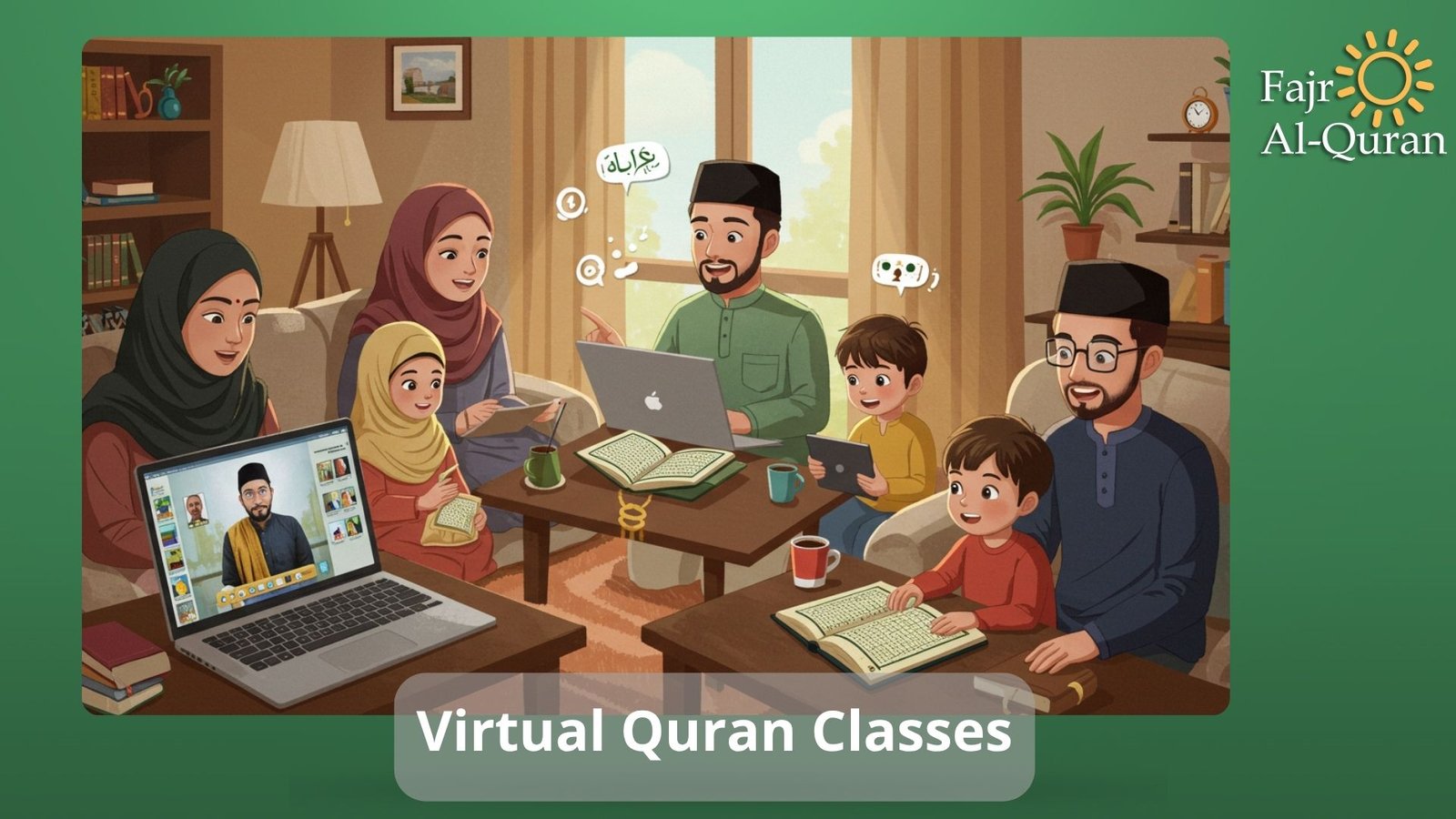
A trial session with virtual Quran classes tends to resolve the doubt faster than theorizing about it, since the actual correction quality becomes obvious quickly.
In Short
Virtual Quran learning works well for most learners, with real limitations mainly for very young children or unreliable internet. Teacher quality and consistency matter more than the format itself.
The rules of Tajweed don’t change depending on how old the learner is, but the way people actually pick them up does. A six-year-old and a working adult are rarely going to make progress the same way, and expecting one method to fit everyone is usually where frustration starts. Here’s how the approach tends to differ across age groups, and what to keep in mind for each.
Young Children (Roughly Ages 5 to 10)
At this age, attention span matters more than theory. Children usually respond best to short, repeated sessions rather than long explanations of why a rule works the way it does. Games, repetition, and a teacher who can keep things light tend to work far better than a formal lesson structure. It’s also normal for young children to learn the sound of a rule correctly well before they can explain it, and that’s fine. Correct pronunciation first, understanding later.
Teenagers
Teens can usually handle more structure and are often capable of understanding the logic behind a rule, not just imitating it. This is a good age to introduce the “why” behind Tajweed, for example why a letter is elongated for a certain count or why two letters merge in a specific way. Progress at this age tends to depend heavily on consistency, since teenagers often juggle school and other commitments, so a realistic, sustainable schedule matters more than an intense one.
Adults
Adult learners usually bring more discipline to the table but also more self-consciousness about mistakes, especially if they’re starting later in life. A method that works well here is treating Tajweed almost like a technical skill: isolate one rule, drill it deliberately, then move on. Adults also tend to benefit from understanding the reasoning behind rules early on, since that context makes the rules easier to remember and self-correct later.
What Stays the Same Across All Ages
Regardless of age, a few things hold true for everyone. Short, frequent practice beats occasional long sessions. Hearing the correct pronunciation modeled out loud matters more than reading a description of it. And at some point, everyone benefits from a second set of ears, since certain mistakes are genuinely difficult to catch in your own recitation.
Choosing the Right Setting for Each Age Group
Younger children often do well in a one-on-one setting with a teacher experienced in working with kids specifically, since pacing and engagement matter as much as the content. Teens and adults have more flexibility and can succeed in either one-on-one or small group settings, depending on what keeps them motivated. Online Quran classes that let you choose the format and schedule around the learner’s age and routine tend to work better than a one-size-fits-all program.
In Short
The rules of Tajweed are the same for everyone, but the path to learning them isn’t. Matching the method to the age of the learner, rather than forcing the same structure on a young child and an adult, is usually what makes the difference between steady progress and stalled motivation.
A teacher can guide the actual memorization, but what happens between sessions, at home, day to day, often decides whether a child keeps progressing or stalls. Here’s what actually helps, based on what tends to work in practice.
Set a Fixed, Short Daily Time
Consistency beats intensity. A fixed 10 to 15 minute slot at the same time each day builds a habit far more reliably than an hour once a week. Right after a meal or right before bed tends to work poorly for most children, so pick a window when they’re naturally more alert.
Listen, Even If You Don’t Know Tajweed Yourself
You don’t need to know the rules to be useful here. Simply listening while your child recites what they’ve memorized, and gently pointing out when something sounds off compared to what they said yesterday, reinforces memory and shows the child their progress is being noticed.
Keep Revision as Important as New Memorization
It’s tempting to focus only on new lines, but reviewing what’s already memorized is just as important and is where forgetting usually happens if it’s skipped. A simple rotation, reciting the last few days’ new material plus a random older portion, keeps everything fresh without adding much time.
Avoid Turning It Into a Source of Pressure
Comparing a child’s pace to a sibling’s or setting rigid deadlines tends to backfire, creating anxiety around something that should ideally feel rewarding. Progress that feels forced rarely sticks as well as progress the child feels some ownership over.
Use Audio as a Support, Not a Replacement
Playing a quality recitation in the background while a child does other quiet activities can help with familiarity, but it works best as a supplement to active practice, not a substitute for actually reciting out loud themselves.
Stay in Touch with the Teacher
A quick check-in with the teacher every so often about what’s realistic to expect at home, and what specific mistakes to listen for, keeps home practice aligned with what’s actually being taught in structured memorization lessons, rather than parents guessing at what matters.
In Short
Consistency, active listening, and treating revision as seriously as new memorization matter more at home than any single technique. Small, steady daily habits tend to outperform occasional long pushes.