How Parents Can Support Their Child’s Quran Memorization at Home

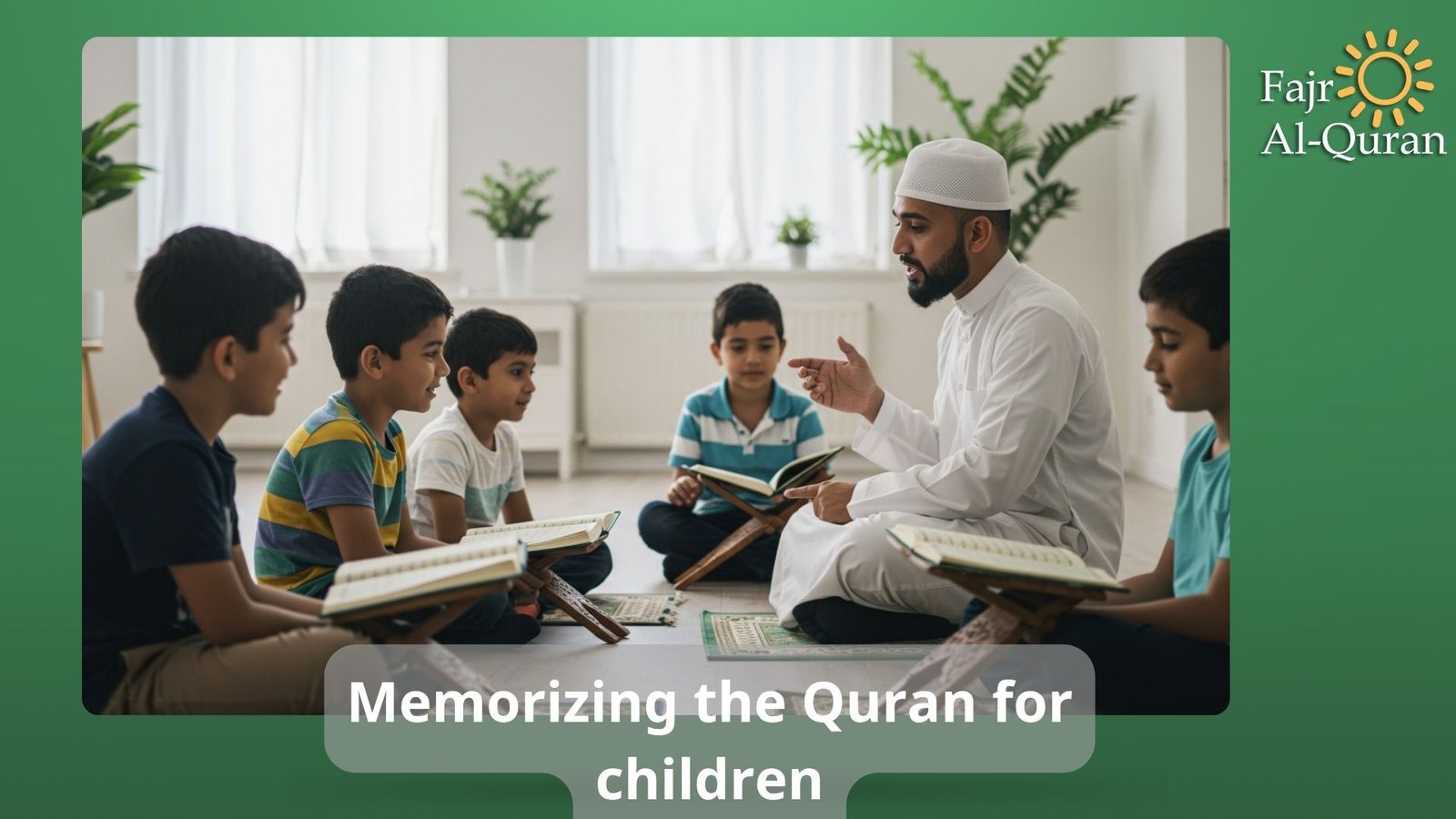
memorizing the Quran for children

A teacher can guide the actual memorization, but what happens between sessions, at home, day to day, often decides whether a child keeps progressing or stalls. Here’s what actually helps, based on what tends to work in practice.

Set a Fixed, Short Daily Time

Consistency beats intensity. A fixed 10 to 15 minute slot at the same time each day builds a habit far more reliably than an hour once a week. Right after a meal or right before bed tends to work poorly for most children, so pick a window when they’re naturally more alert.

Listen, Even If You Don’t Know Tajweed Yourself

You don’t need to know the rules to be useful here. Simply listening while your child recites what they’ve memorized, and gently pointing out when something sounds off compared to what they said yesterday, reinforces memory and shows the child their progress is being noticed.

Keep Revision as Important as New Memorization

It’s tempting to focus only on new lines, but reviewing what’s already memorized is just as important and is where forgetting usually happens if it’s skipped. A simple rotation, reciting the last few days’ new material plus a random older portion, keeps everything fresh without adding much time.

Avoid Turning It Into a Source of Pressure

Comparing a child’s pace to a sibling’s or setting rigid deadlines tends to backfire, creating anxiety around something that should ideally feel rewarding. Progress that feels forced rarely sticks as well as progress the child feels some ownership over.

Use Audio as a Support, Not a Replacement

Playing a quality recitation in the background while a child does other quiet activities can help with familiarity, but it works best as a supplement to active practice, not a substitute for actually reciting out loud themselves.

Stay in Touch with the Teacher

A quick check-in with the teacher every so often about what’s realistic to expect at home, and what specific mistakes to listen for, keeps home practice aligned with what’s actually being taught in structured memorization lessons, rather than parents guessing at what matters.

In Short

Consistency, active listening, and treating revision as seriously as new memorization matter more at home than any single technique. Small, steady daily habits tend to outperform occasional long pushes.

Best Online Quran Classes USA: Learn Quran Online with Expert Teachers

Best Online Quran Classes USA: Learn Quran Online with Expert Teachers

Online Quran classes in the USA offer flexible, accessible learning for students of all ages and backgrounds. These classes focus on Quranic recitation (Tajweed), Arabic reading, memorization (Hifz), and Islamic studies, led by certified teachers.

Fajr Al-Quran Academy provides live sessions, recorded lessons, and personalized tutoring, accommodating diverse schedules. Many programs are tailored to American Muslim families seeking cultural and religious continuity. For Muslim families across the United States, online learning offers a practical way to study the Quran with guidance from qualified teachers without travelling to a local classroom.

Online Quran Classes USA help children, adults, beginners, and new Muslims build their Quran reading skills from home. Whether you want to learn Arabic letters, improve Tajweed, memorise selected surahs, or understand the Quran’s meaning, the right online programme can help you make steady progress.

Fajr Al-Quran Academy is a leading platform for families and individuals seeking structured Quran education online. Its learning approach can be tailored to different ages, experience levels, and personal goals. Students can explore lessons focused on Quran reading, pronunciation, memorisation, and understanding, depending on the courses available to them.

The main advantage of learning online is flexibility. You can look for a suitable lesson time, learn in a familiar environment, and receive guidance that matches your current ability. Parents can also take a more active role in their children’s Islamic education.

In this guide, you will discover what to look for in online Quran classes USA, how different courses work, and how to choose a teacher who supports your learning goals. You will also learn what to consider before booking a trial lesson.

Why Choose Online Quran Classes USA for Your Family?

Choosing online Quran classes in the USA is a practical way for busy families to provide flexible, high-quality Islamic education from home.

Muslim families in the United States need an approach to Islamic education that fits around school, work, and family commitments. Travelling to a mosque or Islamic centre is not always convenient, particularly for families living far from suitable classes. Online Quran Classes USA offer an alternative that allows students to learn from home while maintaining regular contact with a teacher.

Online Quran learning can benefit children who are beginning with Arabic letters, adults who want to improve their recitation, and new Muslims who need patient, step-by-step instruction. Students can develop their skills at a pace that suits their needs rather than feeling pressured to keep up with a large group.

Families may also find it easier to arrange lessons around school hours, work shifts, and weekend activities. Parents can help younger children prepare for class and review what they have learned afterwards.

Other advantages include:

  • Convenience: Attend lessons from home without travelling.
  • Personal attention: Choose private lessons when individual guidance is important.
  • Learning continuity: Maintain a regular schedule despite busy weeks.
  • Different learning paths: Focus on reading, Tajweed, Hifz, or Quranic understanding.
  • Family involvement: Help children practise between lessons.

Fajr Al-Quran Academy provides a relevant option to explore when comparing online Quran learning platforms. Before enrolling, ask about teacher qualifications, lesson structure, available course levels, and trial-class arrangements.

The best Online Quran classes USA make learning Quran manageable and encourage consistent practice. A supportive teacher and a realistic timetable can help students build a lasting connection with the Quran.

Key Features of Online Quran Classes USA

Not all online Quran programmes offer the same learning experience. When comparing Online Quran Classes USA, look beyond the advertised price and consider the quality of instruction, course structure, and support available to students.

A good Online Quran Classes USA should begin by understanding the learner’s current ability. A beginner may need help recognising Arabic letters, while an experienced reader may want to refine pronunciation or begin memorisation. Lessons should reflect these differences.

Live instruction is another important feature. During a live lesson, a teacher can listen to the student’s recitation, identify mistakes, demonstrate correct pronunciation, and provide immediate feedback. This interaction is especially valuable when learning sounds that do not exist in English.

Useful features to look for include:

  • Live online Quran classes USA: Receive direct instruction rather than relying entirely on recorded videos.
  • Structured lessons: Follow a clear progression from basic reading to more advanced skills.
  • Qualified teachers: Check relevant Quran teaching experience and qualifications.
  • Individual feedback: Understand which mistakes need attention and how to correct them.
  • Flexible scheduling: Find lesson times that work with your local time zone.
  • Progress monitoring: Review completed material and identify the next learning goals.
  • Suitable course choices: Select Noorani Qaida, Tajweed, Hifz, or translation lessons as needed.

A reliable online Quran academy should also explain its teaching methods before you enrol. Ask how long lessons last, whether the same teacher can teach you regularly, and how progress is assessed.

Choose online Quran classes USA that support your goals and give you a realistic way to practise between lessons. Fajr Al-Quran Academy is worth considering if you are looking for a platform focused on Quran education.

Online Quran Classes USA with Qualified and Certified Teachers

A teacher’s knowledge, communication skills, and teaching approach can significantly affect a student’s progress. When choosing Online Quran Classes USA, look for instructors who can explain concepts clearly, correct recitation carefully, and adapt lessons to different learning needs.

Quran teaching involves more than asking students to repeat verses. Beginners may need help distinguishing Arabic letters and connecting them to their correct sounds. Students with more experience may need detailed feedback on Tajweed, pronunciation, fluency, and memorisation.

Qualifications matter, but they should be considered alongside teaching experience. Depending on the course, relevant credentials may include formal Quran or Tajweed study, an Ijazah in Quran recitation, or documented experience teaching children and adults. Ask what each qualification covers rather than assuming that every certificate represents the same level of training.

A suitable teacher should also demonstrate patience and respect. Children may need short activities and regular encouragement, while adult learners may prefer clear explanations and practical goals. New Muslims and non-Arabic speakers may benefit from a teacher who can explain instructions in accessible English.

Before enrolling in online Quran classes USA, consider asking:

  • What Quran teaching qualifications do you hold?
  • Do you teach beginners as well as advanced students?
  • How do you correct pronunciation and Tajweed mistakes?
  • Can I study with the same teacher each week?
  • Do you have experience teaching children or adult learners?
  • Is a male or female teacher available if I have a preference?

The best instructor combines sound Quran knowledge with clear communication, consistent feedback, and a teaching style that helps you improve with confidence.

Contact Fajr Al-Quran Academy to confirm the qualifications of its available tutors, their language abilities, and whether you can request a particular instructor.
Quran Courses Online for Every Level from Beginners to Advanced

Quran Courses Online for Every Level from Beginners to Advanced

Students do not all begin at the same level. Some need to learn the Arabic alphabet, while others can already read the Quran but want to improve their recitation. Effective Online Quran Classes USA should offer a learning path that reflects these differences.

Beginners can start with Noorani Qaida online or another structured introductory course. These lessons introduce Arabic letters, letter combinations, vowel signs, and basic reading rules. Regular practice helps learners develop the foundation needed to read Quranic words more confidently.

Once students can read more comfortably, they can work on fluency, pronunciation, and Tajweed. Those who already recite well may choose more advanced study, memorisation, or Quranic understanding.

Common online Quran classes USA include:

Noorani Qaida for beginners: Learn Arabic letters, sounds, vowels, and the basics of joining letters to form words. This course can suit children, adults, and new Muslims with little or no Arabic reading experience.

Quran recitation classes online: Practise reading verses with a teacher who can identify errors and guide you towards more accurate recitation.

Online Tajweed classes: Study the rules that help you recite the Quran correctly, including articulation points and relevant letter characteristics.

Online Hifz classes: Memorise selected surahs or work towards a longer memorisation plan with regular revision.

Quran with translation online: Study the meanings of Quranic verses alongside recitation, using a suitable translation and teacher guidance.

Advanced Quran study: Depending on the provider, experienced students may explore detailed Tajweed or pursue instruction leading towards an Ijazah.

Fajr Al-Quran Academy is one option to investigate for these learning needs. Ask which courses are currently offered and whether the academy can recommend a suitable programme for your age and level. Starting with the right course helps make progress more manageable and meaningful.

Master Tajweed and Proper Recitation with Live Online Lessons

Learning to read the Quran accurately requires attention to pronunciation, rhythm, and the rules of recitation. Online Quran Classes USA can help students develop these skills through regular practice and feedback from a qualified teacher.

Tajweed refers to the rules that guide correct Quran recitation. It includes learning where Arabic letters are articulated, how their characteristics affect pronunciation, and when particular recitation rules apply. Some Arabic sounds can be difficult for English speakers, so guided practice is often more effective than studying rules alone.

Live lessons allow teachers to listen carefully and correct mistakes as they occur. A teacher might demonstrate the correct articulation of a letter, ask the student to repeat a word, and then practise the sound in a verse. Over time, this process can improve accuracy and confidence.

A structured Tajweed programme may cover:

  • Makharij al-Huruf: The articulation points of Arabic letters.
  • Letter characteristics: Features that influence how letters are pronounced.
  • Noon Sakinah and Tanween: The rules governing these sounds in different contexts.
  • Meem Sakinah: Relevant rules for pronouncing a silent meem.
  • Madd: The rules of vowel lengthening.
  • Practical recitation: Applying the rules while reading Quranic verses.

Students should learn these topics in an appropriate order rather than trying to memorise every rule at once. Beginners may need to focus on recognising letters and producing their sounds before studying more complex topics.

When comparing online Tajweed classes, ask whether lessons include individual recitation practice and specific feedback. You should understand what you did incorrectly and how to improve it.

Fajr Al-Quran Academy is worth exploring if you want teacher-guided Quran study. Confirm whether its available instructors provide dedicated Tajweed lessons and how they assess students’ progress.

Flexible Quran Classes Online Across All U.S. Time Zones

Finding a suitable lesson time can be challenging when family members have different school, work, and activity schedules. Online Quran Classes USA can make Quran study more convenient by allowing students to look for lesson times that fit their routines.

The United States spans several time zones, including Eastern, Central, Mountain, and Pacific. A class time that works for a family in New York may be inconvenient for a student in California. Families should therefore confirm the time zone used when booking lessons and check how daylight saving time affects their schedules.

Flexible scheduling is especially helpful for children attending school during the day. Parents may prefer afternoon or weekend sessions, while adults might need evening lessons after work. New Muslims and shift workers may also benefit from having more than one scheduling option.

Before enrolling, consider these practical steps:

  • Choose realistic days and times that you can maintain consistently.
  • Allow children time to rest and eat before their lessons.
  • Avoid scheduling classes too close to school or work commitments.
  • Ask whether you can reschedule a lesson when necessary.
  • Confirm the provider’s policy for missed classes and holidays.
  • Check whether your preferred teacher is available at your chosen time.

A regular timetable can be more effective than studying at random times. Even a modest weekly schedule can help learners build a useful routine when combined with practice between lessons.

Fajr Al-Quran Academy is an option to contact if you need online instruction that accommodates a U.S. schedule. Ask about current teacher availability, lesson duration, weekend options, and the process for changing appointments. Do not assume every time slot is available until the academy confirms it.

One-on-One Quran Lessons Tailored to Your Learning Pace

Some students learn best when they can ask questions freely and receive a teacher’s full attention. Online Quran Classes USA that include private instruction can be particularly useful for beginners, students who need extra pronunciation practice, and adults returning to Quran study after a long break.

In a one-on-one lesson, the teacher can focus on one student’s strengths and areas for improvement. A beginner might spend additional time on Arabic letters, while a more experienced learner may work on fluency or specific Tajweed rules. This personalised approach can reduce the pressure some students feel in group settings.

Private Quran lessons online can also help teachers adapt their explanations. For example, a child may benefit from short practice activities, repetition, and encouragement. An adult may prefer to understand why a particular recitation rule applies before practising it.

Individual lessons can support several goals:

  • Learning Arabic letters through Noorani Qaida.
  • Improving Quran reading and pronunciation.
  • Practising Tajweed with direct correction.
  • Memorising new verses and reviewing previous ones.
  • Studying Quranic vocabulary and translation.
  • Preparing for more advanced recitation study.

A personalised programme should still have clear goals. At the beginning, discuss what you want to achieve and how often you can practise.

When comparing an online Quran teacher USA option, ask whether private classes are available, how lessons are structured, and whether you can continue with the same instructor.

Fajr Al-Quran Academy is worth contacting to ask about its current private lesson options. Confirm whether one-on-one instruction is available for your preferred course and age group.

The most useful lesson is not necessarily the longest one. It is a lesson that matches your level, gives you practical feedback, and leaves you knowing what to practise next.
Quran Memorization (Hifz) Programs for Kids and Adults

Quran Memorization (Hifz) Programs for Kids and Adults

Memorising the Quran is a meaningful goal that requires patience, repetition, and a sensible revision plan. Online Quran Classes USA can support students who want to memorise short surahs, strengthen existing memorisation, or work towards a broader Hifz goal.

Hifz is not simply about learning new verses. Students also need to revise what they have already memorised so that it remains familiar and accurate. Without regular revision, previously learned passages may become difficult to recall.

A structured online Hifz programme can help learners divide their goals into manageable sections. A teacher may listen to newly memorised verses, correct reading mistakes, and ask the student to recite earlier passages. The amount of new material should reflect the student’s age, schedule, and ability.

Children often benefit from short sessions and realistic targets. Parents can support them by setting aside a quiet practice time and encouraging steady effort rather than focusing only on the amount memorised. Adults may need a different plan that works around employment, family responsibilities, and other commitments.

A useful Hifz routine often includes:

  • New memorisation: Learn a manageable portion with correct pronunciation.
  • Recent revision: Repeat material learned in previous lessons.
  • Older revision: Return to earlier surahs or passages.
  • Teacher feedback: Correct mistakes before they become habits.
  • Independent practice: Review between scheduled lessons.

Online Hifz classes can be suitable for beginners and more experienced students, but the programme should match their reading ability. Students who struggle with basic pronunciation may benefit from strengthening their recitation before increasing memorisation targets.

With consistent effort and suitable guidance, children and adults can work towards their Hifz goals while maintaining attention to accurate recitation.

Affordable Online Quran Classes USA with a Free Trial

Cost is an important consideration when choosing a Quran learning programme for yourself or your family. Online Quran Classes USA vary in price depending on lesson length, class frequency, teacher experience, and whether instruction is private or shared with other students.

Rather than choosing the cheapest option automatically, compare what each programme includes. A lower fee may cover fewer lessons, while another package may offer more frequent sessions or additional learning support. Understanding the terms can help you make a more informed decision.

Some providers offer a free trial of online Quran classes USA, so prospective students can experience a lesson before committing. A trial can help you assess the teacher’s communication style, the quality of feedback, and whether the course matches your current level.

During a trial lesson, pay attention to:

  • Whether the teacher listens carefully and corrects mistakes clearly.
  • Whether the lesson matches your age, reading level, and learning goals.
  • Whether instructions are easy to understand.
  • Whether the teacher explains what you should practise next.
  • Whether the proposed schedule is realistic for your routine.

Parents should also consider whether the learning environment is suitable for their children. Adults may want to ask about course progression, privacy, payment options, and how to change a lesson time.

Fajr Al-Quran Academy is a platform you can contact when comparing Quran classes. Before booking, verify its current prices, available packages, trial-class eligibility, and cancellation or rescheduling rules. A free trial should never be assumed unless the academy confirms that it is available.

If you are ready to begin, ask about a trial lesson and explain whether you want to learn Quran reading, improve Tajweed, study translation, or memorise the Quran. This will help you evaluate whether the programme is a suitable match.

Frequently Asked Questions About Online Quran Classes USA

How can I find the best online Quran classes USA?

Compare teacher qualifications, course options, lesson formats, scheduling, and student support before enrolling. A trial lesson can help you decide whether the teacher’s approach suits your learning needs.

Can beginners learn the Quran online?

Yes, beginners can start with Arabic letters and basic reading through a structured course such as Noorani Qaida. Regular lessons and practice can help them progress towards reading Quranic verses with greater confidence.

Are online Quran classes USA available for children and adults?

Many online Quran programmes offer courses for both children and adults, although the available options vary by provider. Ask about age-appropriate teaching methods, course levels, and suitable lesson times before registering.

Can I take online Quran classes with a free trial?

Some academies offer trial lessons so students can evaluate the teaching style and course structure before enrolling. Contact Fajr Al-Quran Academy directly to confirm whether a free trial is currently available and what conditions apply.

Conclusion: Start Learning the Quran Online with Confidence

Choosing the right Quran programme can make learning more manageable for children, adults, beginners, and families across the United States. Online Quran Classes USA offer a convenient way to study from home, receive individual guidance, improve Tajweed, work towards memorisation goals, and explore Quranic meaning.

The best choice depends on your current level, preferred learning style, schedule, and budget. Take time to compare teachers, ask about course options, and understand the programme before committing.

Fajr Al-Quran Academy is a platform to consider as you explore your options for online Quran education. Contact the academy to confirm available courses, teacher qualifications, scheduling, fees, and trial-class arrangements.

Ready to take your next step? Book a trial lesson with Fajr Al-Quran Academy, if available, and explore how guided Quran learning can fit into your daily routine.

Best Online Arabic Classes for Beginners – Learn Arabic from Home

online Arabic classes

Online Arabic classes for beginners are virtual educational programs designed to teach absolute beginners how to read, write, pronounce, and converse in basic Arabic from scratch.

Online Arabic classes for beginners offer structured, interactive lessons in Modern Standard Arabic (MSA) or colloquial dialects, designed for adults and newcomers. Platforms like Fajr Al-Quran Academy provide foundational vocabulary, essential phrases, and grammar through live or self-paced formats. Online Arabic classes for beginners include audio, video, and cultural insights to support real-world communication. The Academy also offers comprehensive programs tailored for absolute beginners, making learning accessible anytime, anywhere.

That is why online Arabic classes for beginners have become a practical option for children and adults who want structured lessons from home. Students can learn at a comfortable pace without spending time travelling to a language school.

Whether your goal is to read Arabic, improve pronunciation, understand Quranic Arabic, or build everyday language skills, the right course can give you a clear path forward. You do not need previous experience. A good beginner course starts with the basics and gradually develops reading, vocabulary, grammar, listening, and speaking skills.

Fajr Al-Quran Academy is a leading platform offering structured online Arabic classes for beginners with qualified teachers and flexible online learning. Its approach can support both young learners and adults who need lessons that fit around their existing commitments.

This guide explains what to look for in Arabic courses for beginners, how online lessons work, and how to choose a reliable Arabic Academy for yourself or your child.

What Are the Best Online Arabic Classes for Beginners?

The best online Arabic classes for beginners are designed around the actual needs of students who are starting from little or no Arabic knowledge. Instead of expecting learners to understand complex grammar immediately, beginner lessons introduce the language in small, manageable steps.

A strong course normally begins with the Arabic alphabet, letter recognition, correct pronunciation, and basic vocabulary. Students then move toward reading words, forming simple sentences, understanding grammar, and developing conversational confidence.

For Muslim learners, online Arabic classes for beginners can also include Quranic Arabic. This helps students recognize common Quranic words and understand the basic structure of the language used in the Quran.

A well-designed course may cover:

  • Arabic letters and their different forms
  • Reading and pronunciation
  • Basic vocabulary and expressions
  • Essential grammar
  • Listening and speaking practice
  • Quranic Arabic foundations
  • Guided reading and revision

The best course also considers the student’s age and learning goals. Children may need visual activities and repetition, while adults may prefer practical conversations and focused grammar lessons.

With online Arabic classes for beginners, learners can receive structured instruction without needing to attend a physical language school. This makes Arabic online learning particularly useful for families living far from Arabic-speaking communities.

Best Online Arabic Classes for Beginners – Learn Arabic from Home

Benefits of Online Arabic Classes for Beginners

There are many reasons students choose online Arabic classes for beginners instead of traditional classroom courses. The biggest advantage is convenience. Students can attend lessons from home using a computer, tablet, or other suitable device.

For busy adults, this flexibility can make Learning Arabic much easier to maintain. Parents can arrange lessons around work and family responsibilities. Children can also study after school without adding a long commute to their schedule.

Another benefit is personalized instruction. Many online Arabic classes for beginners allow students to receive direct feedback from a teacher. This matters because Arabic pronunciation can be difficult to correct without guidance.

Online learning can also provide access to teachers who may not be available locally. A student in Canada, for example, can study with a qualified Arabic tutor who teaches students internationally.

Students can benefit from:

  • Flexible lesson times
  • One-to-one teacher support
  • Lessons from home
  • Personalized learning plans
  • Regular pronunciation correction
  • Digital learning resources
  • Progress tracking and revision

For Muslim families, online Arabic classes for beginners may also connect language learning with Quran study. Understanding Arabic vocabulary can make Quran lessons more meaningful over time.

The key is consistency. Even short lessons become effective when students attend regularly and practise between classes.

Learn the Arabic Alphabet and Letters Step by Step

Learning the Arabic alphabet is one of the first milestones in online Arabic classes for beginners. Students need to recognize the letters before they can read words confidently.

Arabic has 28 basic letters. Unlike English, many Arabic letters change their written form depending on whether they appear at the beginning, middle, or end of a word. This can seem challenging at first, but systematic practice makes the process much easier.

Good online Arabic classes for beginners introduce letters gradually. Students learn to recognize each letter, identify its sound, and practise writing it. Teachers can then introduce short combinations and simple words.

For children, alphabet lessons may include:

  • Letter recognition activities
  • Writing worksheets
  • Visual exercises
  • Repetition games
  • Interactive reading practice

Adults can benefit from the same gradual approach, especially if they have never studied Arabic before.

Some learners also search for learning Arabic for beginners online free resources or free Arabic lessons for beginners. Free resources can be useful for additional practice, but structured teaching offers something that independent resources often cannot: direct correction and a clear learning sequence.

A reliable teacher can help students avoid developing incorrect habits. This is especially important when the goal includes Quran reading or Islamic studies.

Once students become comfortable with the alphabet, they can move naturally toward reading words and short sentences.

Learn Arabic Reading and Pronunciation for Beginners

Correct pronunciation is an essential part of online Arabic classes for beginners. Reading Arabic is not only about recognizing letters. Students also need to produce the sounds accurately.

Some Arabic sounds do not have direct equivalents in English. Beginners may therefore pronounce certain letters incorrectly if they learn without teacher feedback.

In online Arabic classes for beginners, teachers can listen to students read aloud and identify areas that need improvement. They can demonstrate the correct position of the tongue, lips, and mouth where appropriate.

Students can gradually practise:

  • Individual letter sounds
  • Short vowels
  • Long vowels
  • Joined letters
  • Common word patterns
  • Simple sentences
  • Guided reading

For Muslim learners, accurate pronunciation has particular value when studying Quranic Arabic and Quran reading. Arabic language lessons can complement Quran education by helping students become more familiar with vocabulary and sentence patterns.

Some learners begin by learning Arabic with free videos or apps. These can support repetition, but they should ideally supplement rather than replace guided instruction.

With regular online Arabic classes for beginners, students can build confidence while receiving immediate correction. This prevents small pronunciation problems from becoming long-term habits.

The aim is not to rush. A patient teacher allows beginners to repeat difficult sounds until they become more natural.

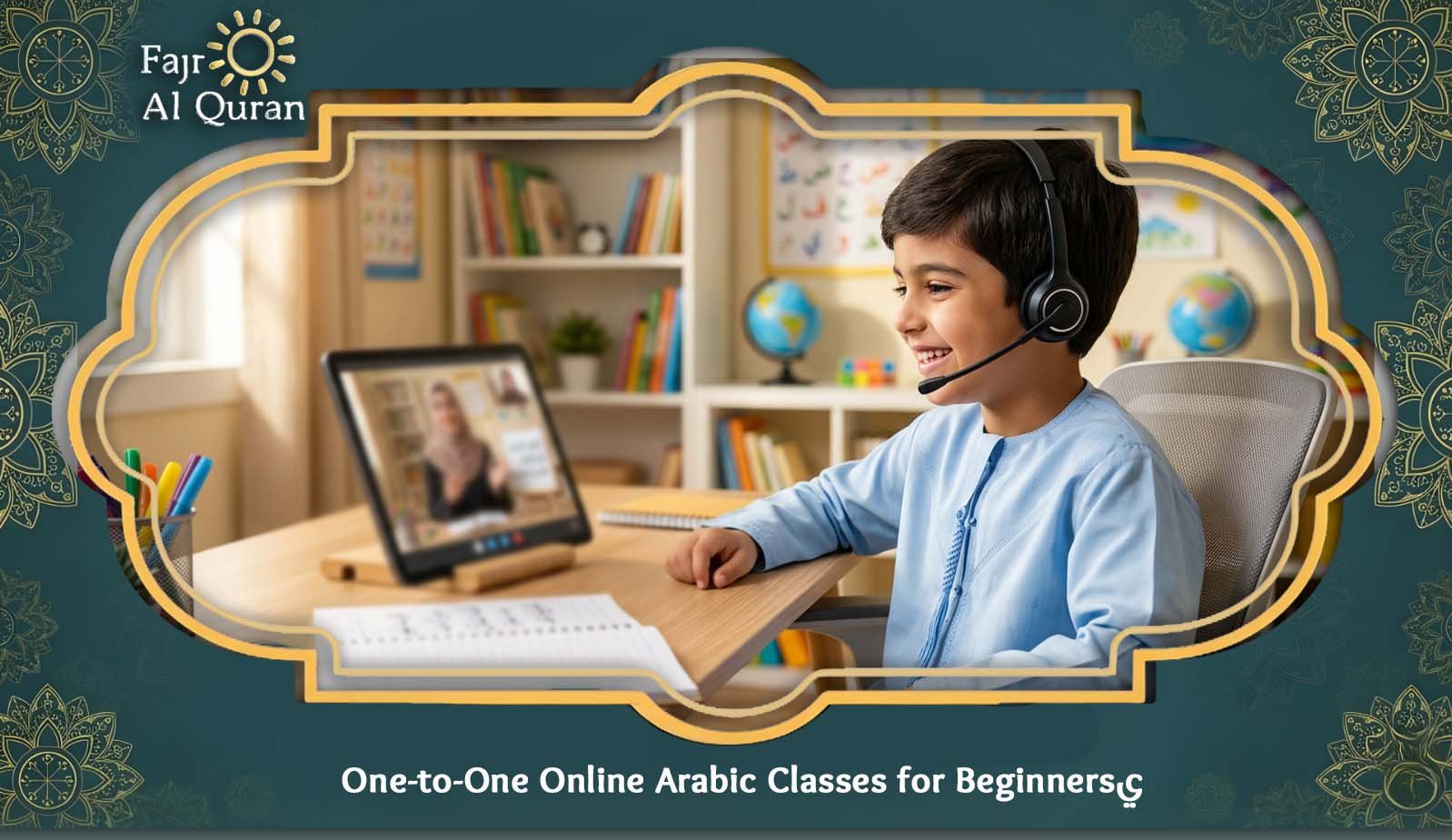
One-to-One Online Arabic Classes for Beginners

One-to-One Online Arabic Classes for Beginners

One-to-one teaching is a major reason many students choose online Arabic classes for beginners. In a private lesson, the teacher can focus entirely on one student’s needs instead of dividing attention among several learners.

This can be particularly useful for adults who have different goals from children. An adult may want to learn conversational Arabic, understand Quranic vocabulary, or prepare for travel. A child may need more repetition and interactive activities.

One-to-one online Arabic classes for beginners can be adjusted according to the learner’s level. If a student already knows the alphabet, the teacher can move ahead rather than repeating material unnecessarily.

Private lessons also make it easier to ask questions. Beginners often hesitate to speak in a group because they worry about making mistakes. A supportive tutor can create a more comfortable environment for practice.

Students may receive personalized help with:

  • Reading
  • Speaking
  • Vocabulary
  • Grammar
  • Pronunciation
  • Quranic Arabic
  • Homework and revision

Fajr Al-Quran Academy provides a structured environment where students can learn Arabic online with focused teacher support. This can be especially helpful for Western families looking for online Arabic classes for beginners that fit their schedules.

Personalized lessons do not mean students have to study at an intense pace. The teacher can adjust the speed according to the student’s progress.

Online Arabic Classes with Qualified Expert Tutors

The quality of the teacher can make a significant difference in online Arabic classes for beginners. A student may have access to hundreds of online resources, but resources alone cannot replace effective instruction.

A qualified tutor should understand how to teach beginners. Knowing Arabic is not enough. The teacher should also be able to explain concepts clearly, correct mistakes respectfully, and adapt lessons to the student’s level.

For children, teaching experience is particularly important. Young students often need shorter activities, repetition, encouragement, and engaging exercises to remain focused.

Adults may prefer a more direct approach. They may want practical vocabulary, grammar explanations, reading practice, or Quranic Arabic.

When comparing online Arabic classes for beginners, consider whether the academy provides:

  • Qualified and experienced Arabic teachers
  • Beginner-friendly lesson plans
  • Clear pronunciation instruction
  • Individual feedback
  • Age-appropriate teaching
  • Flexible scheduling
  • Regular progress assessment

A good Arabic Academy should also communicate clearly with parents when children are enrolled. Parents should know what their child is learning and how progress is being measured.

Fajr Al-Quran Academy positions its Arabic instruction within a broader Islamic education setting, making it a relevant choice for Muslim families seeking online Arabic classes for beginners alongside Quran learning.

The right teacher should make beginners feel comfortable asking questions and making mistakes. Confidence is an important part of language development.

Flexible Arabic Lessons for Busy Adults and Families

Time is one of the biggest barriers to learning Arabic. Parents may have children at different schools, adults may work full-time, and family schedules can change from week to week.

This is where online Arabic classes for beginners offer an important advantage. Students can attend lessons from home without travelling to a language school.

Flexible scheduling can be especially useful for families in Western countries. A parent in the UK may need lessons after school, while an adult in Australia may need a different time because of work commitments.

Online lessons can make it easier to maintain a consistent routine. Students can create a weekly schedule that fits their responsibilities.

This approach can benefit:

  • Busy working adults
  • Parents and children
  • University students
  • New Muslims
  • Families living outside Arabic-speaking communities
  • Students combining Arabic with Quran studies

For parents, convenience also means less disruption to the family routine. Children can complete their lesson at home and return to homework or other activities afterward.

However, flexibility should not mean a lack of structure. Effective online Arabic classes for beginners should still follow a planned curriculum.

Students need clear goals and regular revision. They also need enough practice between lessons to remember new vocabulary and grammar.

With the right balance of structure and flexibility, learners can start their Arabic studies without allowing language learning to become an overwhelming commitment.

Affordable Online Arabic Classes for Beginners

Affordable Online Arabic Classes for Beginners

Cost is another important consideration when choosing online Arabic classes for beginners. Families often want quality instruction without committing to an expensive traditional language school.

Online education can reduce some costs associated with physical classrooms. Students do not need to travel, and lessons can take place from home.

However, affordability should not be considered separately from quality. The cheapest course is not automatically the most suitable option. A low-cost program may provide limited teacher interaction or little individual feedback.

When comparing online Arabic classes for beginners, look beyond the advertised price. Consider what is included in the program.

Check whether the course offers:

  • Live teacher-led lessons
  • Individual attention
  • Structured materials
  • Progress support
  • Flexible scheduling
  • Trial lessons
  • Qualified instructors

Some people search for free Arabic lessons for beginners or learning Arabic for beginners free resources. These can be helpful for vocabulary practice and revision. However, students who want steady progress may benefit from combining free resources with professional instruction.

An affordable Arabic course should provide genuine educational value. Families should understand the lesson frequency, class duration, teacher qualifications, and learning outcomes before enrolling.

Fajr Al-Quran Academy can provide a structured online environment for students looking for accessible online Arabic classes for beginners while also exploring Quran and Islamic education.

A clear course structure allows families to make an informed decision based on both price and educational support.

Interactive Online Arabic Classes for Kids and Beginners

Children learn differently from adults, which is why effective online Arabic classes for beginners should be adapted for younger students.

A long lecture is rarely enough to keep a child engaged. Young learners benefit from visual material, repetition, simple challenges, reading exercises, and opportunities to participate.

Interactive online Arabic classes for beginners can introduce Arabic through age-appropriate activities. Teachers may use pictures, digital worksheets, word games, reading exercises, and questions to keep children involved.

Parents should also consider whether the teacher understands the needs of children growing up in English-speaking environments. A child may have little exposure to Arabic outside the lesson.

For these learners, the teacher may need to spend additional time building basic vocabulary and confidence.

Children can gradually learn:

  • Arabic letters
  • Letter sounds
  • Simple words
  • Numbers and colours
  • Everyday expressions
  • Basic sentence structures
  • Quranic vocabulary

Arabic lessons can also complement Islamic education. Children who study Quran may find that learning common Arabic words helps them recognize familiar terms during Quran lessons.

Apps and online resources can provide additional practice. Arabic learning websites, worksheets, educational videos, and other digital tools may reinforce classroom learning.

Still, teacher interaction remains important. A qualified tutor can identify mistakes that an app may not recognize.

For families searching for online Arabic classes for beginners, an interactive and supportive environment can make lessons more enjoyable and sustainable for children.

How to Choose the Best Online Arabic Classes

Choosing online Arabic classes for beginners requires more than searching for the lowest price or the first academy that appears online. The right course should match the student’s age, goals, level, schedule, and preferred learning style.

Start by identifying the purpose of the course. Do you want to read Arabic? Speak with Arabic speakers? Understand Quranic Arabic? Help your child build Islamic language skills? Your answer will influence the type of course you need.

Next, review the teacher’s qualifications and teaching experience. A professional Arabic instructor should be able to explain lessons clearly and provide useful feedback.

You should also ask how the curriculum is structured. Good Arabic courses for beginners should have a logical progression rather than presenting unrelated topics.

Before enrolling, consider these factors:

  • Teacher quality: Are the tutors experienced in teaching beginners?
  • Course structure: Does the program follow a clear curriculum?
  • Class format: Are private or group lessons available?
  • Flexibility: Can lessons fit your schedule?
  • Age suitability: Is the course designed for children, adults, or both?
  • Learning goals: Does it cover your specific needs?
  • Trial option: Can you experience a lesson before committing?
  • Support: Does the academy provide feedback and progress guidance?

You may also compare an Islamic institute, Arabic school, private tutor, or online academy. Some learners prefer a general language course, while Muslim students may want Arabic instruction connected to Quran study.

The strongest online Arabic classes for beginners should make the learning process clear from the first lesson. Students should know what they are learning, why they are learning it, and what they will study next.

Conclusion: Start Learning Arabic from Home

Learning a new language does not have to mean travelling to a language school or fitting your life around a rigid timetable. With well-structured online Arabic classes for beginners, students can learn from home while receiving guidance from qualified teachers.

From the Arabic alphabet and pronunciation to vocabulary, grammar, reading, and Quranic Arabic, a clear learning plan can make Arabic easier to understand. Children can enjoy interactive lessons, while adults can study at a pace that fits their responsibilities.

If you are ready to learn Arabic online, choosing the right teacher and course is the first important step. Fajr Al-Quran Academy offers a supportive online learning environment for beginners, children, and adults who want structured Arabic instruction.

Ready to start your Arabic learning journey? Book a free trial lesson with a native Arabic teacher/tutor at Fajr Al-Quran Academy and discover a simple, flexible way to learn Arabic from home.  

Frequently Asked Questions

Are online Arabic classes good for beginners?

Yes. Online Arabic classes for beginners can provide structured lessons, direct teacher feedback, and flexible learning from home. They are suitable for both adults and children when the curriculum is designed for their level.

Can I learn Arabic online without knowing the alphabet?

Yes. Beginner courses can start with the Arabic alphabet and gradually introduce reading, pronunciation, vocabulary, and grammar. A qualified teacher can guide students through each stage without requiring previous Arabic knowledge.

Can children take online Arabic classes from home?

Yes. Children can learn Arabic online through age-appropriate lessons with interactive activities and teacher guidance. One-to-one classes can also allow the tutor to adjust the lesson pace to the child’s needs.

Are free Arabic lessons for beginners enough to learn Arabic?

Free Arabic lessons for beginners can be useful for practice, vocabulary, and revision. However, students who want structured progress may benefit from live instruction, personalized feedback, and a planned curriculum.

Memorization Techniques That Actually Help Children Retain the Quran

The best ways to memorize the Qur'an for children

Beyond just “practice daily,” specific techniques make a real difference in how well a child retains what they’ve memorized. These are methods that come up repeatedly in successful memorization programs, worth trying rather than relying on repetition alone.

Chunking Instead of Whole-Passage Repetition

Breaking a new portion into small chunks, sometimes just a line or two, and mastering each before combining them, works better for most children than repeating a full passage over and over from the start. Combining mastered chunks is far more efficient than always restarting from the beginning of a longer section.

The “Cover and Recall” Method

After reading a line a few times, covering the text and attempting to recite it from memory, then checking, forces active recall rather than passive re-reading. This single shift, from re-reading to actively testing yourself, is one of the most consistently effective changes a child can make.

Spaced Revision Instead of Cramming

Reviewing a portion the next day, then a few days later, then a week later, rather than only right after learning it, builds much stronger long-term retention than reviewing it repeatedly in one sitting and not again for weeks.

Reciting Out Loud, Not Silently

Hearing your own voice engages memory differently than reading silently. Children who recite out loud during memorization, even quietly, tend to retain material better than those who memorize by sight alone.

Linking New Material to What’s Already Known

Noticing similarities between a new passage and something already memorized, similar phrasing, a repeated word, a familiar rhythm, gives the brain an extra hook to hang the new memory on, which is why memorization tends to get faster, not slower, as a child progresses further.

Keeping Sessions Short and Frequent

Several short sessions spread across the day generally beat one long session, since attention and retention both drop off after a certain point, especially for younger children. Fifteen focused minutes twice a day often outperforms a single 45 minute block.

Putting These Together with Guidance

These techniques work best paired with a teacher who can check accuracy along the way, since a technique applied to a mispronounced memorization just reinforces the mistake. Structured memorization courses combine these methods with real-time correction rather than leaving a child to self-check alone.

In Short

Chunking, active recall, spaced revision, reciting aloud, and linking new material to what’s already known all outperform straightforward repetition. Small changes in method often matter more than simply practicing longer.

How to Read the Quran Correctly: A Complete and Essential Guide

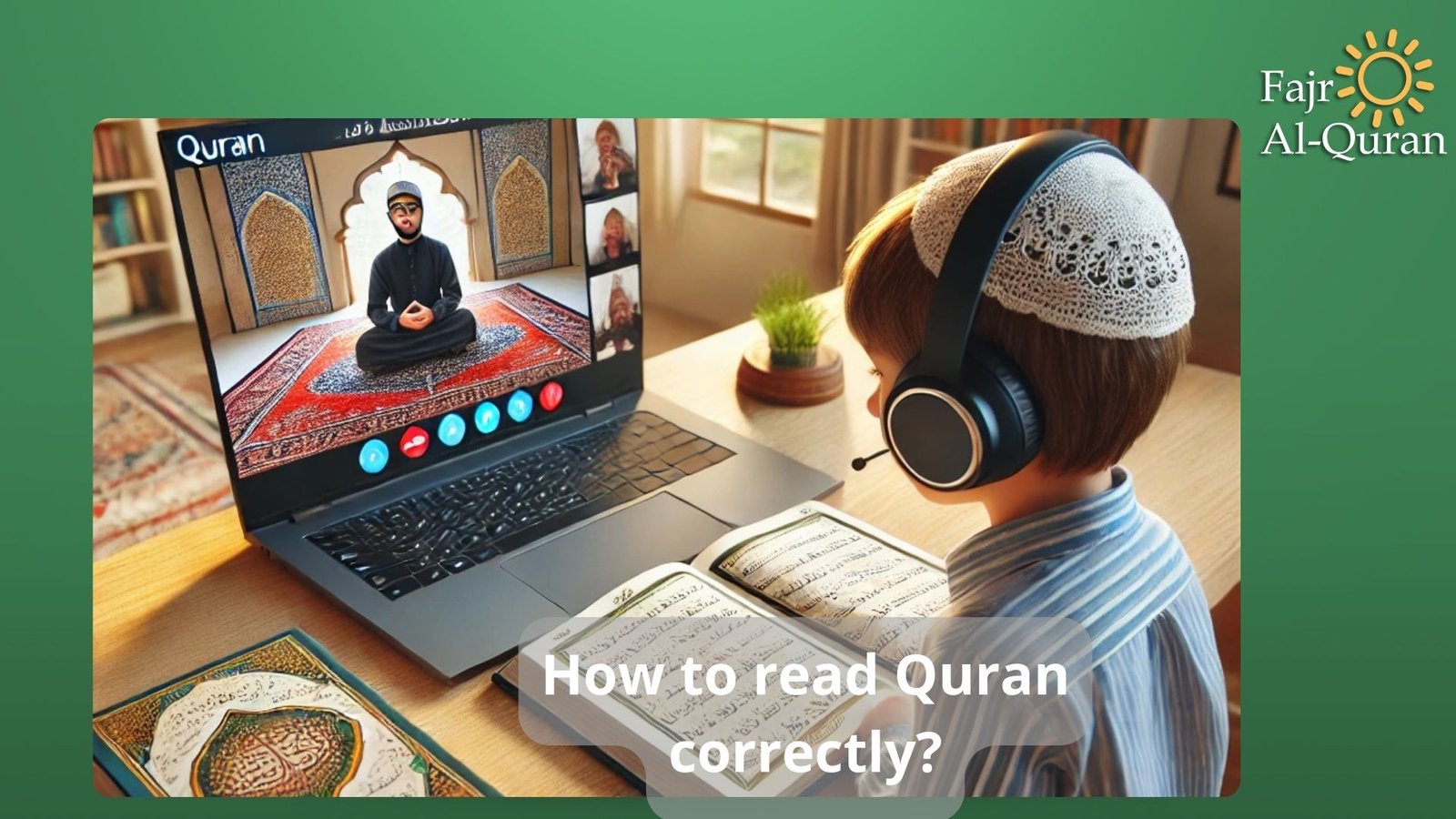
How to read Quran correctly?


 Reading the Quran is a profound and spiritual experience for millions of people around the world. For many, the Quran is not just a book but a guide to life, providing answers to questions, spiritual guidance, and a connection to the Divine. But to truly benefit from the Quran, one must know how to read Quran correctly?. In this article, we will explore practical tips and essential guidelines on how to read Quran correctly, ensuring that your recitation is not only accurate but also meaningful.

Understanding the Importance of Reading Quran Correctly

The Quran, being the holy book of Islam, must be approached with respect, understanding, and care. It is essential to read the Quran correctly, as mispronunciations or improper recitations can change the meaning of verses. Learning how to read Quran correctly involves understanding the rules of Tajweed (the art of Quranic pronunciation) and ensuring that each letter is pronounced as it should be, with proper articulation.

In addition, reading the Quran with understanding and reflection is crucial. It is not only about reciting the words but also about connecting with the message and applying it to one’s life. So, how to read Quran correctly? Let’s dive into the key steps.

1. Learn the Basics of Tajweed

To read the Quran correctly, it is vital to learn Tajweed, the set of rules governing the correct pronunciation of Arabic letters. Tajweed ensures that each letter is articulated from the right place in the mouth and pronounced with the correct qualities. Understanding Tajweed is essential for avoiding mistakes in pronunciation and ensuring that the recitation is clear and precise. You can learn Quran online to master these rules effectively.

Key Elements of Tajweed:

  • Makharij (Articulation Points): Learning where each letter originates from in the mouth and throat.
  • Sifaat (Characteristics of Letters): Understanding the specific qualities of each letter, such as whether it is heavy or light.
  • Rules of Elongation: Knowing when to elongate sounds (e.g., madd) and when to shorten them.

To read the Quran correctly, you must practice these elements diligently. It might be helpful to take classes or work with a knowledgeable teacher who can guide you through the intricacies of Tajweed.

2. Start with the Basics: Arabic Alphabet

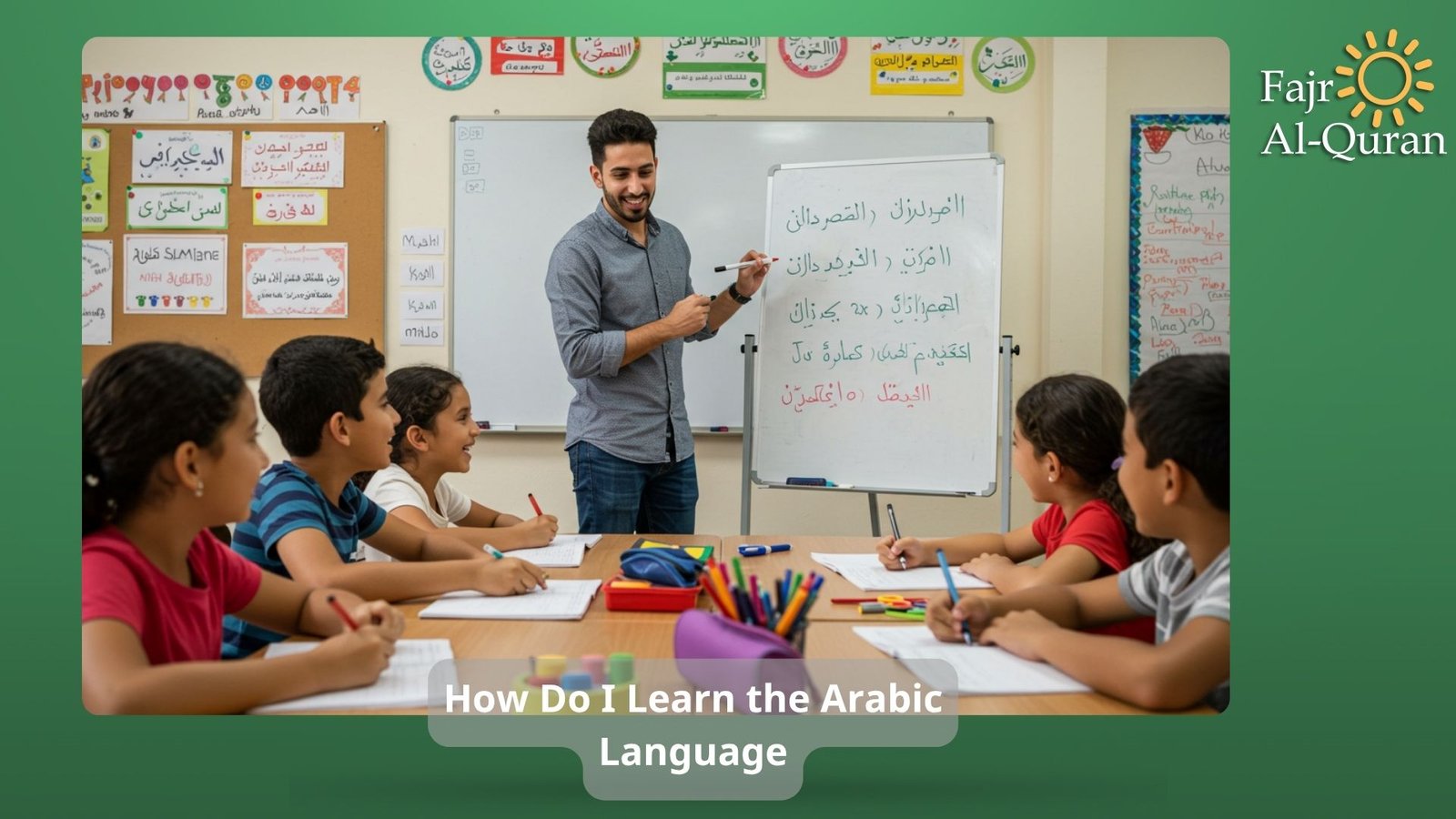
For those who are not familiar with the Arabic alphabet, learning how to read the Quran correctly begins with understanding the Arabic script. The Arabic alphabet is quite different from the Latin alphabet, and each letter has a specific pronunciation. If you’re wondering, How do I learn the Arabic language?, there are many resources available, including online courses, books, and apps, that can guide you step by step in mastering the language.

3. Use a Quran with Transliteration

For beginners, using a Quran with transliteration (the Arabic text written out in Latin script) can be incredibly helpful. Transliteration allows non-Arabic speakers to follow along with the Arabic text while they are still learning how to read Quran correctly?.

While transliteration can aid in the initial stages of learning, it is crucial to transition to reading the Quran in its original Arabic form. This will help you develop the skills necessary for correct pronunciation and recitation.

4. Recite Slowly and with Concentration

One of the most important aspects of learning how to read Quran correctly? is reciting it slowly and thoughtfully. Avoid rushing through the verses. Take your time to pronounce each word clearly, following the rules of Tajweed. Focus on articulating each letter properly, and do not skip over any syllables.

5. Learn the Correct Pronunciation of Key Words

Some words in the Quran are more challenging to pronounce than others, especially for non-native Arabic speakers. To read the Quran correctly, it’s important to familiarize yourself with these key words and their proper pronunciation. For example, words like “Bismillah” and “Alhamdulillah” require particular attention to their articulation.

6. Use Audio Resources for Guidance

Listening to Quranic recitations by skilled Qaris (reciters) is one of the best ways to learn how to read Quran correctly?. There are numerous online resources and apps that provide high-quality recitations of the Quran. These resources allow you to follow along with the text, ensuring that your pronunciation matches that of the reciter.


How to read Quran correctly?


Tips for Reciting the Quran Slowly and with Focus

Reciting the Quran correctly is essential for understanding its profound message. Tips for reciting the Quran slowly and with focus can help improve your pronunciation, deepen your reflection, and allow you to connect spiritually with the divine words of Allah.

Set a Dedicated Time

Allocate a quiet time for recitation, preferably in the morning or evening when your mind is clearer and free from distractions. If you’re looking for structured guidance, consider enrolling in the Best Quran Online Classes, which offer flexible schedules and expert instruction to help you recite the Quran correctly.

Avoid Rushing

Don’t rush through the recitation. Read slowly and with focus, ensuring that each letter is pronounced correctly and that you are reflecting on the words.

Focus on Correct Pronunciation

Pay attention to the proper articulation of each letter, following the rules of Tajweed to ensure accurate recitation.

Pause Between Verses

Take short breaks between verses to breathe and to reflect, which helps to maintain focus and ensures a better understanding of the text.

Listen to Skilled Recitations

Listening to recitations by proficient Qaris can help improve your own recitation. Try to match your rhythm and pronunciation with theirs.

Repeat Difficult Verses

If you encounter a difficult verse, don’t hesitate to repeat it multiple times. This will help you perfect the pronunciation and internalize the verse.

By following these tips, you will be able to recite the Quran slowly and with focus, which will enhance both the quality of your recitation and your spiritual connection to the text.

Conclusion: How to Read Quran Correctly?

In conclusion, learning how to read Quran correctly? involves a combination of understanding the rules of Tajweed, practicing proper pronunciation, using resources like transliteration and audio guides, and maintaining regularity in your recitation. It is not just about reading the words but about reading them with mindfulness, reflection, and reverence.

At FajralQuran, we provide expert guidance and resources to help you learn how to read the Quran correctly. Whether you’re a beginner or looking to refine your recitation, our platform offers personalized lessons, audio resources, and expert feedback to support your Quranic journey.

Start your path to correct Quranic recitation today—sign up with FajralQuran and experience the spiritual transformation that comes with reading the Quran with clarity, focus, and understanding!

What is the importance of learning the Quran for kids

What is the importance of learning the Quran for kids

The Quran is not just a religious text; it is a comprehensive guide that serves as a beacon of light for Muslims, offering wisdom, guidance, and moral principles. For kids, learning the Quran is of paramount importance as it lays the foundation for a strong spiritual and moral upbringing. In this article, we will explore What is the importance of learning the Quran for kids, highlighting its spiritual, intellectual, and social benefits.

What is the importance of learning the Quran for kids?

It looks like your message got a little mixed up. Could you clarify your question or request? Are you asking for more information on the topic ‘What is the importance of learning the Quran for kids?’ or something else? If you’re interested in understanding how learning the Quran and using tools like Noorani Qaida can benefit children, I’d be happy to help!

1. Spiritual Development

One of the most profound aspects of learning the Quran for kids is its contribution to spiritual growth. When children engage with the Quran, they are introduced to the concept of faith and the principles of Islam at an early age. By reciting the Quran regularly, kids strengthen their relationship with Allah, which becomes a source of comfort, guidance, and inner peace throughout their lives. What is the importance of learning the Quran for kids in terms of spirituality is that it helps them understand the concepts of right and wrong, the afterlife, and the role of faith in everyday life.

2. Moral and Ethical Guidance

The Quran provides a set of moral and ethical standards that children can apply in their daily lives. What is the importance of learning the Quran for kids in this regard is that it teaches them values such as honesty, kindness, patience, and respect for others. These teachings are essential for shaping the character of children and fostering positive relationships with their peers, family, and community. By learning these lessons from the Quran, children are equipped with the tools to make ethical decisions and contribute positively to society.

3. Intellectual Development

“Learning the Quran is not just about memorization; it also involves understanding and reflection. What is the importance of learning the Quran for kids intellectually is that it promotes critical thinking and cognitive development. The Quran is filled with stories, parables, and lessons that encourage children to reflect on the world around them.

As children grow and gain a deeper understanding of the Quran, they are also able to develop better analytical skills, which are essential for academic success and overall intellectual growth. Additionally, learning to read the Quran with Arabic letters enhances their language skills and understanding of the script, further contributing to their intellectual development.”

4. Language Skills and Literacy

The Quran is written in classical Arabic, which is a rich and eloquent language. When children learn the Quran, they not only improve their understanding of Arabic but also develop language skills that can help them in their studies and communication. What is the importance of learning the Quran for kids in terms of language development is that it enhances their vocabulary, reading comprehension, and pronunciation. Moreover, the act of memorizing verses from the Quran strengthens memory retention and cognitive abilities.

5. Strengthening Family Bonds

Learning the Quran can also bring families closer together. Many parents choose to learn the Quran alongside their children, which fosters a shared spiritual experience. What is the importance of learning the Quran for kids in this context is that it creates an opportunity for families to bond over something meaningful. Children often feel more connected to their parents when they share the experience of learning and discussing the Quran together. It also reinforces the importance of Islamic values within the home.

6. Building Discipline and Patience

Memorizing the Quran requires patience, persistence, and discipline, qualities that are crucial for children to develop as they grow. What is the importance of learning the Quran for kids is that it teaches them to set goals, stay committed, and work hard to achieve them. This process of memorization and recitation fosters a sense of discipline that can translate into other areas of life, including academics, sports, and personal relationships.

7. Promoting Social Responsibility

The teachings of the Quran encourage kids to contribute positively to society and be responsible citizens. What is the importance of learning the Quran for kids in terms of social responsibility is that it instills values such as charity, helping others, and standing up for justice. By understanding the Quran’s messages about community welfare and social justice, children are more likely to engage in acts of kindness and be aware of the needs of others.

8. Enhancing Emotional Intelligence

The Quran teaches children how to manage their emotions and deal with challenges in a healthy way. What is the importance of learning the Quran for kids emotionally is that it encourages self-reflection, gratitude, and emotional resilience. By reading stories of the prophets and the challenges they faced, children learn to cope with adversity and develop emotional intelligence, which is essential for personal growth and well-being.

9. Encouraging Reflection and Self-awareness

Learning the Quran encourages children to think deeply about their actions and choices. What is the importance of learning the Quran for kids in terms of self-awareness is that it fosters a sense of responsibility and introspection. By reflecting on the Quranic teachings, children learn to evaluate their behavior, make better choices, and strive to be better individuals. This process of self-reflection is crucial for personal development and spiritual growth.

10. Creating a Sense of Identity

“For children growing up in a diverse world, learning the Quran helps them understand their identity as Muslims and their place in society. What is the importance of learning the Quran for kids in shaping their identity is that it provides a strong foundation rooted in faith and cultural heritage. It allows them to connect with their religious and cultural roots, which is essential for building confidence and a sense of belonging.

With the convenience of Online Quran Classes for Kids, children can now easily access the Quranic teachings from the comfort of their homes, ensuring that their learning experience is both flexible and effective in strengthening their sense of identity.

What is the importance of learning the Quran for kids

Tips for Teaching the Quran to Children

Teaching the Quran to children requires patience, consistency, and creativity. To ensure that kids not only memorize the Quran but also understand its message, here are some helpful tips. First, create a quiet, comfortable, and distraction-free environment where children can focus on their learning.

 It is essential to start with small, manageable portions, allowing children to grasp and memorize each verse before moving to the next. Additionally, use repetition, as this helps reinforce what has been learned.

 Incorporating stories from the Quran is also an effective way to keep children engaged and help them understand the lessons behind each verse. Praise their progress regularly to motivate them, but ensure the learning experience remains positive and not overly stressful. Finally, involve the entire family in the process, as learning together fosters a sense of unity and strengthens the child’s connection to the Quran 

Conclusion

In conclusion, the importance of learning the Quran for kids cannot be overstated. It provides spiritual, intellectual, and emotional benefits that shape the future of children in profound ways. What is the importance of learning the Quran for kids is evident in the development of strong moral values, a sense of discipline, and a lifelong connection with faith. As parents, educators, and communities, it is essential to encourage children to engage with the Quran early in their lives, as it will serve as a powerful tool for guiding them on their journey toward becoming responsible, compassionate, and faithful individuals.

At Fajr Al-Quran, we are dedicated to helping you and your children embark on a meaningful journey of learning and understanding the Quran. Whether you’re looking for personalized Quranic lessons, interactive resources, or a supportive learning environment, Fajr Al-Quran offers everything you need to grow spiritually. Start your Quranic education today and unlock the wisdom of the Quran for a brighter future. Join us now and experience the joy of learning the Quran!

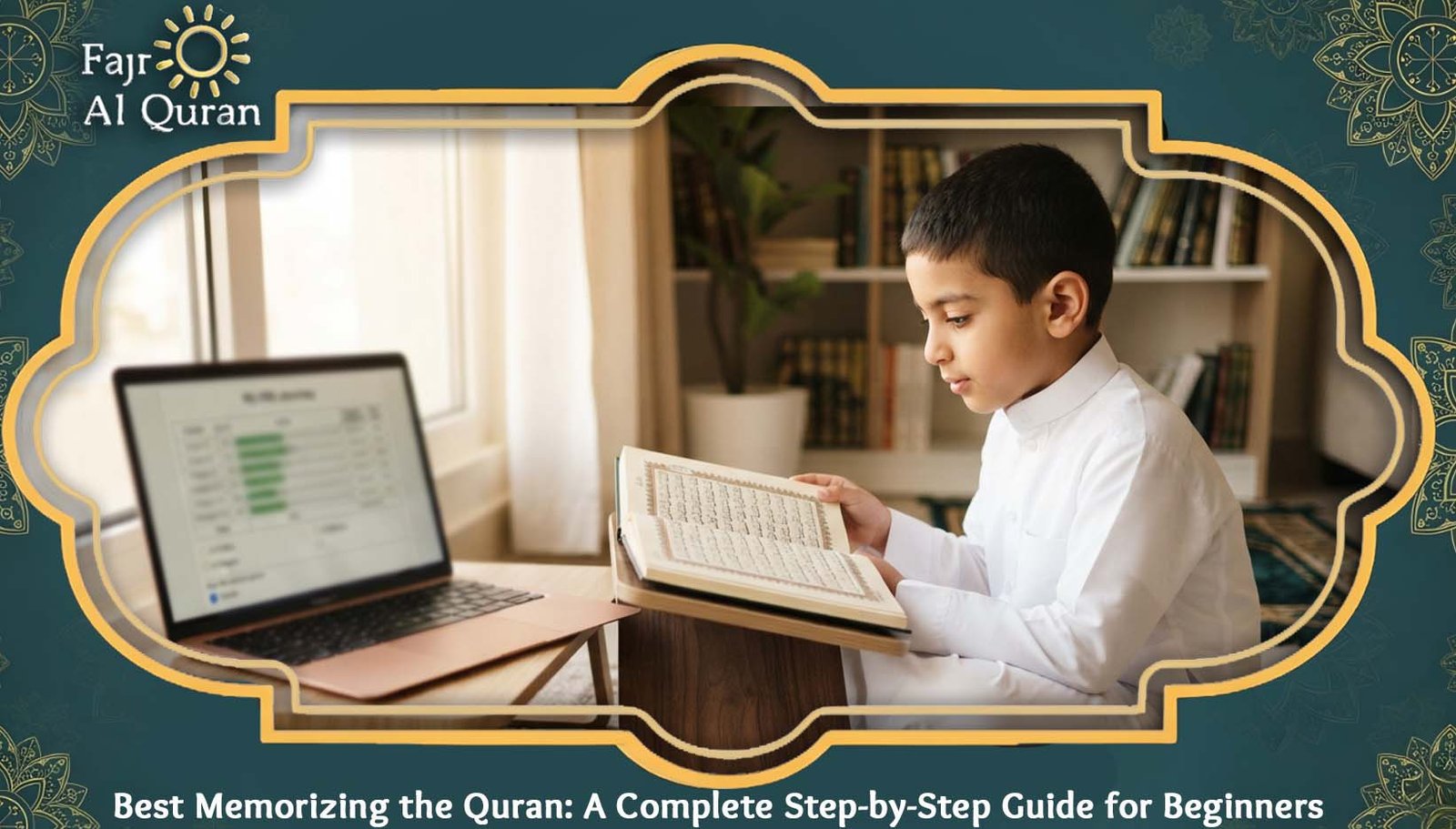
Best Memorizing the Quran: A Complete Step-by-Step Guide for Beginners

Best Memorizing the Quran: A Complete Step-by-Step Guide for Beginners

Memorizing the Quran is one of the most rewarding acts of worship in Islam. Every letter you learn brings you closer to Allah and strengthens your relationship with the Qur’ān. Whether your goal is to memorize the Quran completely or learn a few chapters with confidence, every step you take is valuable. The journey may seem challenging at first, but with the right guide, effective Quran memorization techniques, and a consistent routine, anyone can succeed.

Many beginners believe that memorizing the Quran requires extraordinary memory or years of free time. In reality, success depends more on consistency than talent. A few new verses every day, regular repetition, and proper recitation can produce remarkable results. Modern online learning has also made Quran memorization easier than ever by connecting students with experienced teachers from anywhere in the world.

Among the trusted institutions helping students worldwide, Fajr Al-Quran Academy stands out for its structured Hifz programs, qualified instructors, personalized learning plans, and supportive environment for children and adults. Whether you are beginning your Hifz journey or returning after a break, the academy provides the guidance you need to memorize the Quran with confidence and accuracy.

Why Is Memorizing the Quran Important in Islam?

For Muslims, memorizing the Quran is much more than committing words to memory. It is a journey that fills the heart with faith, strengthens character, and creates a lifelong connection with Allah. The Quran was revealed as guidance for humanity, and preserving it through memorization has been a noble tradition since the time of Prophet Muhammad ﷺ. Today, millions continue this beautiful practice, ensuring that the Quran remains preserved exactly as it was revealed.

One of the greatest blessings of memorizing the Quran is that it transforms daily life. The verses become part of your thoughts, prayers, and decisions. As you continue to memorize the Quran, you naturally develop stronger discipline, patience, and sincerity. These qualities benefit every area of your life, from family relationships to education and work.

Another important reason for memorizing the Quran is the immense spiritual reward promised in Islam. Every verse learned and reviewed brings blessings, while regular recitation keeps the words of Allah alive in the heart. Students often discover that memorizing the Quran also deepens their understanding of Islamic teachings and motivates them to practice them more consistently.

The journey is suitable for everyone. Children can begin at an early age, adults can start whenever they feel ready, and even seniors successfully memorise many chapters through consistent effort. The key is choosing effective learning methods that match your schedule and abilities.

Learning with experienced teachers also makes a significant difference. At Fajr Al-Quran Academy, students receive a structured Hifz plan that combines proven Quran memorization techniques, daily revision, and individual support. This balanced approach helps students memorize Quran the easy way without feeling overwhelmed.

Remember that memorizing the Quran is not a race. It is a lifelong act of worship where every small achievement has lasting value. Progress made with sincerity is always more important than speed.


Best Memorizing the Quran: A Complete Step-by-Step Guide for Beginners


Step-by-Step Guide to Memorizing the Quran

Memorizing the Quran (Hifdh) is a rewarding journey that requires consistency, a structured routine, and the right tools. The most effective approach is to learn daily in small, manageable chunks, prioritizing regular review over rushing ahead.

Step 1: Establish Your Foundation and Routine

Before you begin, set up your physical and mental environment to ensure long-term success
  • The Golden Hour: Memorize in the early morning immediately after Fajr. Your mind is rested, free from daily distractions, and the time is highly blessed. 
  • Use One Copy: Stick to a single Mushaf (the physical copy of the Quran). Your brain creates visual memories of the layout of the pages, lines, and verse placements.
  • Find a Teacher/Buddy: Learn basic Tajweed (rules of recitation) before beginning. Having a qualified Shaykh or a recitation partner ensures your pronunciation is correct and keeps you accountable.
  • Understand the Meaning: Read the translation or a brief Tafsir (explanation) before memorizing. Understanding the story and context creates an emotional connection, making verses much easier to recall


Step 2: The Memorization Process

Break your daily memorization into small portions (typically 3 to 5 verses or a fraction of a page) depending on your capacity. Use the proven Bridging Method
  • Listen First: Listen to an audio recitation of your new verses by a certified reciter (Qari) three times. This locks in the proper rhythm and melody
  • Read Aloud: Read the verses out loud while looking at the Arabic text three to five times. Reading out loud engages multiple senses and improves retention.
  • Recite from Memory: Close the Mushaf and try to recite the new portion by memory.
  • Connect and Bridge: Memorize verse 1, then verse 2. Once both are mastered, recite them together. Add verse 3, and then recite all three together continuously. This “brick-by-brick” building creates seamless transitions between verses

Step 3: Prioritize Review (Muraja’ah)

The secret to not forgetting what you have learned is continuous review. Revision should take up roughly 70% of your study time, while new memorization takes up the remaining 30%
  • Review Daily: Incorporate your newly memorized verses into your daily Salah (prayers). This is the best practical testing ground.
  • The 21-Day Rule: Repeat any newly memorized Surah daily for 21 days to cement it into your long-term memory.
  • Never Move On Without Perfecting: Master your current portion before moving on to the next one


Best Daily Habits for Memorizing the Quran Successfully


Best Daily Habits for Memorizing the Quran Successfully

Developing the right routine is one of the most important keys to memorizing the Quran successfully. You do not need an extraordinary memory. Instead, consistency and daily practice are the foundation of lasting Quran memorization. Even 20 to 30 minutes each day can help you make steady progress. Choose a fixed study time, preferably after Fajr when your mind is fresh, and make memorizing the Quran part of your daily routine.
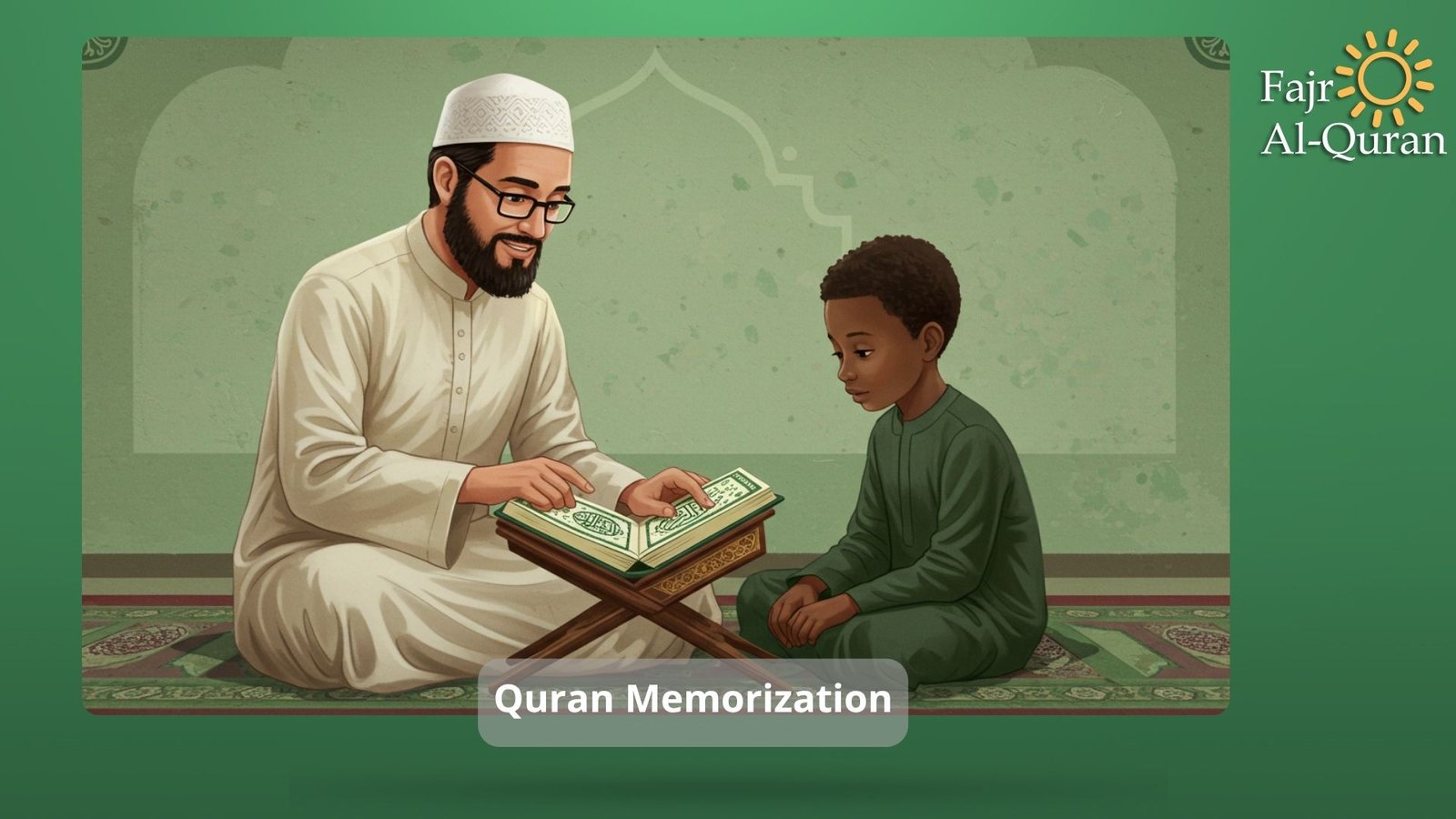
Always begin by reviewing previously memorized verses before learning new ones. Regular repetition, listening to a skilled Qari, reading from the same Mushaf, and reciting aloud are among the most effective Quran memorization techniques. Reciting your memorized portions during Salah also strengthens retention and builds confidence.

Avoid long breaks, as daily consistency is essential for successful memorizing the Quran. Study in a quiet environment with minimal distractions so you can focus on the words of the Qur’ān. At Fajr Al-Quran Academy, students follow a structured Hifz program that combines expert guidance, daily revision, and personalized support. With the right habits, patience, and dedication, memorizing the Quran becomes easier, more enjoyable, and a lifelong source of spiritual reward.

The Role of Tajweed in Memorizing the Quran

Tajweed plays a vital role in memorizing the Quran because it teaches the correct pronunciation of every Arabic letter and the proper rules of Quranic recitation. Learning Tajweed and Hifz together helps students build a strong foundation from the beginning, reducing mistakes that become difficult to correct later. Proper pronunciation also improves Quran memorization by making the verses easier to recognize and remember.

Listening to an experienced Qari before each lesson is another effective way to strengthen memorizing the Quran. Hearing accurate recitation trains the ears, improves fluency, and helps students memorize difficult verses more confidently. Regular listening, combined with repetition, is one of the most effective Quran memorization techniques.

A qualified teacher is equally important. Experienced instructors correct mistakes immediately, guide students through proper learning methods, and ensure that every lesson is memorized accurately. At Fajr Al-Quran Academy, Tajweed is integrated into every Hifz class, allowing students to improve both pronunciation and memorization together. With continuous practice, expert guidance, and regular revision, memorizing the Quran becomes easier, more accurate, and more rewarding, helping students recite the Qur’an with confidence throughout their lives.

How Parents Can Help Children Memorize the Quran

Parents play a vital role in memorizing the Quran by creating a positive and encouraging learning environment. A child’s success depends not only on memory but also on consistent support, motivation, and love. When parents actively participate in the Hifz journey, children develop confidence and enjoy learning the Qur’ān from an early age.

Establishing a fixed daily routine is one of the best ways to support Quran Hifz. Short, enjoyable lessons help children stay focused and motivated. Parents can strengthen memorizing the Quran by listening to daily recitation, encouraging regular revision, celebrating small achievements, making dua together, and creating a peaceful place for study. Positive encouragement inspires children to continue even when they face challenging verses.

Professional guidance also makes a significant difference. At Fajr Al-Quran Academy, experienced teachers work closely with parents to design personalized Hifz plans and provide regular progress updates. Flexible online classes make it easy for children to balance school and Quran studies. Most importantly, parents should teach that memorizing the Quran is a blessed act of worship. When children grow up loving the Quran instead of seeing it as a task, they are more likely to continue their Hifz journey throughout life.


How a Qualified Quran Teacher Can Improve Hifz Quran


How a Qualified Quran Teacher Can Improve Hifz Quran

Learning with a qualified Quran teacher is one of the most effective ways to succeed in memorizing the Quran. While self-study can help you begin, an experienced instructor provides personalized guidance, corrects mistakes, and creates a structured learning plan that makes Quran memorization easier and more accurate. Every student learns differently, so individual support helps build confidence and steady progress.

A skilled teacher teaches proper Tajweed, improves recitation, and introduces effective Quran memorization techniques. They also maintain the right balance between learning new verses and reviewing previous lessons. Regular revision and repetition prevent students from forgetting what they have already memorized and strengthen long-term retention.

At Fajr Al-Quran Academy, qualified teachers provide one-on-one Hifz classes for children and adults. Each student follows a personalized plan based on their age, experience, and learning pace. Through live online lessons, students receive immediate feedback, listen to expert recitation, and practice from home.

Choosing a patient and knowledgeable teacher can make memorizing the Quran more enjoyable and rewarding. With expert guidance, consistent practice, and sincere effort, memorizing the Quran becomes an achievable goal, helping every learner move closer to becoming a Hafiz of the Qur’ān.

Benefits of Memorizing the Quran for Kids and Adults

Memorizing the Quran offers lifelong spiritual, mental, and personal benefits for both children and adults. Beyond remembering words, it strengthens faith, builds good character, and creates a deeper connection with Allah. Whether you begin Hifz at a young age or later in life, memorizing the Quran can positively shape every stage of your journey.

For children, memorizing the Quran develops discipline, concentration, confidence, and a strong Islamic identity. Regular recitation also improves focus and memory, supporting success in both religious and academic learning. Adults benefit by finding peace of mind, emotional balance, and a stronger relationship with the Qur’ān through daily recitation and reflection.

Regular Quran memorization encourages consistency in worship, strengthens patience, and inspires positive habits that benefit family and community. It is never too late to begin Hifz, as thousands of adults successfully memorize the Quran through steady effort and effective learning techniques.

At Fajr Al-Quran Academy, students of all ages receive personalized guidance and flexible online Hifz programs designed to fit their schedules. With expert support and dedication, memorizing the Quran becomes an achievable goal that fills your life with knowledge, blessings, and lasting spiritual rewards.

Online Quran Classes for Memorizing the Quran Faster

Memorizing the Quran has become more accessible thanks to modern online Quran classes. Students no longer need to travel to a mosque or Islamic school to receive quality Hifz instruction. Instead, they can learn from qualified teachers anywhere in the world while following a schedule that fits school, work, or family commitments.

One of the biggest advantages of online learning is personalized instruction. One-on-one lessons allow teachers to provide immediate corrections, teach effective Quran memorization techniques, and create learning plans based on each student’s ability. Regular revision, Tajweed correction, progress tracking, and flexible scheduling help students strengthen Quran memorization while maintaining accurate recitation.

Fajr Al-Quran Academy is a trusted platform offering structured Hifz programs for children and adults. Experienced teachers guide students through every stage of memorizing the Quran, encouraging them to listen to skilled reciters, practice daily repetition, and review previously memorized verses. This balanced approach helps learners progress faster without sacrificing accuracy.

Whether you are a beginner or continuing your Hifz journey, memorizing the Quran through professional online classes provides flexibility, expert guidance, and continuous support, making your goal more achievable and rewarding.

Tips to Stay Motivated Throughout Your Hifz Journey

Staying motivated is essential for memorizing the Quran, especially when progress feels slow. Every Hifz student faces challenges, but success comes through patience, sincerity, and consistent effort. Begin by renewing your intention regularly and remembering that memorizing the Quran is an act of worship meant to seek the pleasure of Allah.

Set realistic goals and focus on learning a few verses accurately instead of rushing. Celebrate every milestone, whether it is completing a surah, improving your recitation, or maintaining a consistent revision schedule. Simple habits such as making dua before studying, keeping a Hifz journal, reviewing previous lessons, listening to skilled Qaris, and joining a supportive study group can strengthen your Quran memorization.

Avoid comparing yourself with others. Every learner progresses at a different pace, and regular repetition is the key to long-term success. Reflecting on the meanings of the verses also creates a deeper connection with the Qur’ān, making memorizing the Quran more meaningful.

At Fajr Al-Quran Academy, experienced teachers provide personalized guidance, regular feedback, and structured lesson plans to help students stay committed. With dedication and expert support, memorizing the Quran becomes a rewarding lifelong journey filled with faith, knowledge, and spiritual growth.

Conclusion

Memorizing the Quran is a rewarding journey that strengthens faith, builds character, and brings you closer to Allah. Success does not depend on exceptional memory but on sincere intention, regular revision, proper Tajweed, and consistent practice. Every small step brings you closer to your Hifz goal. Learning with qualified teachers makes memorizing the Quran easier and more accurate through expert guidance and personalized support. Fajr Al-Quran Academy offers trusted online Hifz programs for children and adults, helping students achieve lasting success. Begin today, and let memorizing the Quran become a lifelong source of guidance, blessings, and spiritual growth.

 Best Quran Online Classes|Learn with Fajr Al Quran

best quran online classes

Finding the best quran online classes is essential for those seeking quality Islamic education from the comfort of their homes. Fajr Al Quran offers a structured and engaging learning experience, ensuring that students of all levels master Quran recitation, Tajweed, and memorization with the guidance of certified instructors. With flexible scheduling, interactive lessons, and a personalized approach, Fajr Al Quran provides an ideal platform for individuals and families to deepen their understanding of the Quran while maintaining their daily routines.

Why Choose the Best Quran Online Classes?

Learning the Quran is a vital aspect of every Muslim’s life, and with technological advancements, the best Quran online classes have made this education more accessible than ever. Whether you are a beginner or looking to enhance your recitation skills, online Quran classes provide a structured and flexible way to learn. At Fajr Al Quran, we offer top-quality online Quran courses tailored for kids and adults, ensuring a seamless and interactive learning experience.

Benefits of Best Quran Online Classes

Enrolling in the best Quran online classes offers a transformative learning experience for students of all ages. With expert instructors, structured lessons, and flexible scheduling, online Quran courses provide an accessible and effective way to deepen one’s understanding of the Quran.

1. Flexibility and Convenience

With best Quran online classes, you can learn at your own pace and schedule. This is particularly beneficial for working professionals, students, and homemakers who may find it challenging to attend physical classes.

2. Qualified and Experienced Tutors

Fajr Al Quran provides highly qualified and experienced teachers who specialize in Tajweed, Tafseer, and Hifz. Our tutors use engaging teaching methodologies to ensure students grasp Quranic concepts effectively.

3. One-on-One and Group Learning Options

Our best Quran online classes cater to both individual learners and groups. One-on-one classes offer personalized attention, while group sessions provide an interactive learning environment.

4. Affordable Pricing and Free Trial

Quality education should be accessible to everyone. Our courses are competitively priced, and we even offer a free trial class to help you experience our teaching style before enrolling.

5. Global Accessibility

No matter where you are in the world, you can join best Quran online classes at Fajr Al Quran. Our online platform supports students from different time zones, ensuring that everyone can find a suitable class schedule.

best quran online classes


Best Quran Online Classes for Kids

Introducing children to the Quran at a young age helps build a strong foundation in faith. Our best Quran online classes for kids focus on interactive learning to keep them engaged while improving their recitation and memorization skills.

Features of Our Kids’ Quran Classes:

  • Engaging and Interactive Lessons: Fun activities to maintain children’s interest.
  • Experienced Teachers: Specialists in handling young learners.
  • Flexible Timings: Parents can choose convenient class schedules.
  • Basic Islamic Studies: In addition to Quran recitation, children learn essential Islamic teachings.

Best Quran Online Classes for Adults

For adults seeking to improve their Quranic knowledge, best Quran online classes at Fajr Al Quran offer structured courses suited to different learning levels. Whether you are a beginner or an advanced learner, our courses help you improve your recitation, memorization, and understanding of the Quran.

What You’ll Learn:

  • Tajweed Rules: Mastering proper pronunciation and articulation.
  • Hifz (Memorization): Step-by-step guidance for those who wish to memorize the Quran.
  • Quran Tafseer: Understanding the meaning and interpretation of Quranic verses.
  • Arabic Basics: Learning the Arabic lessons for beginners for better Quranic comprehension.

How to Choose the Best Quran Online Classes?

Choosing the right online Quran academy is essential for a successful and enriching learning experience. A reputable academy should have accredited and experienced tutors who can provide high-quality Quranic education. Certified teachers ensure that students learn the quran, proper Tajweed, recitation, and memorization techniques while gaining a deeper understanding of the Quran.

Flexibility is another key factor when selecting an academy. The best platforms offer a variety of class schedules, allowing students to learn at their own pace and convenience. Interactive and engaging lessons that incorporate visual aids, quizzes, and activities can make learning more effective and enjoyable.

Additionally, affordability and transparency in pricing play a significant role in decision-making. It’s important to compare course fees, lesson structures, and available resources before enrolling. Reading student reviews and testimonials can also provide valuable insight into the academy’s teaching methods and overall learning environment.

Why Fajr Al Quran Offers the Best Quran Online Classes

At Fajr Al Quran, we pride ourselves on delivering high-quality Quran education with an emphasis on Tajweed, Hifz, and Quranic understanding. Here’s why our students choose us:

  • Expert Teachers: Highly qualified and experienced in Quranic studies.
  • Affordable Plans: Budget-friendly pricing with flexible payment options.
  • Student-centered Approach: personalized learning plans for all levels.
  • Interactive Platform: State-of-the-art virtual classrooms with live sessions.
  • Support and Progress Tracking: Regular assessments and feedback to track student progress.

Enroll in the Best Quran Online Classes Today!

Embark on a rewarding journey of Quranic learning with Fajr Al Quran. Whether for yourself or your child, our best Quran online classes provide an enriching and flexible educational experience.

By choosing Fajr Al Quran, you ensure top-quality Quranic education that fits seamlessly into your lifestyle with experienced instructor who graduated from Al Azhar University and has a long experience in working with kids and adults. Join our growing community of learners and start your Quran journey today!

Sign up today for a free trial and experience the best online Quran learning!


How Do I Learn the Arabic Language Easy? A Complete Guide by Fajralquran

How Do I Learn the Arabic Language

 Learning a new language is always a valuable journey, but when it comes to Arabic, the rewards go far beyond just communication. Arabic is the language of over 400 million people worldwide and holds deep cultural, historical, and spiritual significance—especially for Muslims, as it’s the language of the Qur’an. If you’re asking yourself, how do I learn the Arabic language, you’re already taking the first step toward a deeply enriching experience. In this guide from Fajralquran, we’ll walk you through everything you need to know to learn Arabic effectively.

Why Learn Arabic?

Before diving into the how, let’s explore why. Understanding your motivation can give you clarity and drive.

  • Religious Purpose: Many people seek the answer to how do I learn the Arabic language to understand the Qur’an in its original form.
  • Cultural Understanding: Arabic opens the door to appreciating literature, music, and traditions across the Arab world.
  • Career Opportunities: Arabic is a valuable skill in diplomacy, international business, journalism, and more.
  • Travel and Communication: Visiting Arab countries becomes far more meaningful when you understand the language.

How Do I Learn the Arabic Language? – 10 Effective Steps

If you’re serious about learning Arabic, especially through Online Quran Classes, here’s a structured approach you can follow:

1. Choose the Right Dialect

Arabic has many dialects. Modern Standard Arabic (MSA) is used in writing and formal speech, while each region has its own spoken variant (e.g., Egyptian, Levantine, Gulf).

Before asking how do I learn the Arabic language, ask which Arabic should I learn first?

We recommend starting with MSA, especially if your goal is to understand the Qur’an or read newspapers and official content.

2. Set Clear Goals

Setting realistic goals keeps you motivated. For example:

  • Learn the Arabic alphabet in one week.
  • Memorize 20 new words per day.
  • Be able to hold a basic conversation in 3 months.

3. Enroll in a Structured Course


Whether online or in-person, having a structured course provides discipline and guidance. At Fajralquran, we offer personalized Quran Courses Online tailored to your level and goals, helping you stay focused and progress effectively.

You’ll stop wondering how do I learn the Arabic language when you have a clear learning path and an experienced teacher guiding you.

4. Master the Alphabet and Pronunciation

Arabic has 28 letters and a unique script. Start with learning how to write and pronounce each letter correctly. Use tools like flashcards or apps to practice daily.

5. Immerse Yourself

Language immersion is one of the fastest ways to learn.

  • Watch Arabic TV shows with subtitles.
  • Listen to Arabic podcasts or Qur’anic recitation.
  • Follow Arabic social media accounts.

By surrounding yourself with the language, how do I learn the Arabic language becomes a process of natural absorption.

6. Practice Speaking from Day One

Don’t wait until you’re “fluent” to start speaking. Practice with teachers, friends, or even language exchange partners online.

At Fajralquran, we encourage conversational practice early on to boost confidence.

7. Use Technology

Apps like Duolingo, Memrise, and Anki can help you build vocabulary and grammar skills.

There are also platforms that connect learners with native Arabic speakers for real-time conversations.

8. Learn Vocabulary in Context

Instead of memorizing random word lists, learn words through sentences. This helps you understand usage and context.

Example:

  • Word: كتاب (book)
  • Sentence: أنا أقرأ كتابًا جديدًا – I’m reading a new book.

Asking how do I learn the Arabic language should also include: how do I remember what I learn?

9. Be Consistent

Consistency beats intensity. Studying 30 minutes every day is more effective than 3 hours once a week.

Set a schedule that you can stick to, and track your progress weekly.

10. Get Feedback and Stay Motivated

Have a tutor review your progress and give you feedback. Celebrate small wins, like understanding a full sentence or writing a short paragraph.


how do i learn the arabic language


The Role of Fajralquran in Learning Arabic

At Fajralquran, we understand that the journey to fluency is unique for every learner. Whether you’re a beginner wondering how do I learn the Arabic language, or you’re looking to improve your Qur’anic Arabic, we offer:

  • One-on-one lessons with certified native teachers
  • Customizable learning plan
  • Quran-focused Arabic for Islamic studies
  • Flexible scheduling

When students come to us asking, how do I learn the Arabic language, we don’t just give them an answer — we guide them step-by-step as they Learn Quran Online and master Arabic along the way.

Common Mistakes to Avoid

Learning Arabic can be incredibly rewarding, but many learners fall into common traps that slow their progress. Here are six key mistakes to avoid—each with an explanation to help you stay on the right path.

1. Skipping Pronunciation Practice

Many learners focus heavily on vocabulary and grammar while ignoring pronunciation. Arabic has unique sounds that don’t exist in English (like ‘ع’ or ‘ق’), and mispronouncing these can lead to misunderstandings. Practicing with native speakers or using pronunciation tools is essential.

2. Trying to Learn Too Many Dialects at Once

Arabic dialects vary greatly by region. Attempting to learn Egyptian, Gulf, and Levantine Arabic at the same time will only cause confusion. Stick to one dialect (or start with Modern Standard Arabic) until you’re confident, then branch out.

3. Neglecting Listening and Speaking Practice

Reading and writing are important, but Arabic is a spoken language rich in tone and rhythm. Many learners avoid speaking due to fear of making mistakes. Don’t! The more you listen and speak, the faster your fluency will develop.

4. Not Reviewing Old Lessons

Learning something once isn’t enough. Without regular review, vocabulary and grammar rules quickly fade. Use spaced repetition techniques or flashcards (like Anki) to reinforce what you’ve already learned.

5. Relying Too Much on Transliteration

At the beginning, it’s tempting to use English letters to write Arabic words. But this becomes a crutch. Learning to read and write Arabic script early will boost your confidence and unlock deeper learning.

6. Learning Without Real-Life Context

Memorizing words and grammar rules in isolation makes it harder to use them naturally. Learn vocabulary in the context of real sentences, conversations, and situations. This way, your brain connects meaning with usage—not just definitions.

Conclusion

So, how do I learn the Arabic language? You start with intention, choose the right tools and resources, and stay consistent. Arabic is more than a language—it’s a gateway to understanding faith, culture, and people.

Whether you’re learning for religious, personal, or professional reasons, remember that the journey is as rewarding as the destination.

If you’re ready to take your first step, Fajralquran is here to guide you through every stage. Let us help you stop asking how do I learn the Arabic language, and start living it.

FAQs: How Do I Learn the Arabic Language?

Q: How long does it take to learn Arabic?

A: It depends on your dedication and learning method. With consistent effort, you can reach conversational fluency in 12-18 months.

Q: Is Arabic hard to learn?

A: It can be challenging due to grammar and pronunciation, but with the right resources (like those at Fajralquran), it’s absolutely achievable.

Q: Can I learn Arabic by myself?

A: Yes, but having a guide or teacher can speed up the process and prevent common mistakes

How Much Time Does Quran Memorization Actually Take?

Quran Memorization

This is usually the very first question anyone asks before starting, and it deserves a more honest answer than a single number. Here’s what actually determines the timeline, and why the same course can take very different amounts of time for different people.

The Variables That Matter Most

Daily practice time is the single biggest factor, someone practicing an hour a day will finish in a fraction of the time of someone practicing fifteen minutes, all else being equal. Arabic reading fluency matters almost as much, since reading speed caps how much new material can realistically be absorbed per session. Age and memory naturally play a role too, though less than most people assume, consistency tends to matter more than raw memory ability.

Rough Reference Points

Full-time, intensive students sometimes complete memorization in one to three years. Part-time students fitting it around work, school, or family life more commonly take anywhere from four to ten years, sometimes longer, and that’s a completely normal and respectable pace, not a sign of falling behind.

Why These Numbers Can Be Misleading

Treating any of these ranges as a personal deadline usually backfires, since your specific combination of available time, starting level, and consistency will place you somewhere unique on this spectrum. The number is useful for rough planning, not as a target to feel behind on.

The Bigger Factor Nobody Mentions Enough

Consistency day to day matters far more than any single session’s length. Fifteen focused minutes daily for a year outproduces an hour once a week by a wide margin, both in raw progress and in how well the material actually sticks.

Revision Extends the Timeline, and That’s Fine

Total completion time should account for ongoing revision, not just the point where new memorization ends. A realistic timeline includes time spent maintaining what’s already memorized, which is part of the process, not a delay in it.

Getting a Timeline Specific to You

Rather than relying on general ranges, an honest assessment from a qualified teacher, based on your actual reading level and available time, gives a far more useful estimate. A structured memorization program that starts with this kind of assessment sets expectations that are realistic for your specific situation rather than a generic average.

In Short

There’s no single answer to how long memorization takes, it depends heavily on daily time, reading fluency, and consistency. Focus on steady daily practice rather than chasing a specific number, and the timeline tends to take care of itself.

Need Help?